
Film
Holy Spider
Ankabut-e Moqaddas
A female journalist travels to the holy city of Mashhad to investigate a serial killer who has been murdering sex workers, believing he is cleansing the streets of sinners. Based on the true case of Saeed Hanaei, Abbasi's film is both a gripping procedural and a searing portrait of a society in which misogyny is codified into law. Zar Amir Ebrahimi's Cannes-winning performance anchors a film that refuses to look away from complicity, institutional, religious, and personal.
About
Ali Abbasi's Holy Spider (Tarikkâhi) won Zar Amir Ebrahimi the Best Actress prize at Cannes 2022, Ebrahimi was a noted Iranian actress who had been forced into exile after a private-video harassment campaign in 2008 and had built a continuing French-cinema career since. The film consolidated Abbasi, an Iranian-Danish director after his earlier Border (2018) and his subsequent The Apprentice (2024), as one of the most internationally significant directors of Iranian-diaspora origin.
The film is based on the actual case of Saeed Hanaei, a construction worker in the Iranian holy city of Mashhad who murdered sixteen sex workers between 2000 and 2001 in what he later described as a religious cleansing of the streets. Zar Amir Ebrahimi plays a fictional female journalist who travels to Mashhad to investigate the killings; Mehdi Bajestani plays the killer. The film follows the journalist's procedural work and the broader social-political environment around the case, particularly the popular sympathy the killer received from segments of the Mashhad religious-conservative community after his arrest.
The film was shot in Jordan rather than Iran, with substantial Iranian-diaspora cast and crew working under the assumption that they would not be able to safely return. The production became politically consequential within Iranian-domestic cultural discourse; the Iranian government formally objected to the Cannes recognition. Abbasi's procedural commitment, the film's refusal to romanticise its subject, and Ebrahimi's central performance combined into one of the most-discussed recent works of Iranian-language cinema.
Where to Watch
Not currently available in your country.
Available in: , , , , , , , , , , , , , , ,







































Streaming availability via JustWatch. Last checked 2026-09-13.
Top Cast
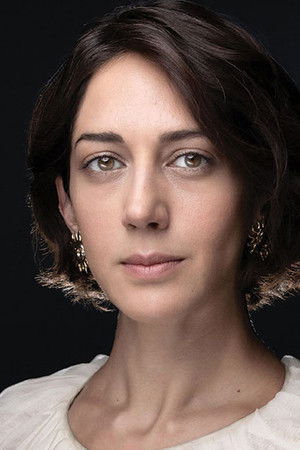
Zar Amir Ebrahimi
Rahimi
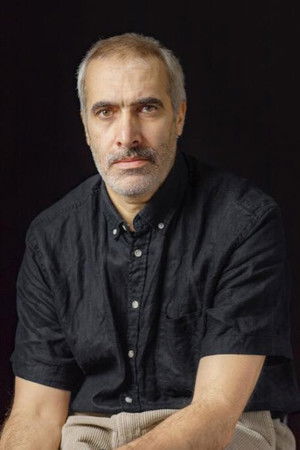
Mehdi Bajestani
Saeed
Arash Ashtiani
Sharifi
Forouzan Jamshidnejad
Fatima
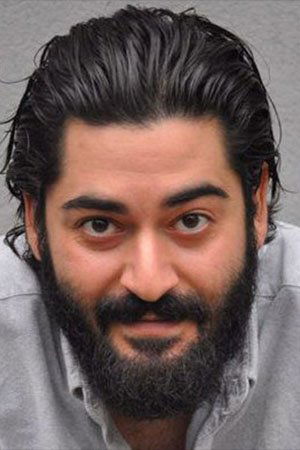
Sina Parvaneh
Rostami
Awards, Festivals & Mentions
-

Winner — Cannes Film Festival Best Actress (Zar Amir Ebrahimi)
-

Winner × 11 — Robert Awards: Robert Award Best Actor in a Supporting Role, Robert Award Best Actress in a Leading Role, Robert Award Best Cinematography, Robert Award Best Danish Film, Robert Award Best Director, Robert Award Best Editing, Robert Award Best Production Design, Robert Award Best Score, Robert Award Best Screenplay, Robert Award Best Sound Design, Robert Award Best Visual Effects
-

Nominee × 4 — European Film Awards: Best Actress, Best Director, Best Film, Best Screenwriter


