
Film
In the Fade
Aus dem Nichts
In Hamburg, Katja's life is shattered when her Kurdish-German husband and young son are killed in a nail-bomb attack carried out by neo-Nazis. As the investigation falters and a courtroom trial fails to deliver the justice she craves, she resolves to pursue retribution on her own terms. Anchored by an intense, award-winning performance from Diane Kruger, Fatih Akin's film is a searing meditation on grief, prejudice, and the limits of the German legal system. It is at once a personal tragedy and a pointed reckoning with the violence of far-right extremism in contemporary Europe.
About
Fatih Akin's In the Fade (Aus dem Nichts) won Diane Kruger the Best Actress prize at Cannes 2017 (Kruger's first major prize in a decade) and the Golden Globe for Best Foreign Language Film in 2018. The film consolidated Akin's continuing engagement with the contemporary Turkish-German experience and the broader political-social pressures on second-generation immigrants in Germany.
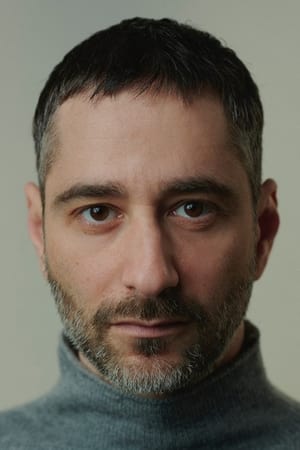
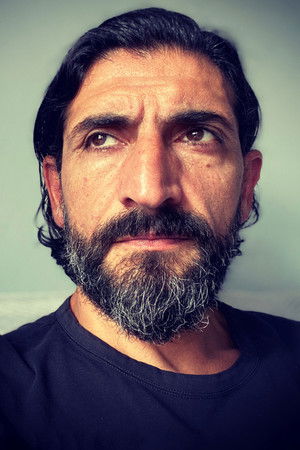
In Hamburg's St. Georg neighbourhood, Katja Sekerci (Kruger) (a German woman married to the Kurdish-German Nuri) has her life shattered when her husband and their young son are killed in a nail-bomb attack at Nuri's small business. The investigation, the prosecution, and the courtroom trial of the suspects (a young neo-Nazi couple identified by the German federal investigations agency) form the second and third acts of the film. Denis Moschitto plays Katja's lawyer Danilo Fava; Numan Acar plays Nuri in flashback sequences.
The film is structured in three formal chapters (The Family, The Trial, and The Sea) each shifting register as Katja moves through different stages of her processing of the loss. The film's release coincided with a continuing public conversation in Germany about the handling of the actual NSU (National Socialist Underground) prosecution that had concluded with disappointing results in 2017; Akin's film became a continuing reference point in that political-cultural conversation.
Where to Watch
Not currently available in your country.
Available in: , , , , , , , , , , , , , , ,


















































Streaming availability via JustWatch. Last checked 2026-09-27.
Top Cast

Diane Kruger
Katja Sekerci
Denis Moschitto
Danilo Fava
Numan Acar
Nuri Sekerci
Johannes Krisch
Habberbeck
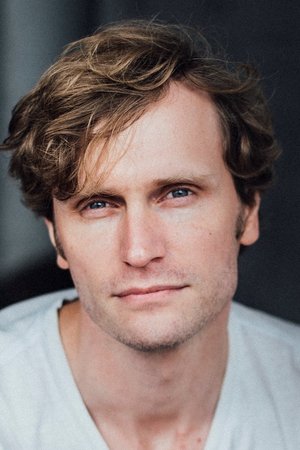
Ulrich Brandhoff
André Möller
Awards, Festivals & Mentions
-

Winner — Cannes Best Actress (Diane Kruger)
-

Winner — Golden Globe Best Foreign Language Film
-

Nominee — European Film Award People's Choice Award
-

Germany's submission for Academy Award Best Foreign Language Film (2017)


