
Film
Minotaur
Minotaure
Gleb, a successful company director, finds his carefully ordered life buckling under mounting corporate pressure and an unstable world. Andrey Zvyagintsev's first feature in nearly a decade reworks Claude Chabrol into a cold study of moral collapse among Russia's elite.
About
Andrey Zvyagintsev's Minotaur is the Russian director's first feature since Loveless (2017), which won the Jury Prize at Cannes and an Oscar nomination for Best International Feature. It was made in exile as a co-production between Latvia, France and Germany, after years in which Zvyagintsev was hospitalised and unable to work, and it premiered in the main competition of the 79th Cannes Film Festival in 2026, where it won the Grand Prix, the festival's second prize.
Loosely reworking Claude Chabrol's La Femme infidèle (1969), the film follows Gleb, a prosperous company director whose carefully ordered existence begins to fracture under corporate and political pressure. Zvyagintsev films the slow unravelling with the glacial precision and architectural framing that have defined his work since The Return: long, cold compositions in which money, status and power curdle into something rotten. Dmitriy Mazurov anchors the film as a man watching his own life slip beyond his control.
Critics greeted it as a return to form, and it holds a 100% score on Rotten Tomatoes; reviewers read it as a scalpel taken to the moral life of contemporary Russian elites. It carries on the anatomy of family and authority that runs through Leviathan and Loveless, and Minotaur shows Zvyagintsev, now working from outside his country's borders, still among its sharpest moral chroniclers.
Top Cast
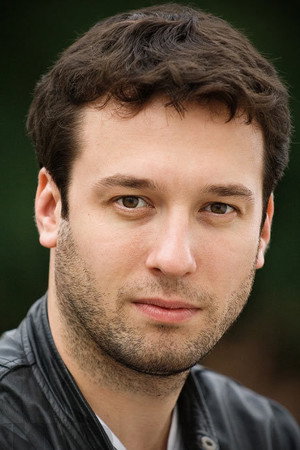
Dmitriy Mazurov
Gleb

Iris Lebedeva
Galina

Varvara Shmykova
Natasha
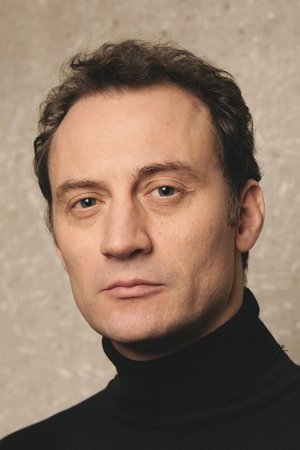
Anatoliy Belyy

Vladimir Friedman
Mayor
Awards, Festivals & Mentions
-
Winner — Cannes Grand Prix (2026)
-
Cannes Film Festival 2026 — In Competition
-

France's submission for Academy Award Best International Feature (2027)





Featured In
- Cannes 2026 Winners List 12 June 2026