
Film
Journey to Italy
Viaggio in Italia
An English couple travel to Naples to sell an inherited villa and find that being together long enough away from home reveals how badly the marriage has aged. Rossellini's most lasting influence on later cinema, Antonioni, the New Wave, all of them owe this film.
About
Roberto Rossellini's Journey to Italy (Viaggio in Italia) opened in 1954 and was widely received with hostility on initial release in both Italy and France. Its critical reputation began to climb only after the French New Wave critics (Jacques Rivette, François Truffaut, Jean-Luc Godard) championed it across the Cahiers du Cinéma reviews of the late 1950s. The film entered the Sight & Sound poll's upper tier in 2022 and is widely cited as foundational to what would become European modernist cinema.
An English upper-middle-class couple, Katherine and Alex Joyce (Ingrid Bergman and George Sanders), travel to Naples to sell a villa Alex has inherited from a recently deceased uncle. The film follows them across approximately a week in the Bay of Naples, visits to Pompeii's archaeological excavations, day trips to the Cuma sibyl's cave and the Solfatara volcanic vents, the slow recognition (across long static frames and unspoken passages of separation) that being away from home together for an extended period has revealed how unhappy their marriage has become.
The film operates in a register that European cinema had not previously sustained, long-take observational realism applied to bourgeois interior emotion, with documentary-style location shooting integrated into the dramatic structure. Rivette would later write that the entire post-war French film tradition could be retroactively traced through this single film. The closing minutes are among the most-debated endings in any 1950s European production.
Where to Watch
Not currently available in your country.
Available in: , , , , , , , , , , ,

























Streaming availability via JustWatch. Last checked 2026-09-27.
Top Cast
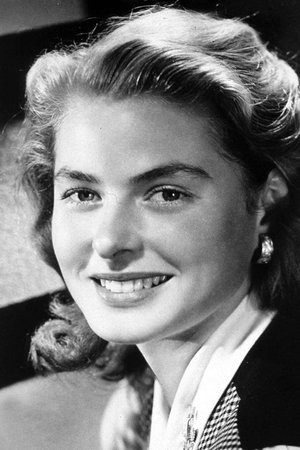
Ingrid Bergman
Katherine Joyce
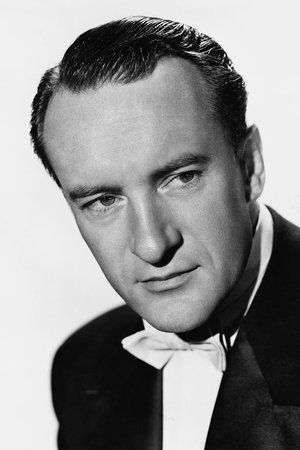
George Sanders
Alex Joyce

Maria Mauban
Marie
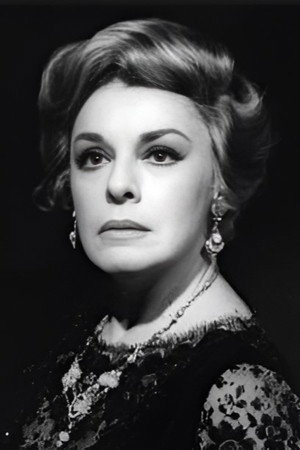
Anna Proclemer
Prostitute
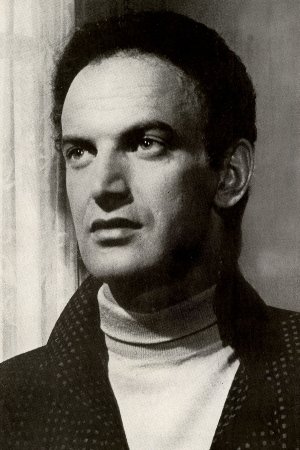
Paul Müller
Paul Dupont
Awards, Festivals & Mentions
-

Sight & Sound 250 Greatest Films


