
Film★ Editor's Pick
Rome, Open City
Roma città aperta
Shot on the streets of Rome just weeks after the Nazi withdrawal, the film follows a Communist resistance leader and a Catholic priest whose fates become intertwined as the Gestapo tightens its grip on the occupied city. Rossellini wove documentary rawness with shattering human drama, producing a film that announced postwar Italian cinema to the world. Its climactic execution sequence remains one of the most morally powerful moments in cinema history.
About
Roberto Rossellini's Rome, Open City was shot on the streets of Rome between January and June 1945, with the war in Europe still ongoing, the Allied liberation of Rome had occurred only eight months earlier. Rossellini scrounged unexposed film stock from amateurs and from American GIs; some scenes were shot with the camera hidden because Rome's streets were still patrolled by uncertain authorities. The film won the Grand Prix at the inaugural Cannes Festival in 1946 and is the foundational text of Italian neorealism.
The story interweaves two strands of resistance against the German occupation: the Communist organiser Giorgio Manfredi (Marcello Pagliero) and the Catholic priest Don Pietro Pellegrini (Aldo Fabrizi, the only major professional in the cast). Anna Magnani plays Pina, fiancée of a print-shop owner involved with the resistance; her death, machine-gunned in the street as she runs after the truck taking her arrested fiancé, is one of the most famous shots in the history of cinema. Rossellini cast non-professionals in most of the supporting roles; the priest's children are real Roman street-kids.
The film established the neorealist programme: location shooting, non-professional cast, contemporary subjects, refusal of conventional narrative comforts. Truffaut, Chris Marker, Pier Paolo Pasolini and the Iranian New Wave all traced their lineages partly through this single film. Despite its specific historical anchor, the moral force of Rome, Open City has not weakened.
Why it's an Editor's Pick: The film that founded post-war European cinema, made while the war was still happening. Magnani's death scene alone is part of the language of the medium.
Where to Watch
Not currently available in your country.
Available in: , , , , , , , , , , , , , , , ,
























Streaming availability via JustWatch. Last checked 2026-10-11.
Top Cast
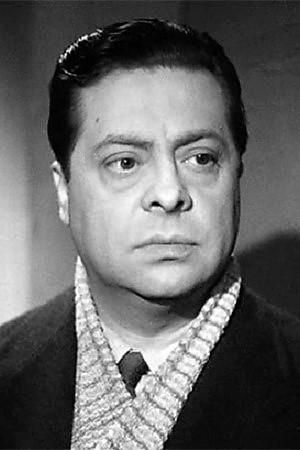
Aldo Fabrizi
Don Pietro Pellegrini
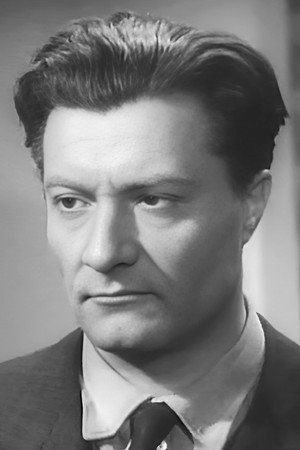
Marcello Pagliero
Giorgio Manfredi aka Luigi Ferraris
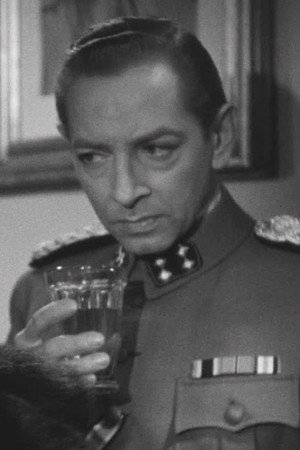
Harry Feist
Major Fritz Bergmann
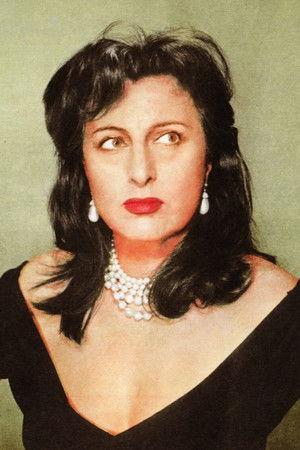
Anna Magnani
Pina

Maria Michi
Marina Mari
Awards, Festivals & Mentions
-

Winner — Cannes Palme d'Or
-

Nominee — Academy Award Best Adapted Screenplay


In these collections
Featured In
- 10 Must-Watch European War Films 9 June 2026
- 10 Must-Watch Italian Films 11 May 2026