
Film
Life Is Beautiful
La vita è bella
Guido, a charming and irrepressibly optimistic Jewish Italian man, wins the heart of a beautiful woman and starts a family in 1930s Tuscany. When the family is deported to a Nazi concentration camp, Guido uses his boundless imagination and humor to shield his young son from the horrific reality around them, convincing the boy it is all an elaborate game with a tank as the grand prize. An emotionally shattering blend of comedy and tragedy, the film is a testament to love and the human will to protect innocence.
About
Roberto Benigni's Life Is Beautiful (La vita è bella) won the Grand Prix at Cannes 1998 and the Academy Award for Best Foreign Language Film at the 71st Academy Awards in 1999, alongside Best Actor (Benigni) and Best Original Dramatic Score (Nicola Piovani). Benigni's lead-acting Oscar made him the first man ever to win the Academy Award for Best Actor for a non-English-speaking performance. The film became one of the most internationally consequential pieces of post-war Italian-Jewish cinema and one of the most-debated Holocaust films of any decade.
Guido Orefice (Benigni), a charming and irrepressibly optimistic Jewish-Italian man working as a waiter in a small Tuscan town in the late 1930s, falls in love with the schoolteacher Dora (Nicoletta Braschi, Benigni's real-life wife). The first half of the film follows their courtship, marriage and the early years of their family life with their young son Giosuè (Giorgio Cantarini). The second half, after the family's deportation to a Nazi concentration camp during the late-war German occupation of Italy, follows Guido's attempt to shield his small son from the actual horror of their environment.
The film's central structural commitment (to combining broad commedia-italiana physical comedy with one of the most morally serious historical subjects in twentieth-century European history) produced one of the most-debated works in contemporary cinema. Critical reception has been sharply divided in different periods; the film's continuing reach in international family-viewing audiences has been substantial. Piovani's score, the central performances of Benigni and Cantarini, and the sustained tonal commitment all anchor the film's continuing reception.
Where to Watch
Not currently available in your country.
Available in: , , , , , , , , , , , , , , ,


































Streaming availability via JustWatch. Last checked 2026-10-11.
Top Cast

Roberto Benigni
Guido
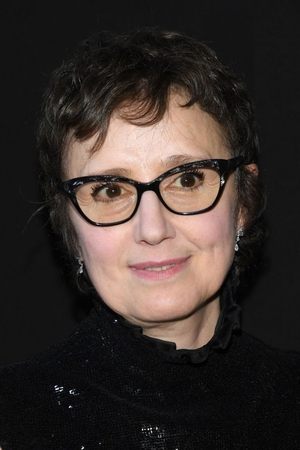
Nicoletta Braschi
Dora

Giorgio Cantarini
Giosué
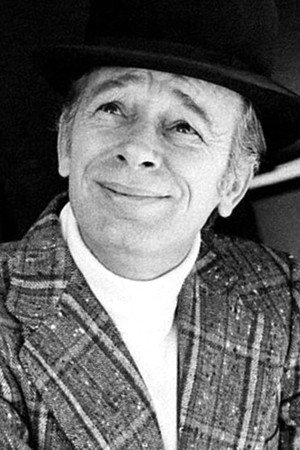
Giustino Durano
Zio

Sergio Bini Bustric
Ferruccio
Awards, Festivals & Mentions
-

Winner × 2 — Cannes prizes: Grand Prix, Grand Prix
-

Winner × 5 — Oscars: Best Foreign Language Film, Best Actor (Roberto Benigni), Best Original Dramatic Score, Best Actor, Best International Feature Film
-

Winner — BAFTA Award Best Film Not in the English Language
-

Winner — César Best Foreign Film
-
Winner — David di Donatello Best Film
-

Winner × 2 — European Film Awards: Best Actor, Best Film
-
Nominee × 4 — Oscars: Best Director, Best Film Editing, Best Picture, Best Original Screenplay
-
Nominee — David di Donatello Best Director


In these collections
Featured In
- 10 Must-Watch European Comedies 22 May 2026
- 10 Must-Watch Italian Films 11 May 2026