A second Palme for Mungiu, a Grand Prix for Zvyagintsev in exile, Pawlikowski tied for Best Director, and a first-ever Caméra d'Or for a Rwandan filmmaker — the 79th Cannes was a jury verdict on what European cinema is for.
The 79th Cannes Film Festival, held in May 2026 under the presidency of Juliette Binoche, delivered one of the strongest competition slates in recent memory and a prize list that doubled as an argument. Cristian Mungiu won his second Palme d'Or, twenty years after 4 Months, 3 Weeks and 2 Days, with Fjord — a Romanian–Scandinavian co-production shot in four languages that also took the FIPRESCI prize, the Ecumenical Jury award, the François Chalais prize and the Citizenship prize. No other film at the festival was decorated so heavily; it also gave Renate Reinsve her first lead for a director outside Norway, three years after The Worst Person in the World (see our 5 Must-Watch Renate Reinsve Films). The Grand Prix went to Andrey Zvyagintsev for Minotaur, his first feature since Loveless (2017) and his first made entirely in exile.
Best Director was shared, and the pairing said something on its own: Paweł Pawlikowski returned to the Croisette with Fatherland, a monochrome two-hander on Thomas and Erika Mann driving across the rubble of 1949 Germany; alongside him stood the Spanish duo Los Javis (Javier Ambrossi and Javier Calvo), whose feature debut The Black Ball — adapted from one of Federico García Lorca's last, unfinished works — drew a twenty-minute ovation. Valeska Grisebach won the Jury Prize for The Dreamed Adventure, her first film since Western (2017). And Lukas Dhont — already a Cannes regular off Girl and Close — returned with Coward, a First World War drama whose two young leads, Valentin Campagne and Emmanuel Macchia, shared the Best Actor prize. The Belgian wave the festival has been quietly building since the early Dardennes years continues to crest.
The acting prizes ran across borders. Virginie Efira and Tao Okamoto shared Best Actress for Ryusuke Hamaguchi's first French-language film, All of a Sudden — a Japan–France–Belgium–Germany co-production whose Cannes recognition felt like the festival's own argument for how borderless European art-house has become. Best Screenplay went to Belgian director Emmanuel Marre for A Man of His Time, his solo feature debut and a study of one minor functionary's drift into Vichy collaboration. And the Caméra d'Or — the prize awarded to the best first feature across all sections — was won by Ben'Imana, the debut of Marie-Clémentine Dusabejambo, the first film by a Rwandan director ever selected in Cannes' official selection. Below, all ten prize winners, in the order the jury announced them.
Palme d'Or
Fjord, Cristian Mungiu
Romania · Norway · France · Denmark · Finland · Sweden
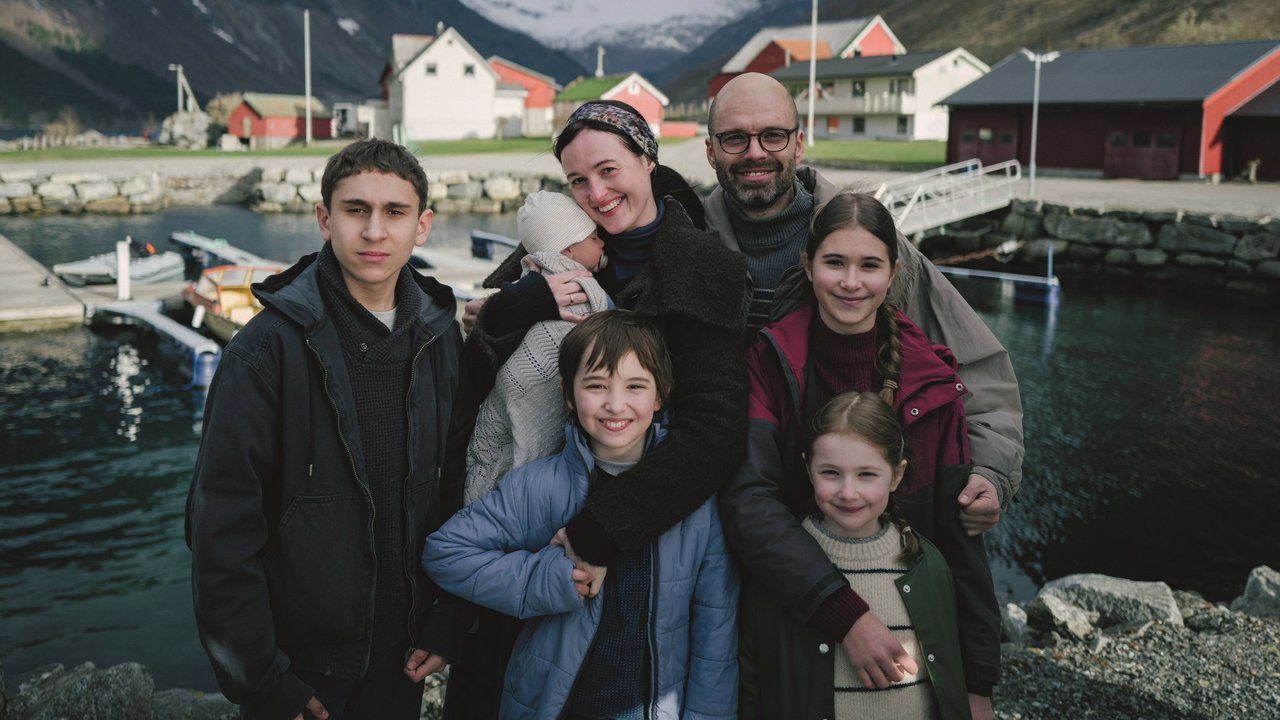
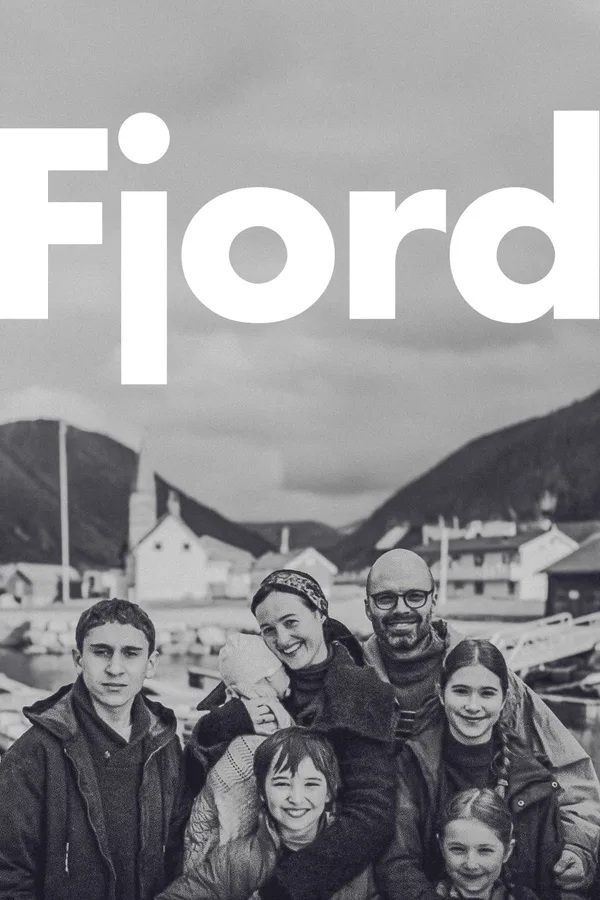
Cristian Mungiu's eighth feature gave him his second Palme d'Or, two decades after 4 Months, 3 Weeks and 2 Days. Fjord is a four-language film — English, Romanian, Norwegian, Swedish — starring Sebastian Stan as a Romanian doctor and Renate Reinsve as his Norwegian wife, who leave Bucharest with their two children to resettle in her remote home village on the Norwegian coast. What begins as a fresh start tilts gradually into something else as the couple's parenting choices draw the attention of the school, social services and finally the law. Mungiu builds it in the long-take, scene-as-argument register that has defined the New Romanian Wave since the mid-2000s.
The Cannes haul was extraordinary: the Palme, the FIPRESCI critics' prize, the Prize of the Ecumenical Jury, the François Chalais prize and the Citizenship prize. A faction of the festival press accused the film of moral pre-loading; Juliette Binoche's jury answered with the top prize and most of the parallel awards. Subsequent reviews from Sight and Sound, The Guardian and Cahiers du cinéma placed it among Mungiu's finest work, comparable to 4 Months in formal control and in its refusal to settle the moral question on the viewer's behalf. The supporting ensemble — Lisa Carlehed, Ellen Dorrit Petersen, Lisa Loven Kongsli — anchors the village world that surrounds and eventually circles the family.
Grand Prix
Minotaur, Andrey Zvyagintsev
France · Latvia · Germany
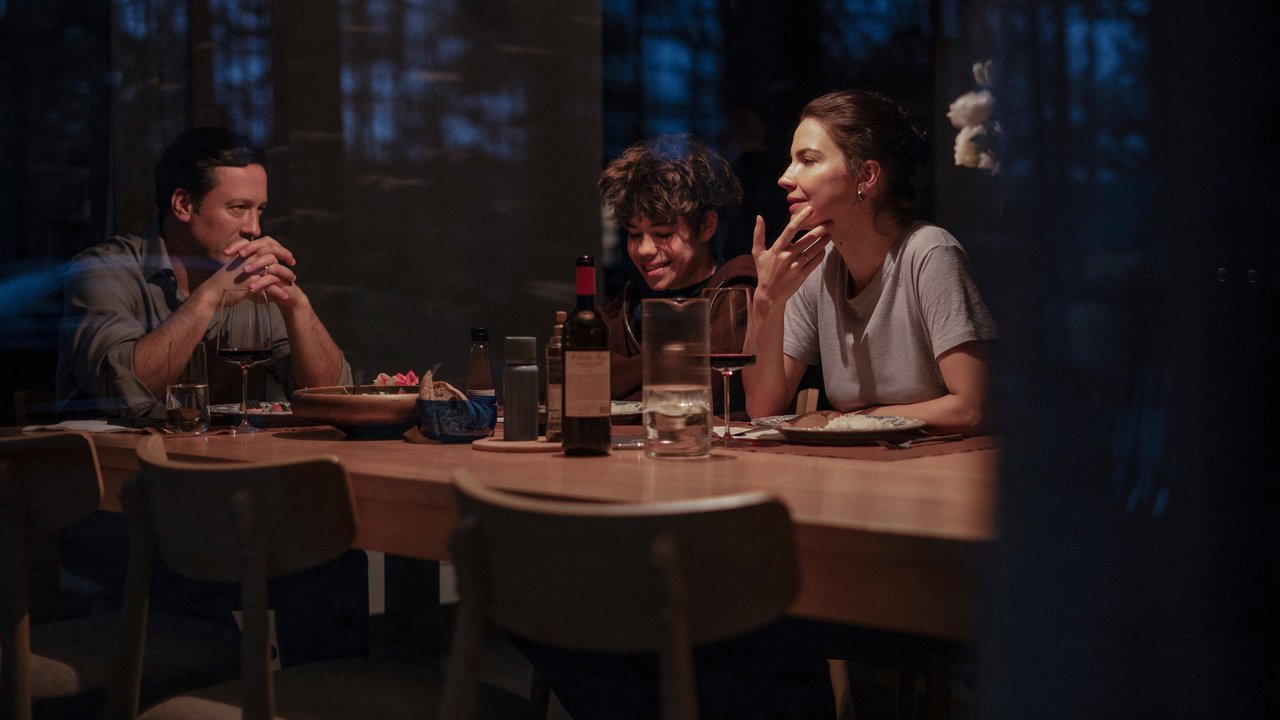
Andrey Zvyagintsev had not released a feature since Loveless won the Jury Prize at Cannes in 2017. The intervening years took him into hospital and out of Russia: Minotaur is the first film he has made entirely in exile, a Latvia–France–Germany co-production shot in Russian and loosely reworking Claude Chabrol's La Femme infidèle (1969). It centres on Gleb, a prosperous company director played by Dmitriy Mazurov, whose meticulously ordered life begins to fracture under corporate pressure and the unsteadiness of the world around him.
The Cannes Grand Prix, the festival's second prize, doubled as a public statement: the institution welcoming a dissident Russian auteur back into competition and standing behind him. Zvyagintsev films the slow unravelling with the glacial precision and architectural framing that has been his signature since The Return — long, cold compositions in which money and status curdle into something rotten. The film holds a 100% score on Rotten Tomatoes and was read by critics as a scalpel taken to the moral life of contemporary Russian elites. Continuing the anatomy of family and authority that runs through Leviathan and Loveless, it confirms Zvyagintsev as one of the essential moral chroniclers of his country, working now from outside its borders.
Best Director (tied)
Javier Calvo and Javier Ambrossi, The Black Ball
Spain · France
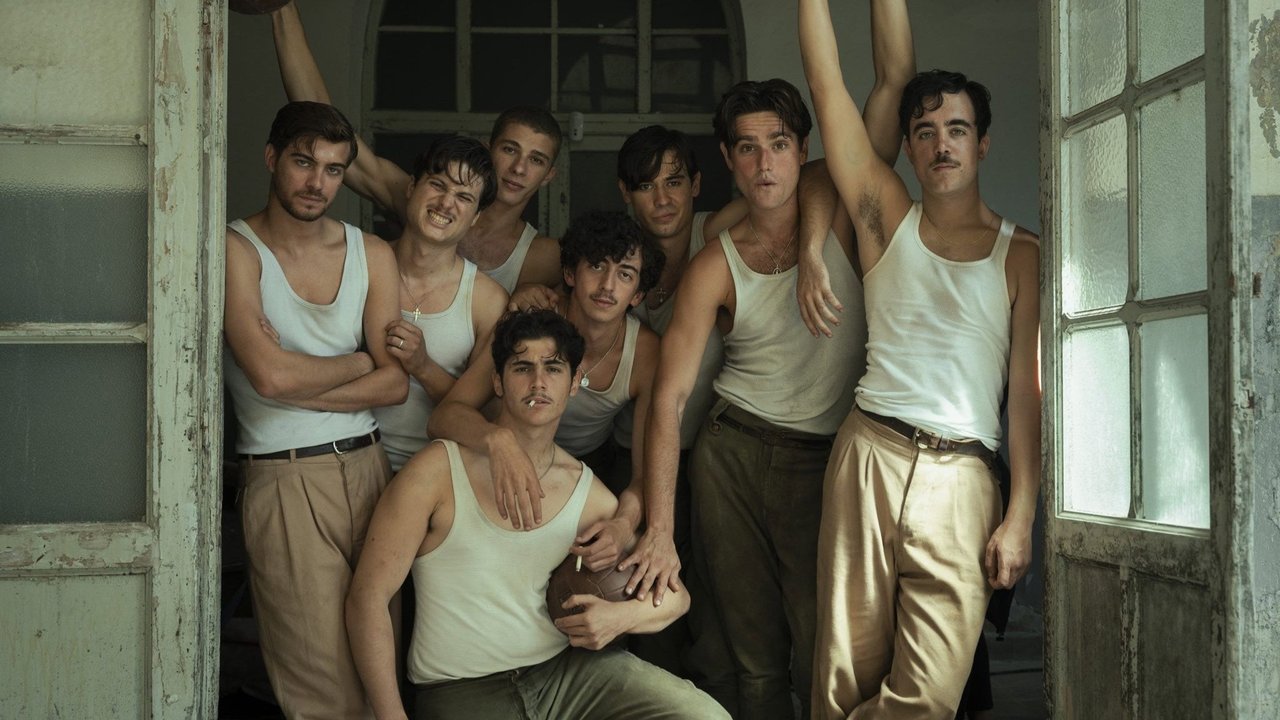
Javier Ambrossi and Javier Calvo — Los Javis, the duo behind the cult musical La llamada and the series Paquita Salas, Veneno and La Mesías — built their reputation on Spanish television. The Black Ball is their feature film proper, and it arrived at Cannes 2026 with extraordinary momentum: a Best Director prize shared with Pawlikowski, and a premiere ovation reported at twenty minutes. The film takes its title and impulse from La bola negra, one of Federico García Lorca's last, unfinished projects, and braids three lives across different eras of Spanish history, including the long shadow of the Franco years.
Sexuality, desire, pain and inheritance pass between the stories like a current. The cast moves from the singer Guitarricadelafuente and Miguel Bernardeau to Lola Dueñas and Penélope Cruz, and the directors fold in musical passages — most famously a use of the old standard "Soldadito español" — that mark the film as unmistakably theirs. For a debut feature, the ambition is considerable: a queer reckoning with national memory mounted on a grand canvas. The Cannes award, and the heat around the premiere, positioned The Black Ball as one of the boldest Spanish films in years and confirmed Los Javis as authors able to carry their flamboyant television sensibility onto the largest stage in world cinema.
Best Director (tied)
Paweł Pawlikowski, Fatherland
Poland · Germany · France · Italy
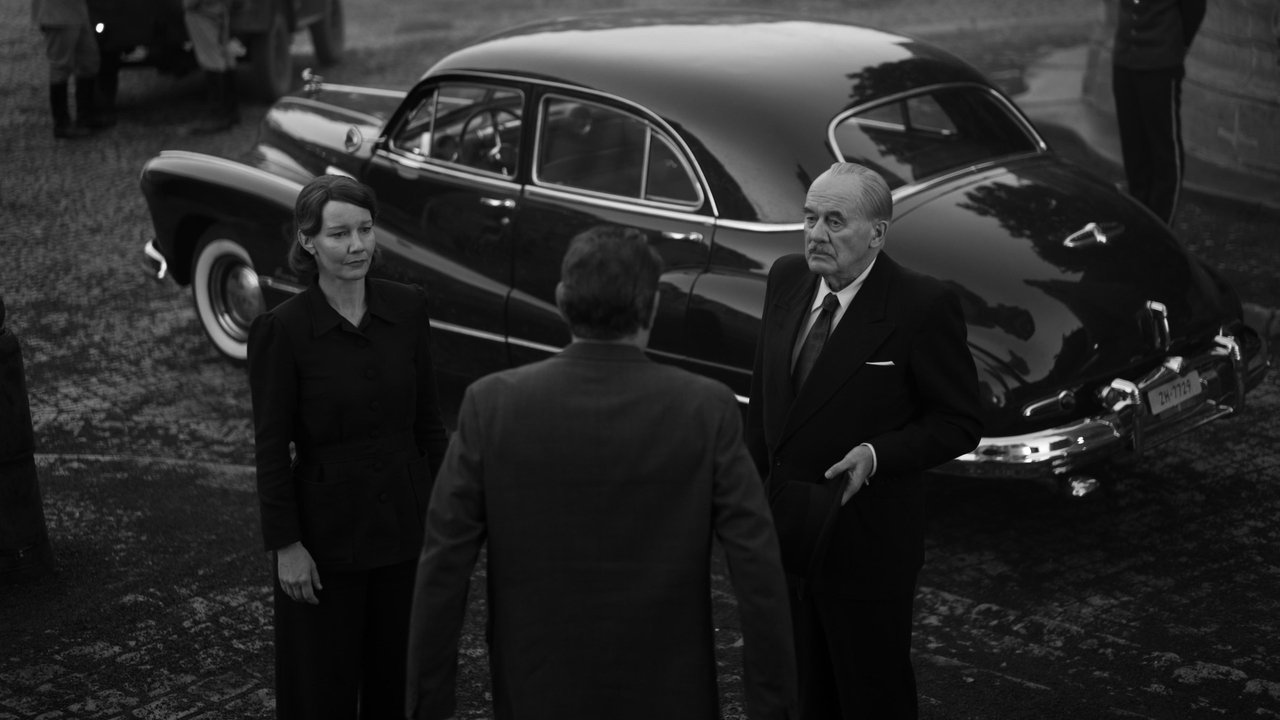
Paweł Pawlikowski is among the most decorated European directors alive: Ida (2013) won the Academy Award for Best Foreign Language Film, and Cold War (2018) brought him the Best Director prize at Cannes. Fatherland returned him to the Croisette and brought him a second Cannes Best Director award, this time shared with Los Javis. Set in 1949, the film follows the Nobel laureate Thomas Mann and his daughter Erika — actress, essayist and one-time rally driver — as they drive a black Buick across a Germany still in ruins, from the American-occupied west to Soviet-controlled Weimar.
Sandra Hüller plays Erika opposite Hanns Zischler's Thomas in what is essentially a two-hander, and Pawlikowski shoots it in the spare, luminous monochrome and elliptical compression that defined Ida and Cold War. At a taut 82 minutes, it distils a continent's reckoning into a single journey. Critics greeted it as a return to his finest form, and Mubi took the film internationally. The pairing with Los Javis for the directing prize made the point on its own: the jury reaching simultaneously for the most controlled and the most exuberant film-making in competition, and refusing to choose. Threading identity, family, love and guilt through the rubble of post-war Europe, Fatherland sits naturally alongside Ida and Cold War as another exquisitely controlled meditation on history's weight on private lives.
Jury Prize
The Dreamed Adventure, Valeska Grisebach
Germany · France · Austria · Bulgaria
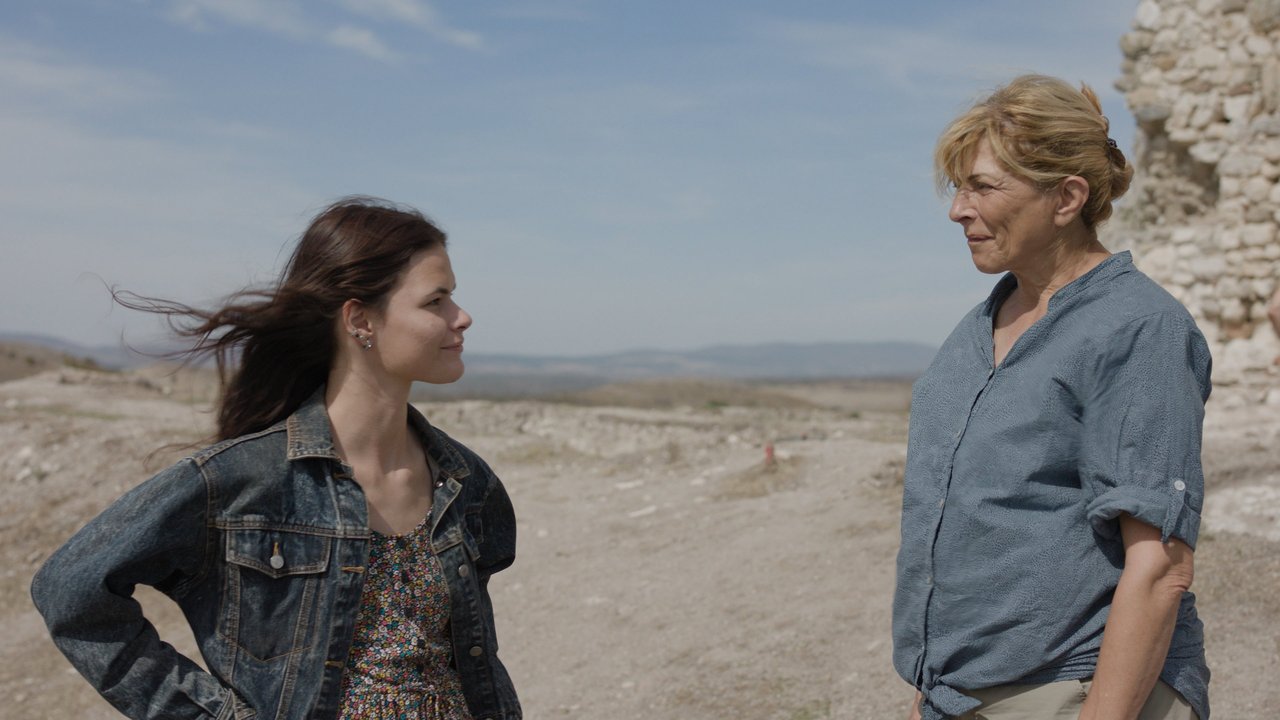
Valeska Grisebach is one of the central figures of the Berlin School, the loose movement of rigorous German realists that also includes Christian Petzold and Maren Ade. The Dreamed Adventure is her first feature since Western (2017), a near-decade gap that made its arrival in the main competition an event in itself, and her first time competing for the Palme d'Or. The Jury Prize confirmed the welcome. The film unfolds in a town on Bulgaria's south-eastern border, where Veska, an archaeologist, becomes entangled with an old acquaintance and, through him, with a smuggling scheme that edges into contested and dangerous territory.
As in Western, Grisebach works at the frontier of Europe with a cast of non-professionals — Yana Radeva and Syuleyman Alilov Letifov at the centre — and builds tension out of glances, silences and the slow accretion of trust and risk rather than incident. The result is a restrained, watchful film noir that withholds as much as it reveals. Critics read the film as a deliberate dismantling of the neo-noir blueprint, swapping genre momentum for the ethnographic patience that is Grisebach's hallmark. From a director who releases work only rarely, and who has shaped a generation of European realism, it was among the most discussed titles of the festival — proof that her unhurried method has lost none of its quiet force.
Best Actress (shared)
Virginie Efira and Tao Okamoto for All of a Sudden
Japan · France · Belgium · Germany
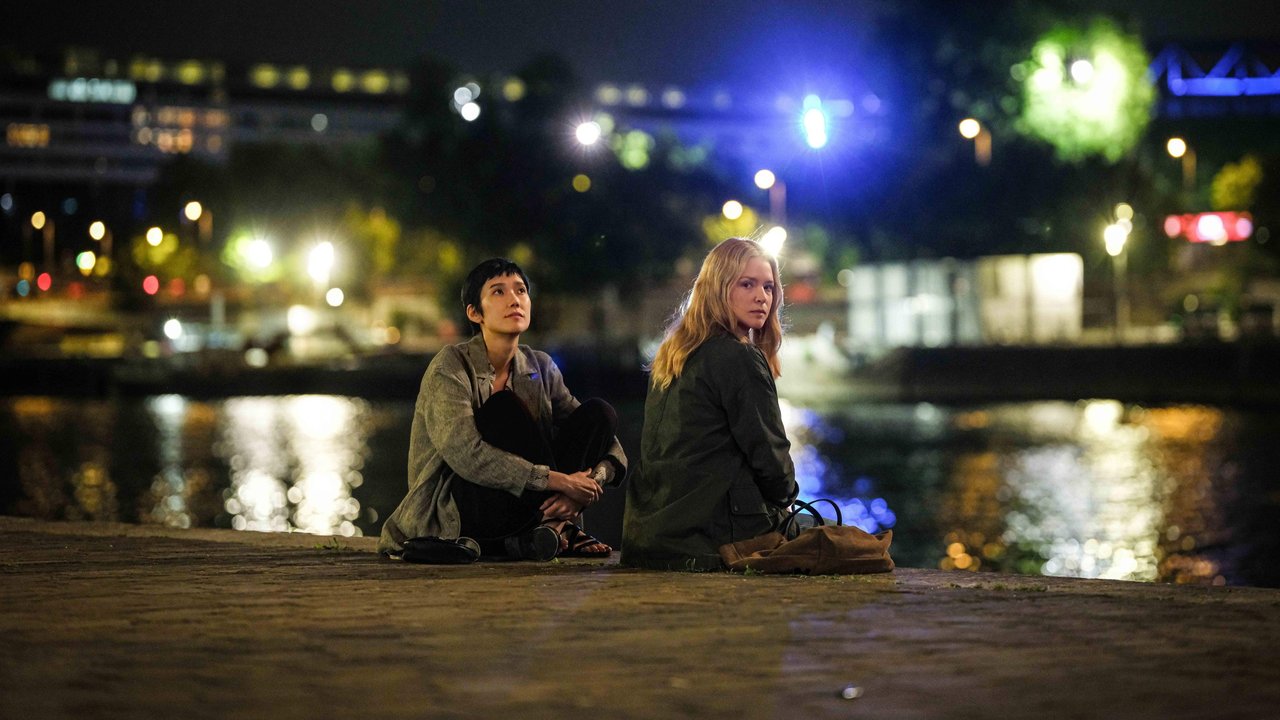
Ryusuke Hamaguchi is among the most garlanded filmmakers of his generation: Drive My Car (2021) won the Academy Award for Best International Feature and a Cannes screenplay prize, and Happy Hour and Evil Does Not Exist cemented his standing. All of a Sudden — French title Soudain — is his first film made in France, a Japan–France–Belgium–Germany co-production. It centres on Marie-Lou Fontaine, who runs a nursing home in the Paris suburbs and insists, against her colleagues' resistance, on the tender "Humanitude" method of care; her friendship with Mari Morisaki, a terminally ill Japanese playwright, reshapes her sense of her work and herself.
Across 196 minutes and two languages, Hamaguchi applies his signature long, conversational scenes to questions of dignity, attention and mortality, scored by Samuel Andreyev and adapted from a book by Makiko Miyano and Maho Isono drawn from a real correspondence. The film holds a 91% score on Rotten Tomatoes, and the Best Actress prize — split between Efira (a Belgian-French actress now in her career's strongest stretch) and Okamoto — felt fitting: this is a film built around a friendship, and the jury declined to break it apart. That a Japanese director should win Best Actress for two performances in a largely French-language film speaks to the borderless, deeply attentive cinema Hamaguchi has come to represent, and to Cannes' role in keeping that internationalism alive.
Best Actor (shared)
Emmanuel Macchia and Valentin Campagne for Coward
Belgium · France · Netherlands
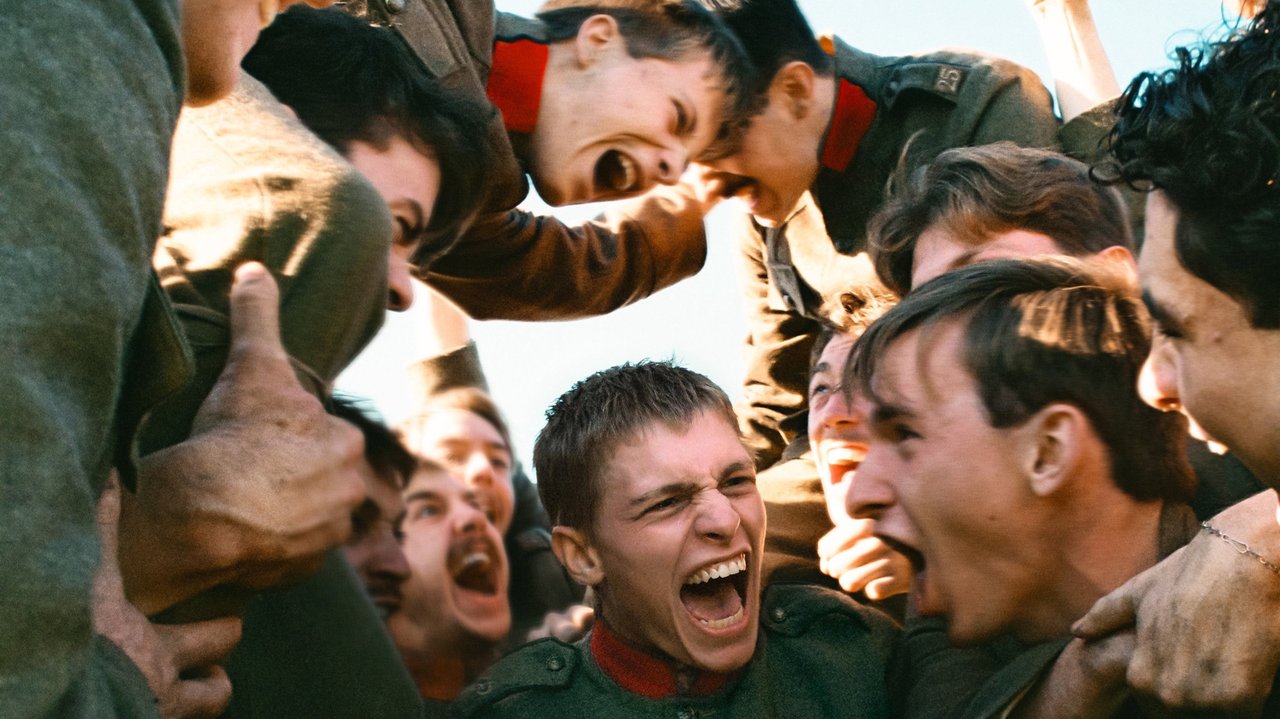
Lukas Dhont's third feature follows Girl (2018) and Close (2022), the latter of which won the Grand Prix at Cannes. Coward is a Belgian–French–Dutch co-production set at the height of the First World War, and follows Pierre — a soldier newly arrived at the front and eager to prove himself — who meets Francis, a comrade trying to lift the men's spirits by staging a theatre show behind the lines. Around the violence of the trenches, Dhont builds a study of fear, tenderness and the fragile intimacies that form between men under unbearable pressure.
The Best Actor prize, shared between Valentin Campagne and Emmanuel Macchia, recognised what Dhont has always extracted from his young leads: the breath-on-skin closeness of two faces learning, in real time, to trust each other. The handheld camerawork and the largely young, partly non-professional ensemble give the film the texture that has become his signature. Co-written again with Angelo Tijssens, Coward extends the preoccupations of Close — masculinity, emotional repression, the cost of conformity — onto a far larger historical canvas. Mubi acquired the film for much of the world, and the Cannes premiere drew a long standing ovation. For a director still in his thirties, it confirms a body of work unusually devoted to the inner lives of boys and men, and to the question of what it costs them to feel.
Best Screenplay
Emmanuel Marre for A Man of His Time
Belgium · France
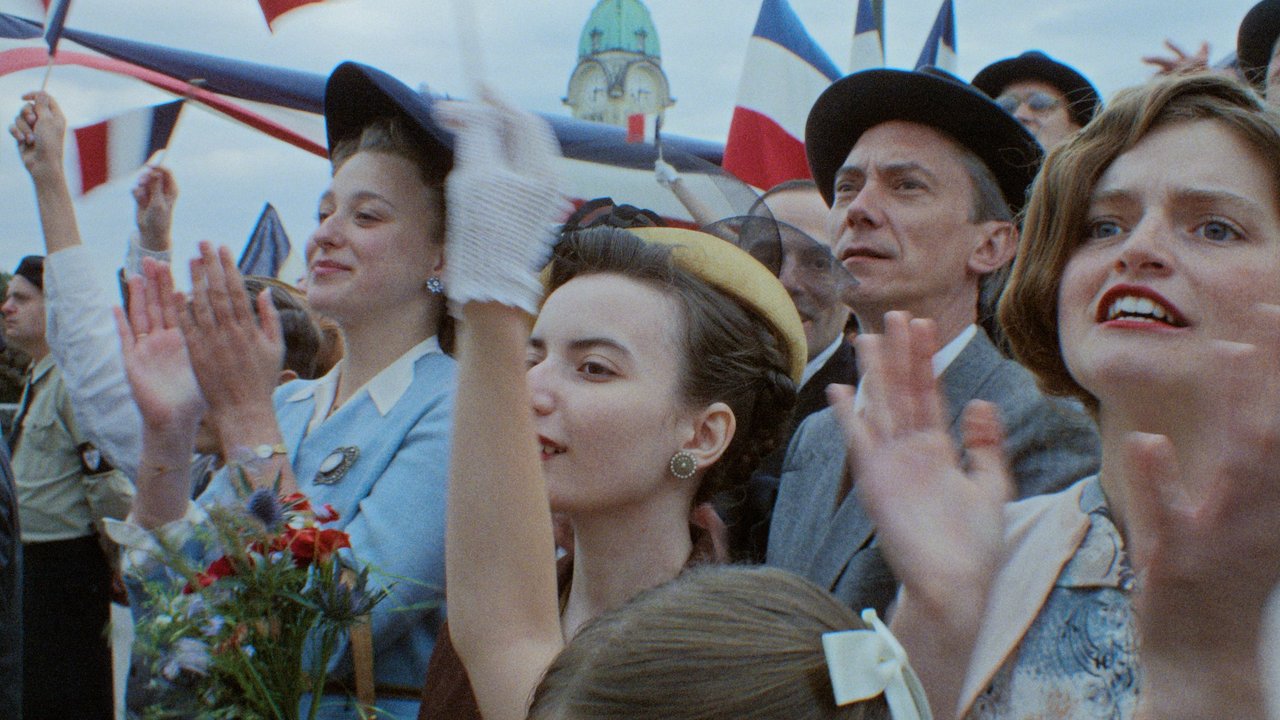
Emmanuel Marre had previously co-directed the well-received Zero Fucks Given (2021) with Julie Lecoustre; A Man of His Time — French title Notre salut — is his most ambitious solo feature, a 155-minute French–Belgian production that reaches into one of the most uncomfortable corners of twentieth-century French history. The film follows Henri Marre, a man of forty-nine who arrives in Vichy with no money and no connections, carrying a self-published political treatise in which he sets out his patriotic convictions and his engineer's certainties. He sees in the collaborationist administration the chance to become, at last, someone who matters.
Swann Arlaud plays him without caricature or exculpation, and Marre stages the period not as costume spectacle but as a study of ordinary ambition curdling into complicity. By focusing on a minor functionary rather than the architects of the regime, the film joins a French lineage — from Lacombe, Lucien onward — that examines collaboration through small, recognisable men. The Cannes reception was strong: alongside the Best Screenplay prize the film collected the Art et Essai award and a technical citation. Restrained, lucid and quietly damning, it confirms Marre as one of the more serious new voices in Francophone cinema, and the screenplay prize as a vote for what European film at its best still does — take the historically embarrassing seriously, without ever flattering it.
Caméra d'Or
Ben'Imana, Marie-Clémentine Dusabejambo
Rwanda · France · Norway · Gabon
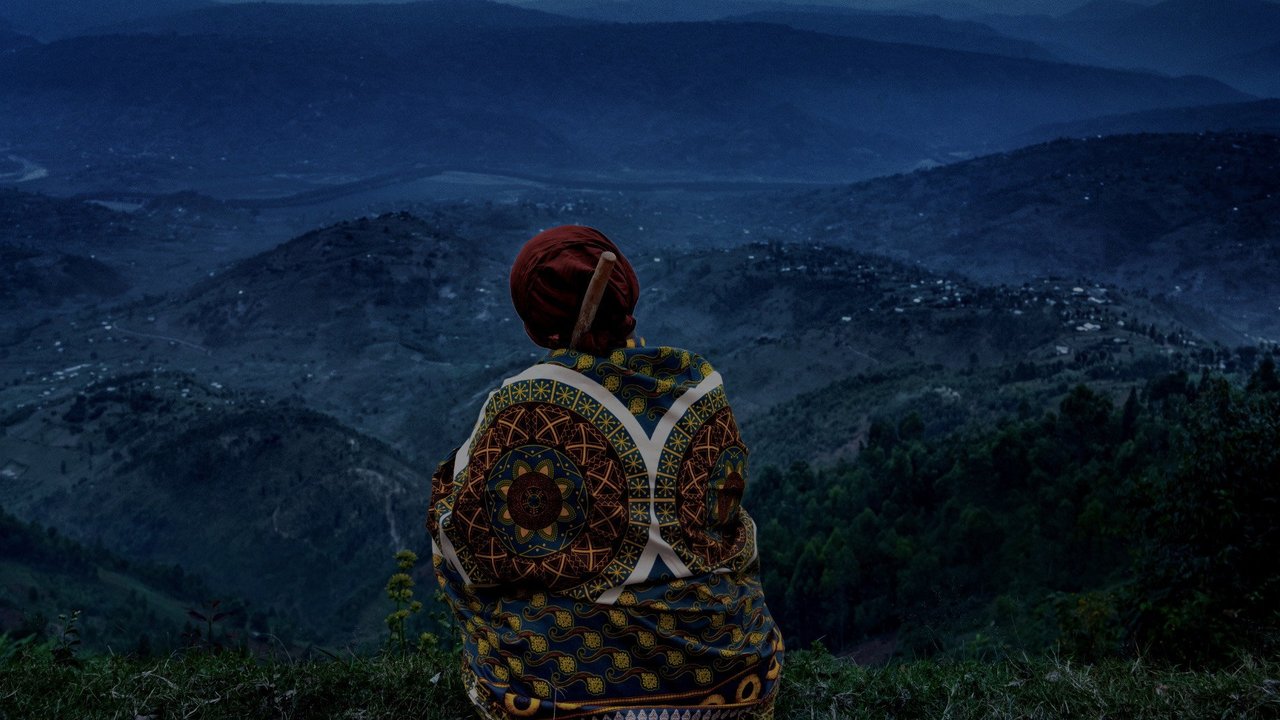
Ben'Imana is the debut feature of Marie-Clémentine Dusabejambo, and a landmark for Rwandan cinema: the first film by a Rwandan director ever selected for the official selection at Cannes. It premiered in Un Certain Regard and won the Caméra d'Or, the prize awarded to the best first film across all sections of the festival. A Rwanda–France–Norway co-production with Gabonese participation, it was written by Dusabejambo with Delphine Agut. Set in 2012, the film centres on Vénéranda, a survivor of the 1994 genocide against the Tutsi, who works within the community-led justice and reconciliation processes that sought to rebuild the country.
As pressures mount in that work, a crisis inside her own family forces her to test the limits of forgiveness and belief. Dusabejambo draws restrained, lived-in performances from a largely non-professional cast, and approaches an almost unbearable subject with patience rather than spectacle. Critics received it as one of the genuine discoveries of the festival; it holds a 100% score on Rotten Tomatoes, and MK2 took on international sales. By locating the aftermath of catastrophe in the texture of ordinary lives and choices, Ben'Imana announces a major new voice and extends the global conversation about how a society lives on after genocide. Of all this year's winners, it is the one whose prize most felt like the festival reaching for the future.
Short Film Palme d'Or
For The Opponents, Federico Luis
Argentina
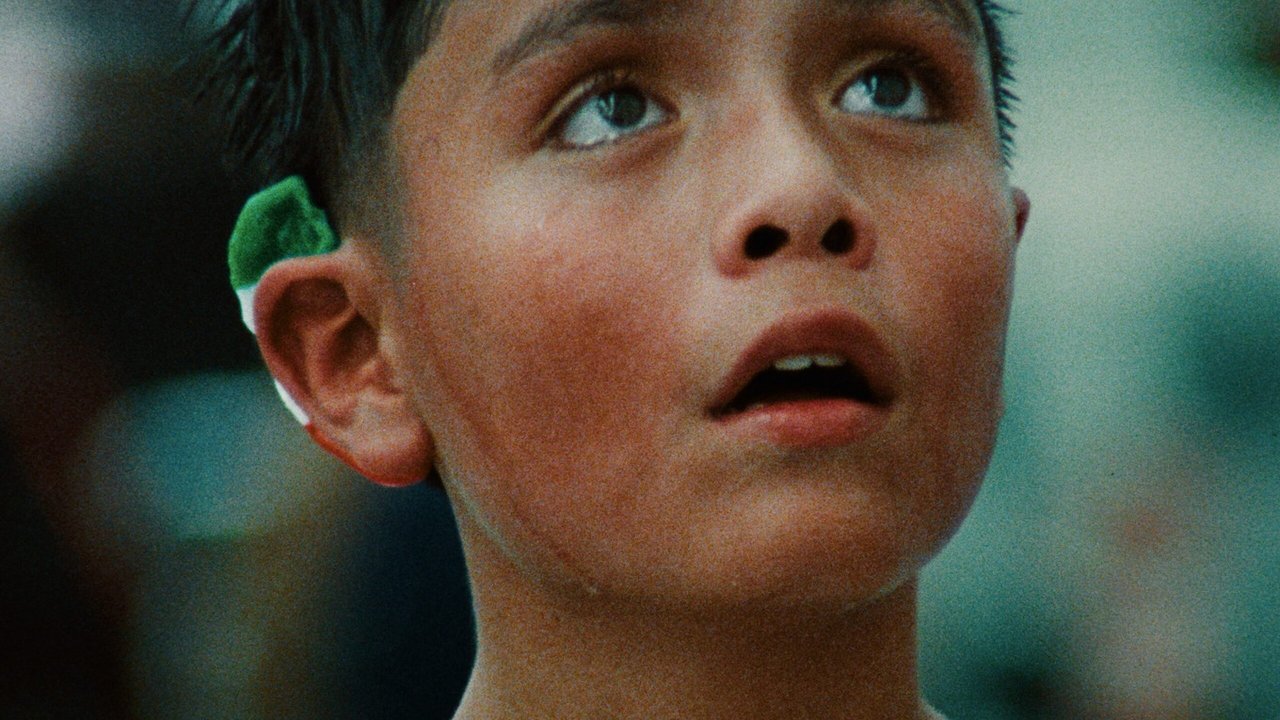
An honest aside: For The Opponents sits outside European Screen's remit. It is an Argentine short, below our sixty-minute feature threshold and outside our continental scope, and so it won't appear elsewhere in the catalogue. We include it here for completeness, because this is a Cannes 2026 prize recap and the Short Film Palme d'Or belongs in it. Federico Luis is not new to the festival circuit: his feature debut Simón of the Mountain won the Critics' Week grand prize at Cannes in 2024 and a Venice Horizons special mention the same year.
The short continues the textural, low-key realism that has marked his work, and its win marks one of the strongest years in some time for Latin American cinema on the Croisette. We mention it here in the spirit in which the Cannes jury awarded it — alongside the features rather than apart from them — and trust regular readers to follow it up at home. The fact that the Short Film Palme went south of the equator, while every other competitive prize stayed in Europe (or in European co-productions), is itself part of the year's story.
What the 2026 Jury Was Telling Us
The jury's pattern is hard to miss. Mungiu, Zvyagintsev, Pawlikowski, Grisebach, Dhont, Marre, Dusabejambo: nearly every prize went to a director whose previous work the festival had already canonised, or, in Dusabejambo's case, to a national cinema that had never been visible at this level. The 2026 Cannes was not a coming-out party for new voices so much as a confirmation that the auteurs the festival raised in the 2010s have entered their mature decade and are still operating at the top of their craft. Mungiu's second Palme, Pawlikowski's second directing prize and Zvyagintsev's Grand Prix all read the same way.
The political weather was also legible. Zvyagintsev's return from forced absence; Mungiu's film on the gap between professed and actual tolerance in a small European community; Marre's anatomy of Vichy collaboration; Dusabejambo's Rwandan reckoning. None of these are subtle subjects, and none were handled subtly by the jury. Across borders, the prizes added up to a statement about what European cinema is for: a slow, patient, watchful art that takes the political seriously without becoming pamphlet. The Belgian wave continued (Dhont and Marre between them took three prizes); the Berlin School reasserted itself (Grisebach); Spanish cinema announced a new generation that can carry both television flamboyance and Lorca-weight gravity on the same canvas (Los Javis).
And then, quietly, the Caméra d'Or to Ben'Imana — a first feature from a country that had never had a film in the official selection — pointed at where European cinema might be heading next: outward, into co-productions with the global south, into stories the continent doesn't have on its own. The jury, as juries do, told us where it thought the form was alive.
For a wider view of the year that produced these films, see our companion round-ups: the 10 Must-Watch European Films of 2025 and the just-published 10 Must-Watch European Films of 2024. And for the national contexts behind two of this year's winners, our 10 Must-Watch Polish Films sits naturally alongside Pawlikowski, while 10 Must-Watch German Films of 2025 traces the same Berlin School lineage that brought Grisebach back into competition.
Cristian Mungiu’s second Palme d’Or caps two decades of an extraordinary national movement — the full story is in our 10 Must-Watch Romanian Films.
For the other half of the European festival year, our Venice 2026 Winners List covers every prize the Venezia 83 jury awarded, from May el-Toukhy's Golden Lion to a Lion of the Future that lands remarkably close to this year's Caméra d'Or.