
Film
Bellissima
A ferociously ambitious Roman working-class mother becomes consumed by the quest to launch her young daughter as a film star, dragging the bewildered child through auditions, acting coaches and hustlers at Cinecittà Studios. Visconti uses the movie-industry setting to dissect the delusions that glamour sells to ordinary people, even as Magnani's blazing performance makes Maddalena simultaneously absurd and heartbreaking. It is a film about the gap between the Italy people dream of and the Italy they actually inhabit.
About
Luchino Visconti's Bellissima opened in 1951 (between Visconti's neorealist La Terra Trema and his operatic Senso) and won Anna Magnani the Nastro d'Argento for Best Actress. Magnani had become the most celebrated post-war Italian actress through Roberto Rossellini's Rome, Open City (1945) and would go on to win the Academy Award for Best Actress for The Rose Tattoo (1955); Bellissima sits at the centre of her mature work.
Maddalena Cecconi (Magnani, in incandescent form) is a working-class Roman mother whose ferocious ambition takes hold when she hears a casting call on the radio for a film looking for a six-year-old girl. She drags her bewildered daughter Maria (Tina Apicella) through audition queues, photographer studios, and acting coaches, while her overstretched salary as a hospital injection-administrator pays for outfits she cannot afford. Walter Chiari plays the small-time studio fixer who exploits her hopes; Tecla Scarano is the indignant acting teacher who offers a small moment of dignity.
Cesare Zavattini, Visconti's regular collaborator from his neorealist period, co-wrote the screenplay; the film operates simultaneously as social document about Cinecittà's exploitation of working-class auditioners and as character study of one woman's wholly understandable obsession. Magnani's central performance (operatic, devastatingly tender, recognisably human) is one of the great central performances of post-war Italian cinema, and the closing maternal pivot is among Visconti's most quietly extraordinary moments.
Where to Watch
Not currently available in your country.
Available in: , , , , , , , , , , , , , , , ,


















Streaming availability via JustWatch. Last checked 2026-10-11.
Top Cast
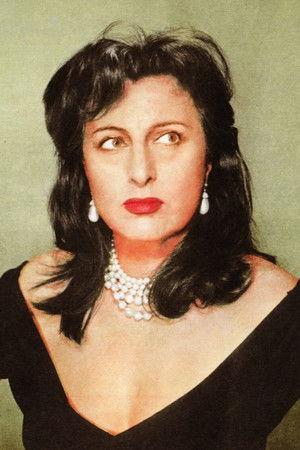
Anna Magnani
Maddalena Cecconi
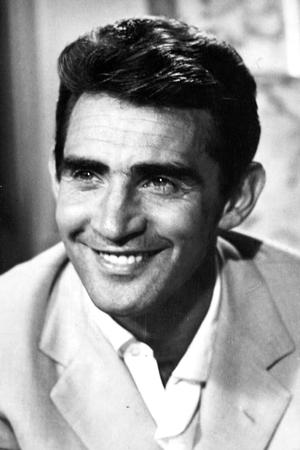
Walter Chiari
Alberto Annovazzi
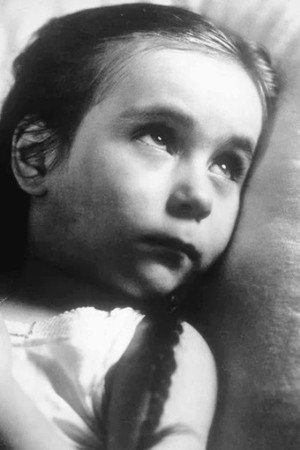
Tina Apicella
Maria Cecconi
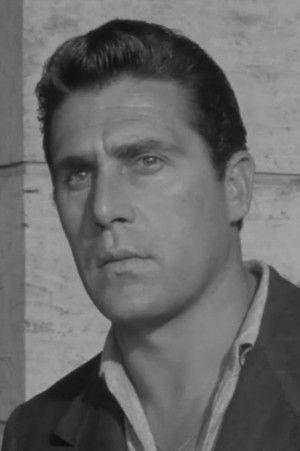
Gastone Renzelli
Spartaco Cecconi
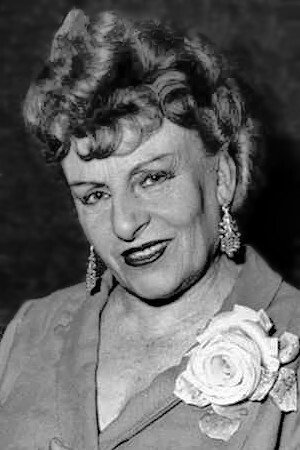
Tecla Scarano
Tilde Spernanzoni
Awards, Festivals & Mentions
-

Nastro d'Argento Best Actress (Anna Magnani)


