
Film
Orpheus
Orphée
In postwar Paris, a celebrated but creatively stalled poet becomes obsessed with a mysterious Princess and the cryptic radio transmissions that seem to dictate verse to him. Drawn through mirrors into a bureaucratic underworld, he chases inspiration and desire across the boundary between the living and the dead.
About
The central panel of Jean Cocteau's loose “Orphic Trilogy,” Orpheus (1950) reimagines the Greek myth in a contemporary Paris of cafés, motorcycles and shortwave radios. It is the most fully realised of Cocteau's films, a poet's meditation on art, mortality and the sources of inspiration, made fifteen years after his debut The Blood of a Poet.
Jean Marais plays the poet Orphée, with María Casares as a coolly elegant Death and François Périer as her chauffeur Heurtebise. Cocteau achieves his celebrated effects in camera — figures passing through mirrors rendered as pools of mercury, journeys through a ruined Zone shot in reverse and slow motion — conjuring an underworld that feels at once mythic and unnervingly modern, governed by tribunals and paperwork.
Hugely admired by the critics who would launch the French New Wave, the film has influenced film-makers and artists from Jacques Demy to contemporary music video, and its mirror-as-doorway remains one of cinema's most quoted images. Dreamlike, witty and genuinely moving, Orpheus is the work in which Cocteau the poet, painter and film-maker most completely fused his gifts — a fantasy that treats the imagination as a country one can actually travel to. Restored and frequently revived, it remains the gateway to Cocteau's cinema and a perennial favourite of programmers and poets alike. Marais and Casarès give the myth a haunting modern face, and the film's vision of death as an elegant bureaucracy has lost none of its strange allure.
Where to Watch
Not currently available in your country.
Available in: , , , , , , , , , , , , , , , ,


















Streaming availability via JustWatch. Last checked 2026-09-27.
Top Cast
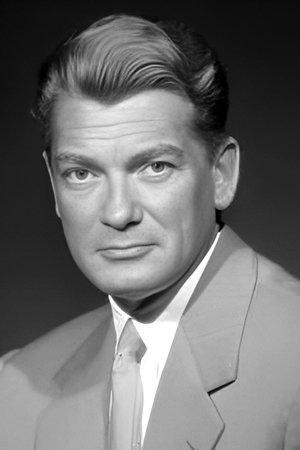
Jean Marais
Orphée
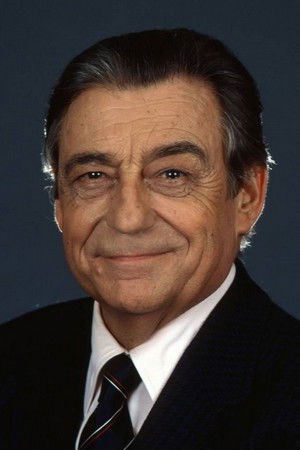
François Périer
Heurtebise

María Casares
Death
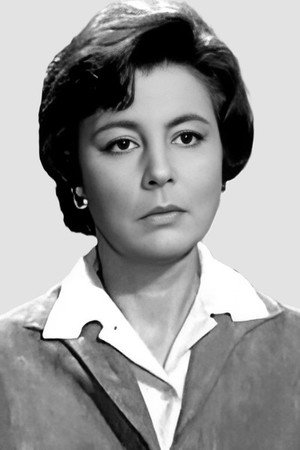
Marie Déa
Eurydice
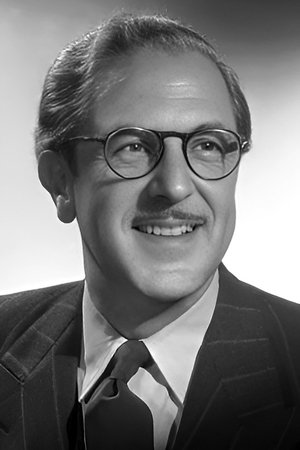
Henri Crémieux
Editor


