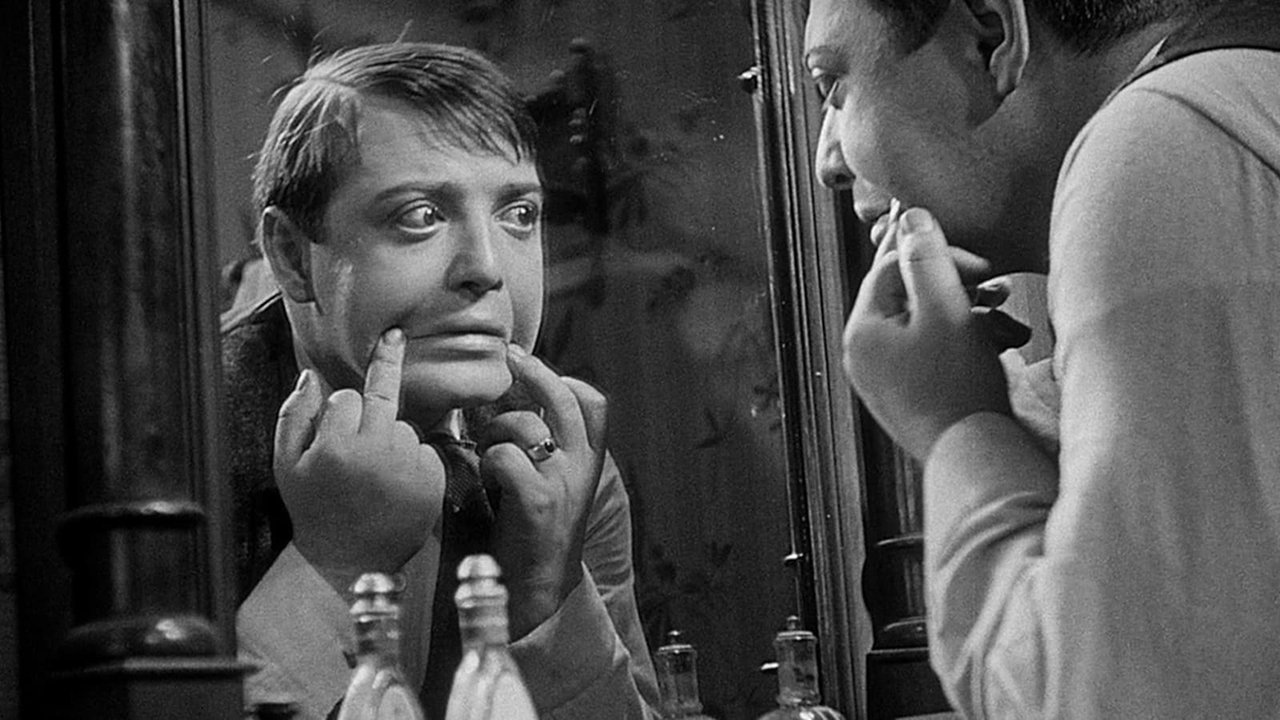
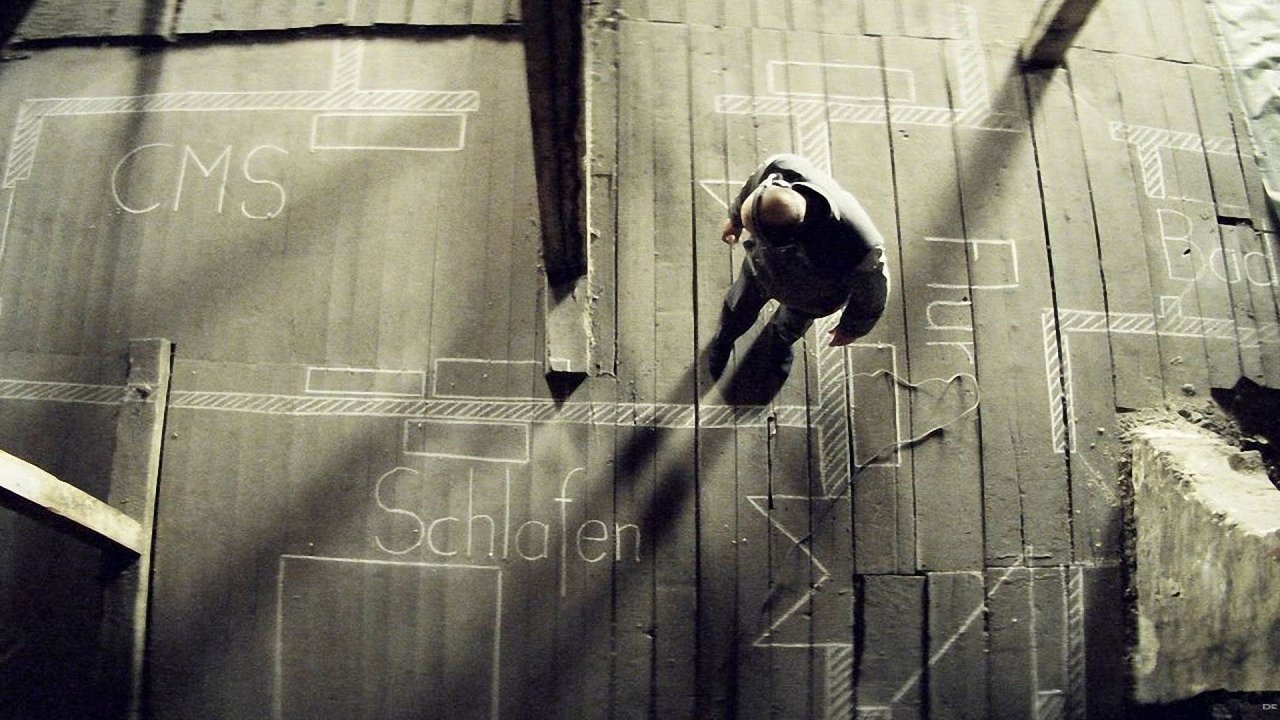
From the founding films of Dogme 95 to two consecutive decades of Oscar contenders, ten essential Danish films that have reshaped European cinema.
For a country of fewer than six million people, Denmark has had an outsized influence on world cinema. The Dogme 95 manifesto, signed by Lars von Trier and Thomas Vinterberg in a Copenhagen hotel, gave a generation of filmmakers permission to strip cinema back to its essentials. The Danish Film Institute has consistently funded difficult work without demanding it justify itself commercially. And a small group of directors, working with a shared pool of writers and actors, have produced one of the most coherent national cinemas of the past forty years.
What unites these ten films is less style than ethical seriousness. Danish cinema tends to ask hard questions about complicity, about institutions, about what a community owes its weakest members. The answers are rarely consoling. Whether you're new to the tradition or looking to fill in the gaps, here are ten Danish films you need to watch.
1. Festen (1998)
Dir. Thomas Vinterberg · Denmark · Drama

The founding film of Dogme 95 and still its most accomplished. Festen takes place over a single evening at a remote country hotel, where a wealthy Danish family has gathered for the patriarch's sixtieth birthday. Vinterberg shoots on handheld digital video, with no added lighting and no non-diegetic sound, in accordance with the Dogme manifesto's strictures. The result feels less like a film than like documentary footage of a family unravelling in real time.
Ulrich Thomsen and Henning Moritzen are extraordinary as son and father, locked in a confrontation that the rest of the family is desperate to ignore. The film won the Jury Prize at Cannes and effectively launched the international careers of an entire generation of Danish filmmakers. Twenty-five years on, its influence on television and independent cinema is still being felt.
2. Pelle the Conqueror (1987)
Dir. Bille August · Denmark / Sweden · Drama / History
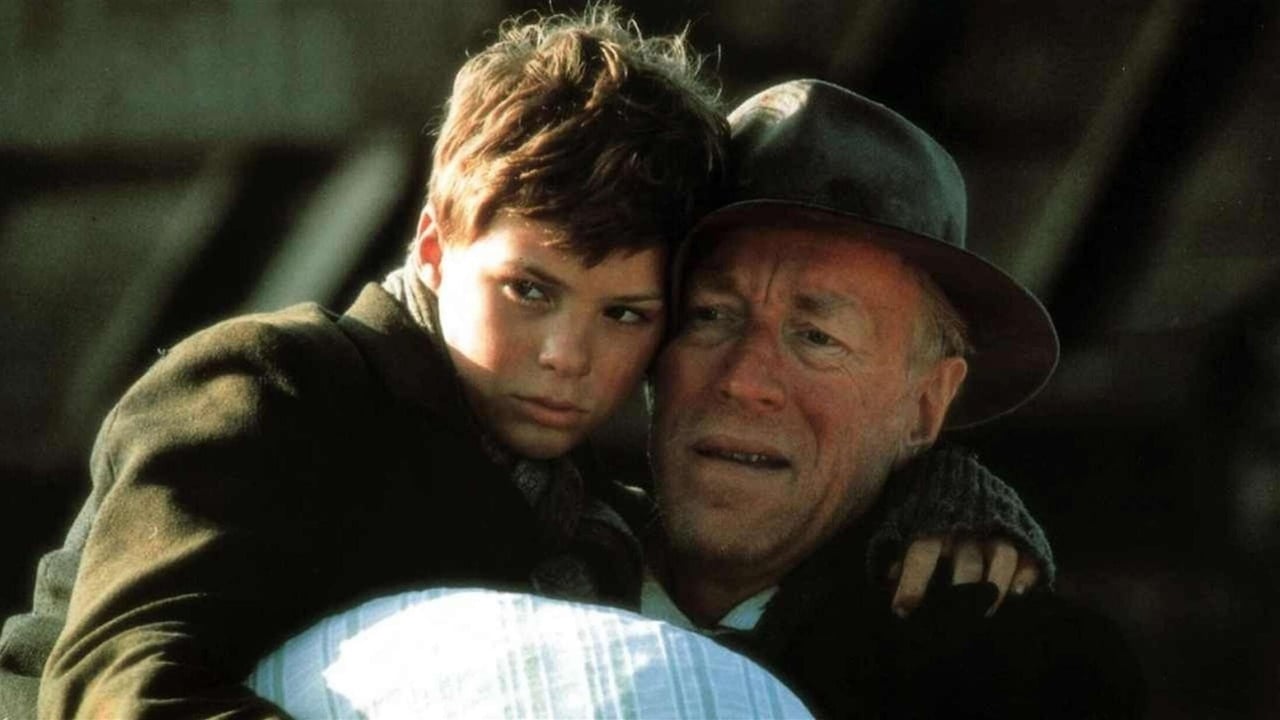
Bille August's adaptation of Martin Andersen Nexø's novel won both the Palme d'Or and the Academy Award for Best Foreign Language Film, the first Danish production to do so. Set at the end of the nineteenth century, it follows an elderly Swedish widower (Max von Sydow) and his young son Pelle, who emigrate to the Danish island of Bornholm in search of work, and find themselves at the bottom of a brutal agricultural hierarchy.
Von Sydow's performance is among the greatest of his career: a portrait of weary dignity that earned him an Oscar nomination at the age of fifty-nine. Pelle Hvenegaard, a non-professional, holds the film as the title character. Jörgen Persson's cinematography of the windswept Bornholm coast is unforgettable. A foundational text of modern Scandinavian cinema, and a film of genuine epic scope.
3. Dancer in the Dark (2000)
Dir. Lars von Trier · Denmark / France / Germany · Musical / Drama
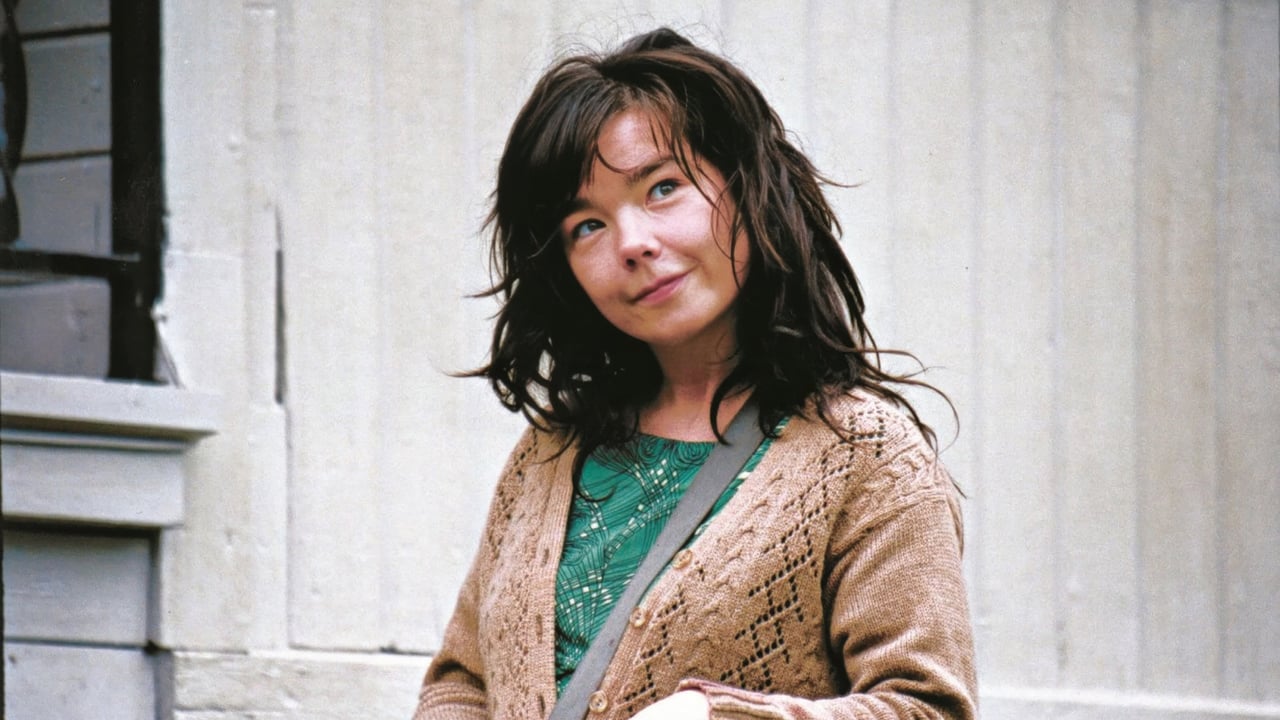
Lars von Trier's most divisive film and the second of his Golden Heart trilogy. Björk plays Selma, a Czech immigrant working a punishing factory job in 1960s rural America to save for her son's eye operation, while she herself is going blind. The reality of her life is shot in the grim, handheld style of von Trier's Dogme-adjacent work; the musical numbers, which erupt from the ambient sounds of her surroundings, are filmed in saturated colour with a hundred fixed cameras.
Björk won Best Actress at Cannes; the film took the Palme d'Or. Her performance is the centre of gravity, vulnerable, defiant, completely without artifice. The making of the film was famously fraught (Björk has said she will never act again), and that tension seems to bleed into every frame. A film that has lost none of its capacity to wound.
4. The Hunt (2012)
Dir. Thomas Vinterberg · Denmark · Drama / Thriller
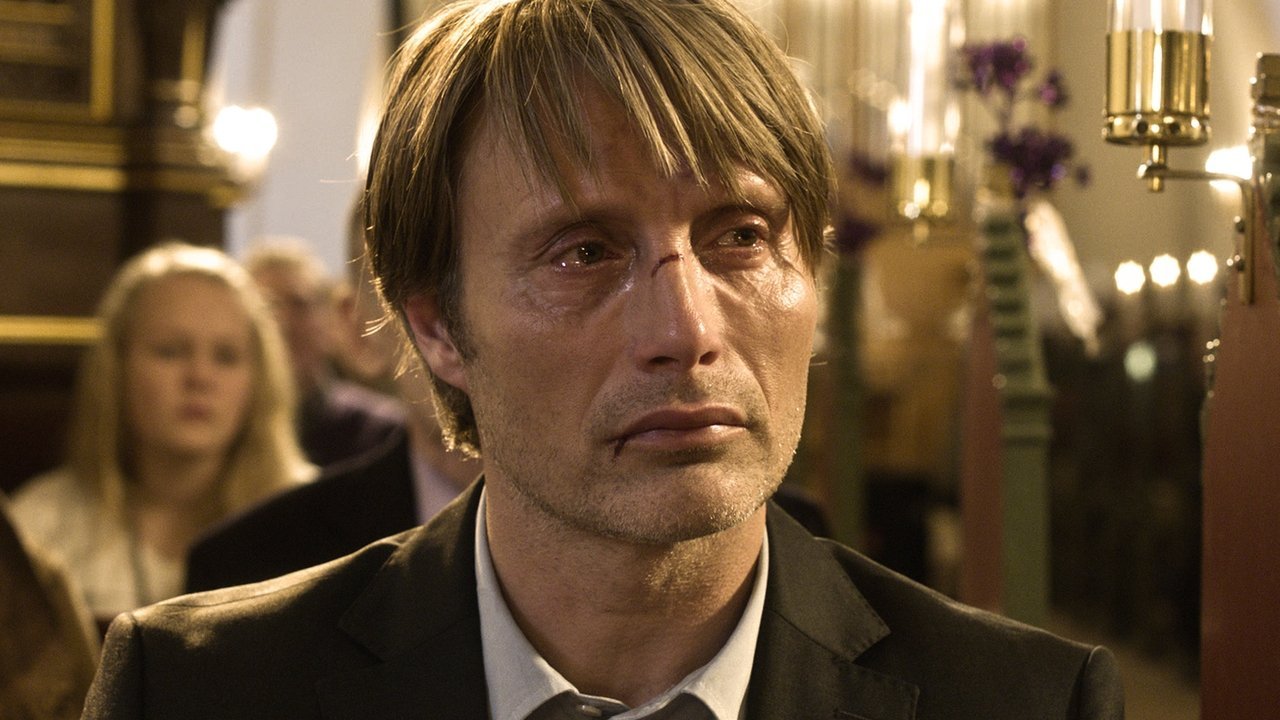
Mads Mikkelsen plays Lucas, a kindergarten teacher in a small Danish town, whose life begins to unravel when one of the children in his care makes a serious accusation. Vinterberg's film is an unflinching study of how rapidly a community can turn on one of its own, and how impossible it is to defend yourself against a charge that society has decided is unspeakable.
Mikkelsen won Best Actor at Cannes, and the film was nominated for the Academy Award for Best Foreign Language Film. The supporting cast (including Thomas Bo Larsen as Lucas's oldest friend) is uniformly excellent. The cinematography, by Charlotte Bruus Christensen, finds quiet menace in the most ordinary domestic and woodland scenes. A film that examines mass psychology with the clinical patience of a Greek tragedy.
5. Another Round (2020)
Dir. Thomas Vinterberg · Denmark · Comedy / Drama

Four middle-aged friends, all teachers at a Copenhagen high school, decide to test a real Norwegian psychiatrist's theory: that humans are born with a blood alcohol level 0.05 too low, and that maintaining a steady mild drunkenness throughout the day will make them happier and more effective. The premise is absurd; Vinterberg plays it with absolute seriousness.
Mads Mikkelsen, in his second collaboration with Vinterberg on this list, anchors the film with a performance of extraordinary precision and pathos. Another Round won the Academy Award for Best International Feature in 2021, alongside numerous European Film Awards. It is also a film of profound melancholy, made in the wake of personal tragedy for its director, and dedicated to his daughter. Few films have looked at midlife disquiet with this much honesty.
6. A Hijacking (2012)
Dir. Tobias Lindholm · Denmark · Thriller / Drama
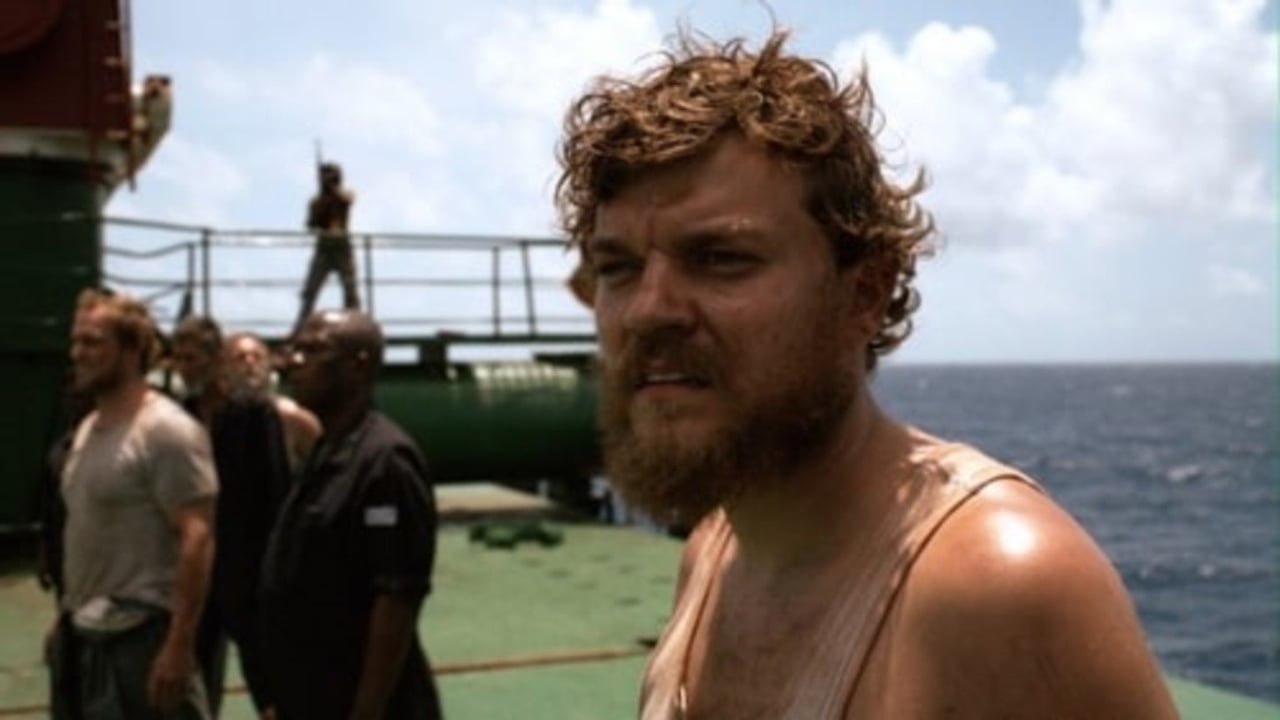
A Danish cargo ship is taken by Somali pirates in the Indian Ocean. Tobias Lindholm's procedural thriller cuts between the captured crew and the company's CEO in a Copenhagen office tower, who has chosen against expert advice to negotiate the ransom himself. What unfolds is less an action film than a study in attrition: the slow grind of weeks at sea, the corporate machinery in Copenhagen, the impossible arithmetic of putting a price on a human life.
Lindholm worked on the screenplays for several Vinterberg and Susanne Bier films before directing his own work, and his ear for institutional dialogue is unmatched in contemporary European cinema. Søren Malling and Pilou Asbæk give performances of remarkable restraint. The film was widely cited as a more rigorous, less sentimental answer to Hollywood's Captain Phillips, released the following year.
7. The Guilty (2018)
Dir. Gustav Möller · Denmark · Thriller / Crime
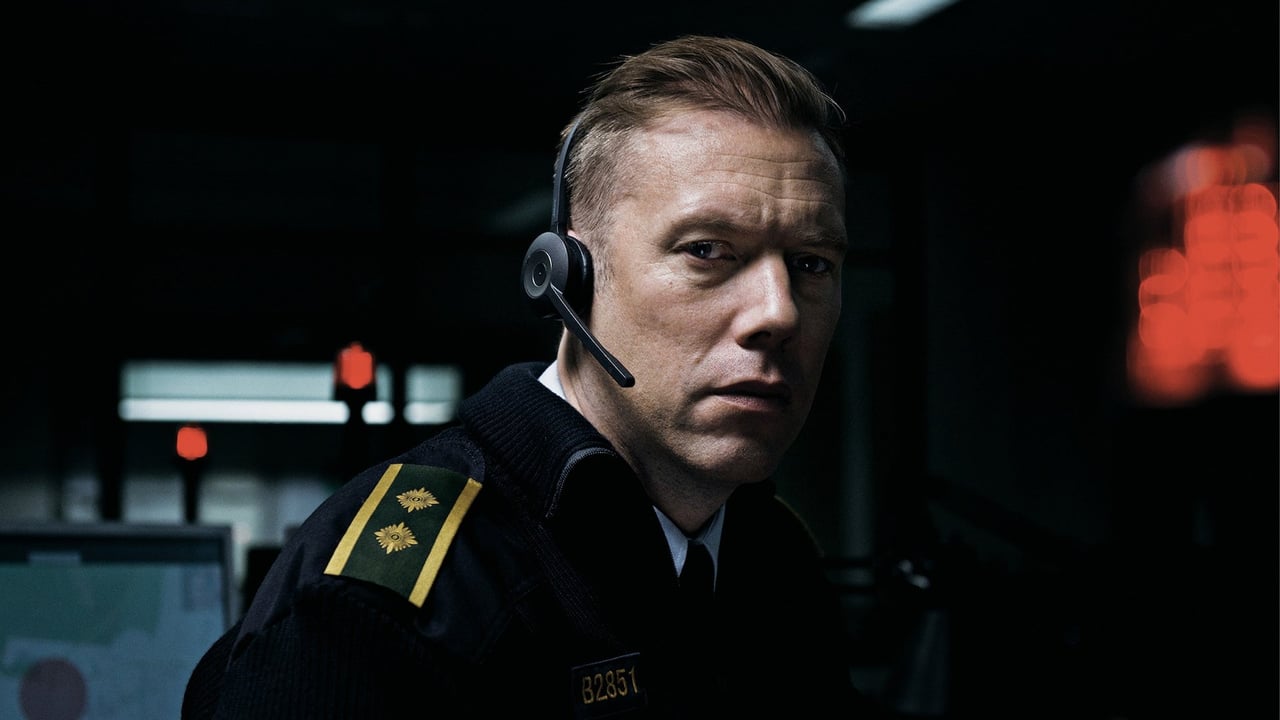
The entire film takes place in a Copenhagen emergency dispatch centre, where a demoted police officer (Jakob Cedergren) is working the night shift. He answers a call from a woman who says she has been abducted, and tries, from his desk, to coordinate her rescue. Gustav Möller's debut feature is a masterpiece of formal restraint: a single location, a handful of phone calls, no flashbacks, and a running time barely over eighty minutes.
Cedergren is in almost every shot, and his face does the work of an entire ensemble. The film won the audience award at Sundance and was selected as Denmark's Oscar submission; an American remake followed in 2021, but the original retains all its tension. A textbook example of how rigorous limitation produces creative freedom.
8. Land of Mine (2015)
Dir. Martin Zandvliet · Denmark / Germany · Drama / History / War

In the months after the German surrender in 1945, Danish authorities forced thousands of captured German soldiers, many of them teenagers, to clear the two million landmines the Wehrmacht had buried along the country's west coast. Martin Zandvliet's film follows one such group, supervised by a Danish sergeant whose hatred of the prisoners is initially absolute.
Zandvliet does not soften the historical record, nor does he sentimentalise it. The film was nominated for the Academy Award for Best Foreign Language Film and won numerous European prizes. Roland Møller is excellent as the sergeant; the young German actors playing the prisoners are uniformly devastating. A reminder that the moral aftermath of a war can be as fraught as the war itself.
9. Riders of Justice (2020)
Dir. Anders Thomas Jensen · Denmark · Drama / Comedy / Thriller
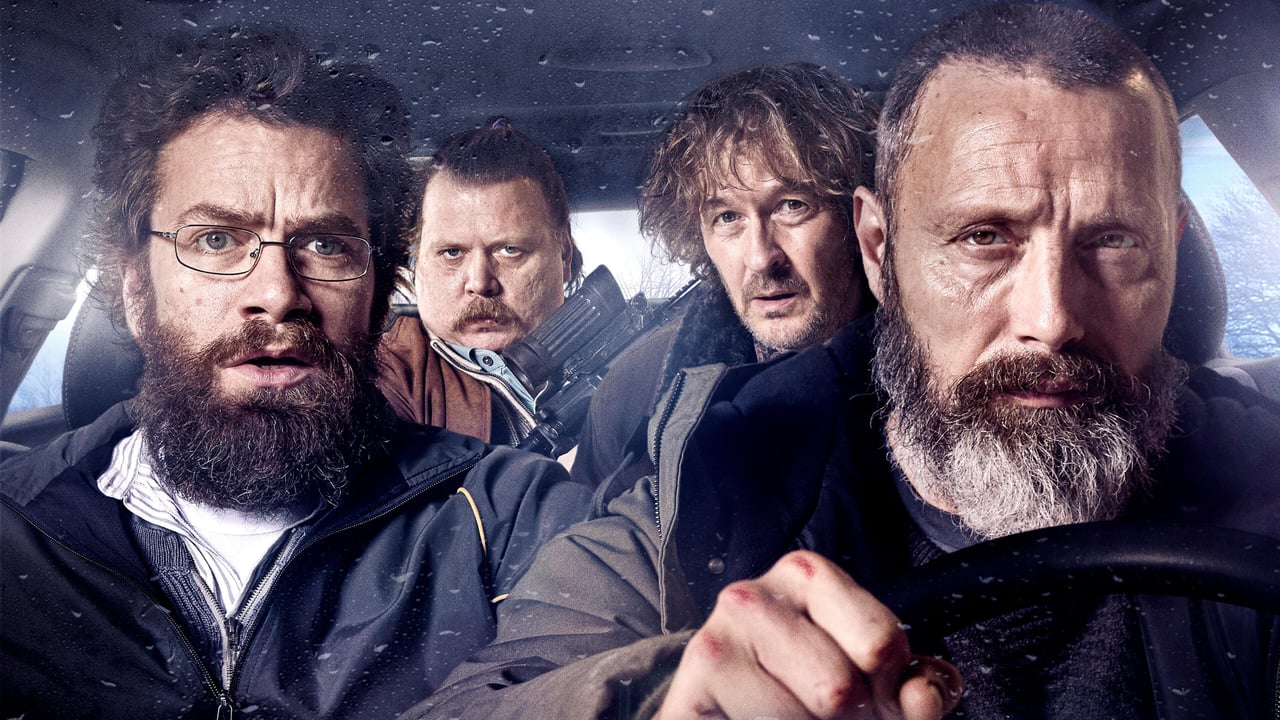
A Danish soldier (Mads Mikkelsen) returns home from deployment after a train accident kills his wife. A statistician approaches him with evidence that the accident may not have been accidental at all, and the two men, joined by an unlikely team, set about investigating it. What sounds like a revenge thriller is in fact something stranger and more humane: a film about grief, probability, and the human appetite for narrative meaning.
Anders Thomas Jensen has been writing for Danish cinema for twenty-five years (his credits include several films on this list), and Riders of Justice is the most assured of his own directorial efforts. The supporting cast (Nikolaj Lie Kaas, Lars Brygmann, Nicolas Bro) is one of the great ensemble achievements of recent Scandinavian cinema. Frequently funny, occasionally violent, unexpectedly tender.
10. Flee (2021)
Dir. Jonas Poher Rasmussen · Denmark / France / Sweden / Norway · Animation / Documentary / Biography

An animated documentary about an Afghan refugee, recorded as a series of interviews between the director and his oldest friend. The subject, given the pseudonym Amin Nawabi, has never told the full story of how he reached Denmark as a child in the late 1990s. The animation allows him to do so while preserving his identity, and gives the film a visual register that pure documentary could not achieve.
Jonas Poher Rasmussen's film made history at the 2022 Academy Awards as the first work ever nominated for Best International Feature, Best Documentary, and Best Animated Feature in the same year. It won the World Cinema Documentary Grand Jury Prize at Sundance and a long list of European awards. A formally inventive and quietly devastating piece of cinema.
The Case for Danish Cinema
What is striking, when you look at these ten films together, is how often the same names appear behind the camera. Anders Thomas Jensen has writing or story credits on at least three. Tobias Lindholm has written or directed several. Mads Mikkelsen, Søren Malling, and Pilou Asbæk recur as actors. The Danish film world is small enough that a coherent generational sensibility has been able to develop, with directors and writers and actors collaborating across decades.
The other thing these films share is a willingness to sit with discomfort. The Hunt does not let its audience off the hook. Festen refuses the consolations of melodrama. A Hijacking declines the catharsis that a Hollywood version would deliver as a matter of course. Danish cinema, at its best, treats its viewers as adults capable of holding moral complication.
Honourable Mention: The Act of Killing (2012)
Dir. Joshua Oppenheimer · Denmark / Norway / UK / Indonesia · Documentary / History
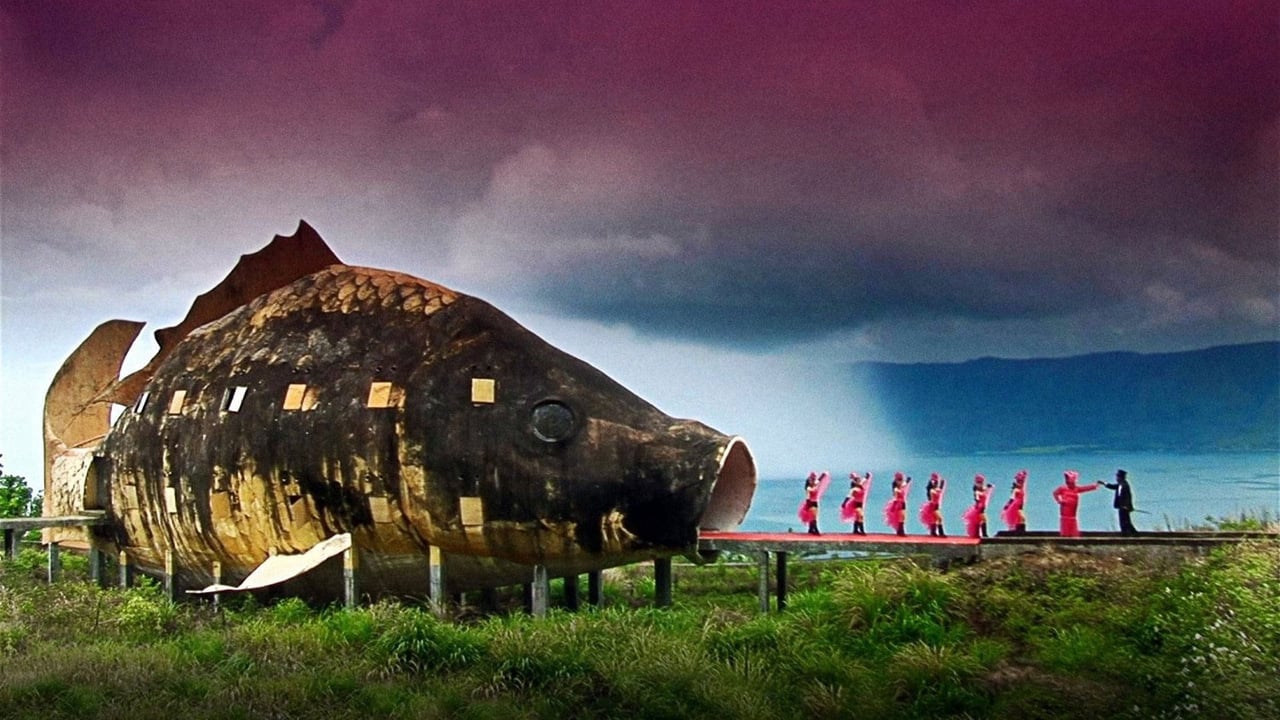
Joshua Oppenheimer is American, but the film is a Danish co-production, supported by the Danish Film Institute and produced by Final Cut for Real in Copenhagen. Perpetrators of the 1965 Indonesian anti-communist purges are invited to re-enact their crimes in the cinematic genres of their choice: gangster film, musical, western. The result is one of the most disturbing documentaries ever made, and one of the most morally serious. Worth watching alongside its 2014 companion piece The Look of Silence.
Where to Start
If you're new to Danish cinema, Another Round and The Hunt are immediately accessible and showcase Mads Mikkelsen at the height of his powers. If you want the formal radicalism that put Denmark on the map, start with Festen. If you want a single-evening viewing experience that will stay with you for weeks, The Guilty is the most efficient ninety minutes in modern European thriller filmmaking.
If you enjoyed this list, explore our companion guides — our 10 Must-Watch Swedish Films of All Time and our 10 Must-Watch European Crime Series.
For the historical register — Martin Zandvliet's Land of Mine is one of its standout titles — see our 10 Must-Watch European War Films.
Denmark's standing on the festival circuit was confirmed again in September 2026, when May el-Toukhy's Woman Unknown took the Golden Lion and the Coppa Volpi for Best Actress at Venice. The full prize list is in our Venice 2026 Winners List.