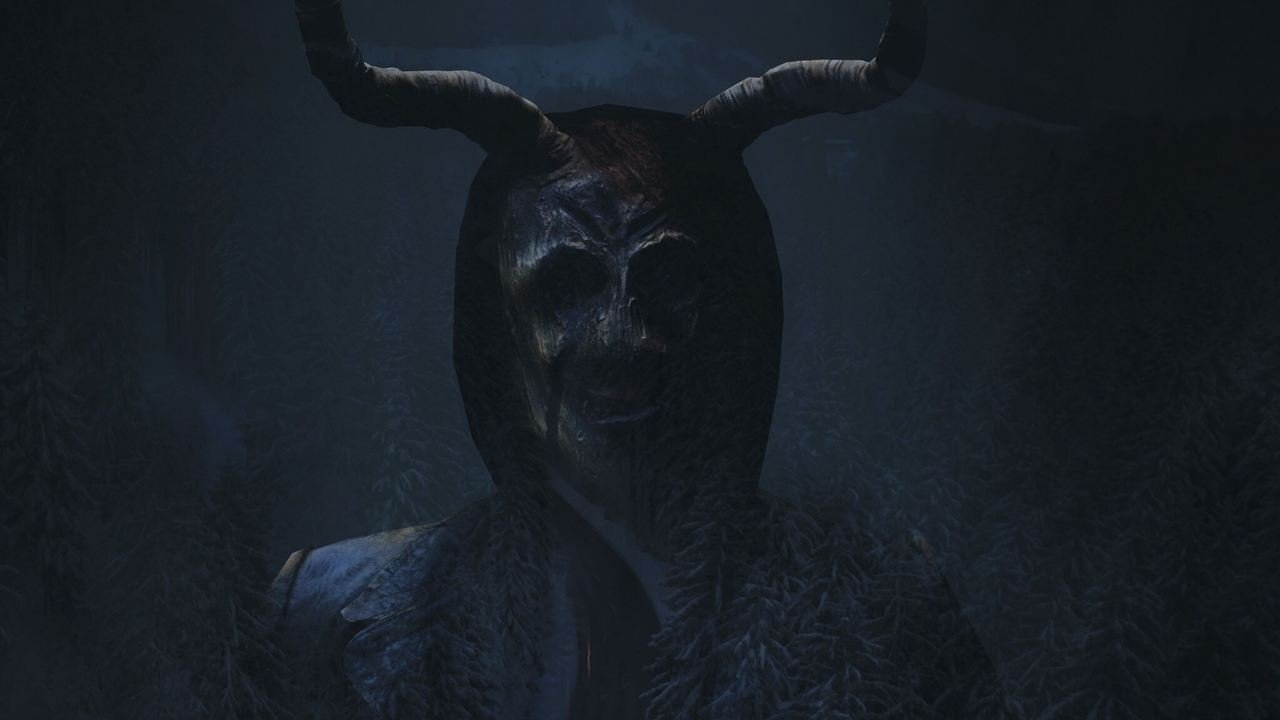
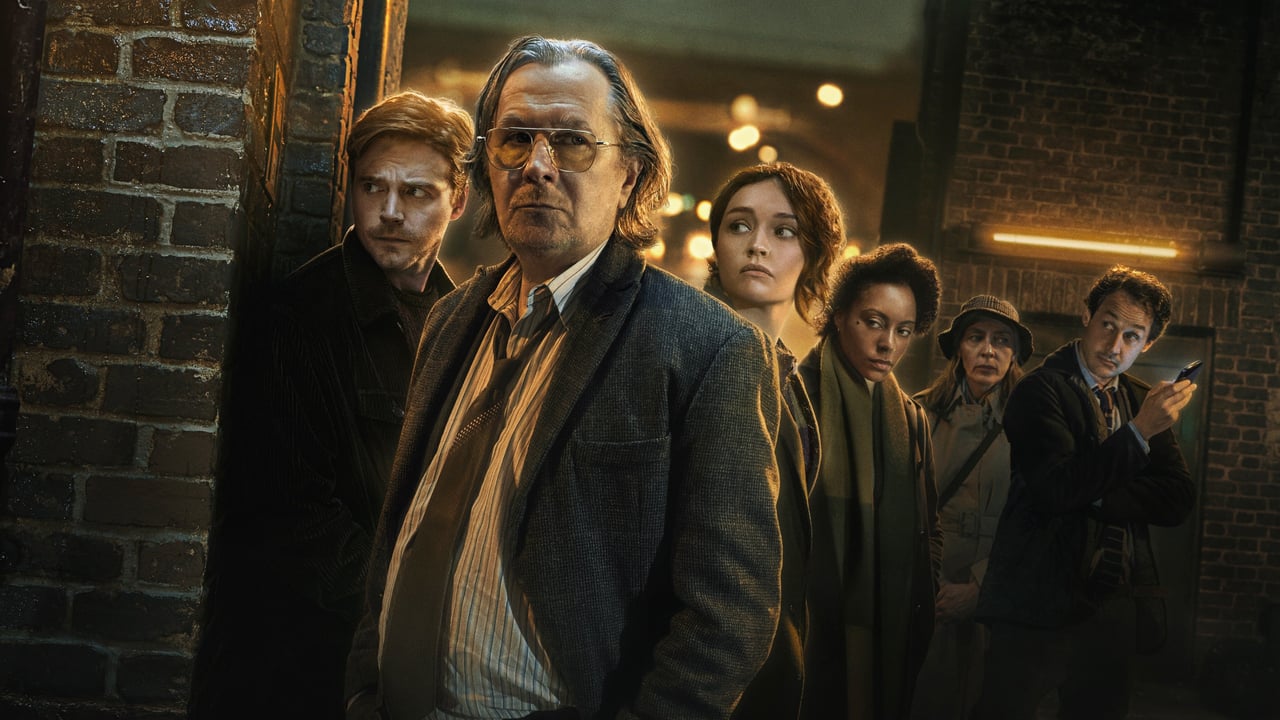
From the windswept Faroese jumpers of Copenhagen to the frozen border towns of Finland and Iceland, ten essential Scandinavian crime series that defined the most influential strand in contemporary television.
Nordic noir, as a critical category, barely existed before 2007. The international success of Søren Sveistrup's The Killing, followed by Hans Rosenfeldt's The Bridge three years later, established a new template for crime television — slower than its American counterpart, more interested in place and weather, more politically engaged. What followed across Sweden, Denmark, Norway, Finland, and Iceland is the most coherent regional crime-TV tradition of the streaming era.
This list spans five countries and almost two decades of production. Whether you're new to Scandinavian crime or filling in the gaps, here are ten series you need to watch.
1. The Killing (2007)
Dir. Søren Sveistrup · Denmark · Crime / Drama
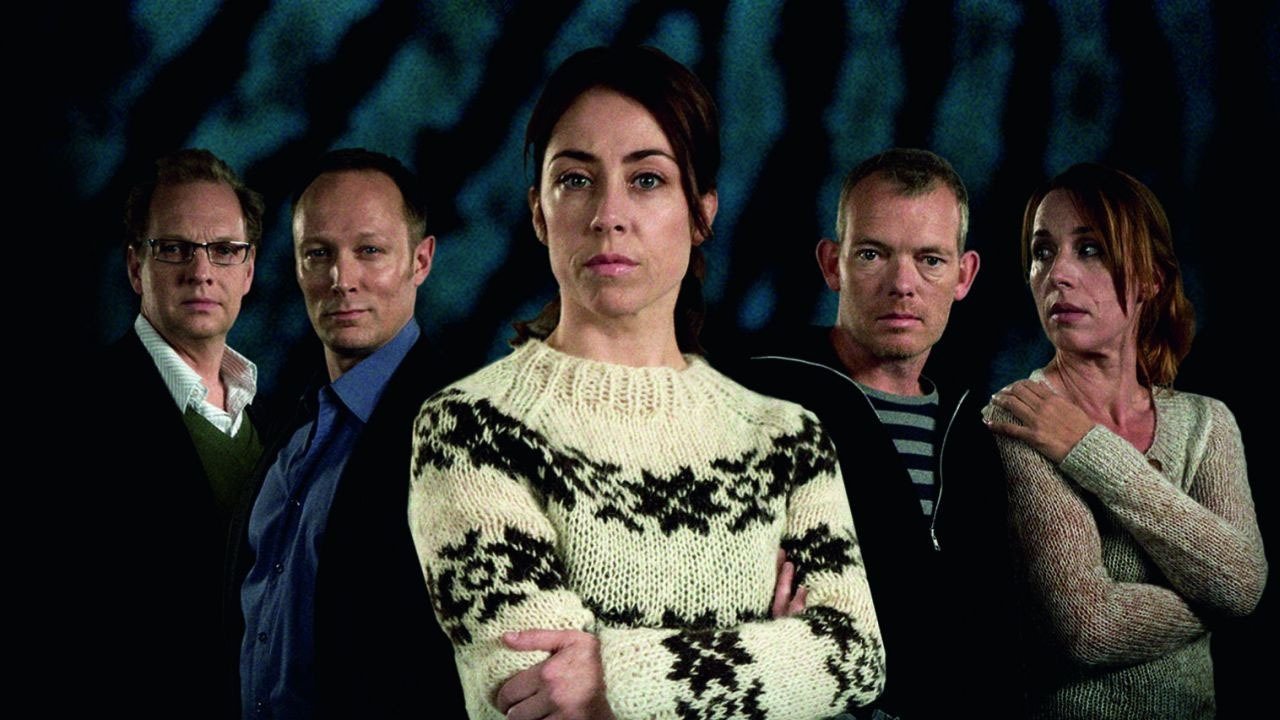
The series that launched the modern Nordic-noir wave and still its most accomplished. Sarah Lund is one of the great creations of 21st-century television: obsessive, socially awkward, morally absolute, perpetually wearing a Faroese jumper. DR's series unfolds one murder case across twenty episodes, interweaving the investigation with the political and family fallout it sets in motion.
What set it apart in 2007 was its refusal to rush. Each episode covers a single day. The camera lingers on faces. Silence is allowed to breathe. The result was television that felt genuinely novelistic, and that showed the rest of the world how to do slow-burn crime drama. Three seasons, each better than the last.
2. The Bridge (2011)
Dir. Hans Rosenfeldt · Denmark / Sweden · Crime / Thriller
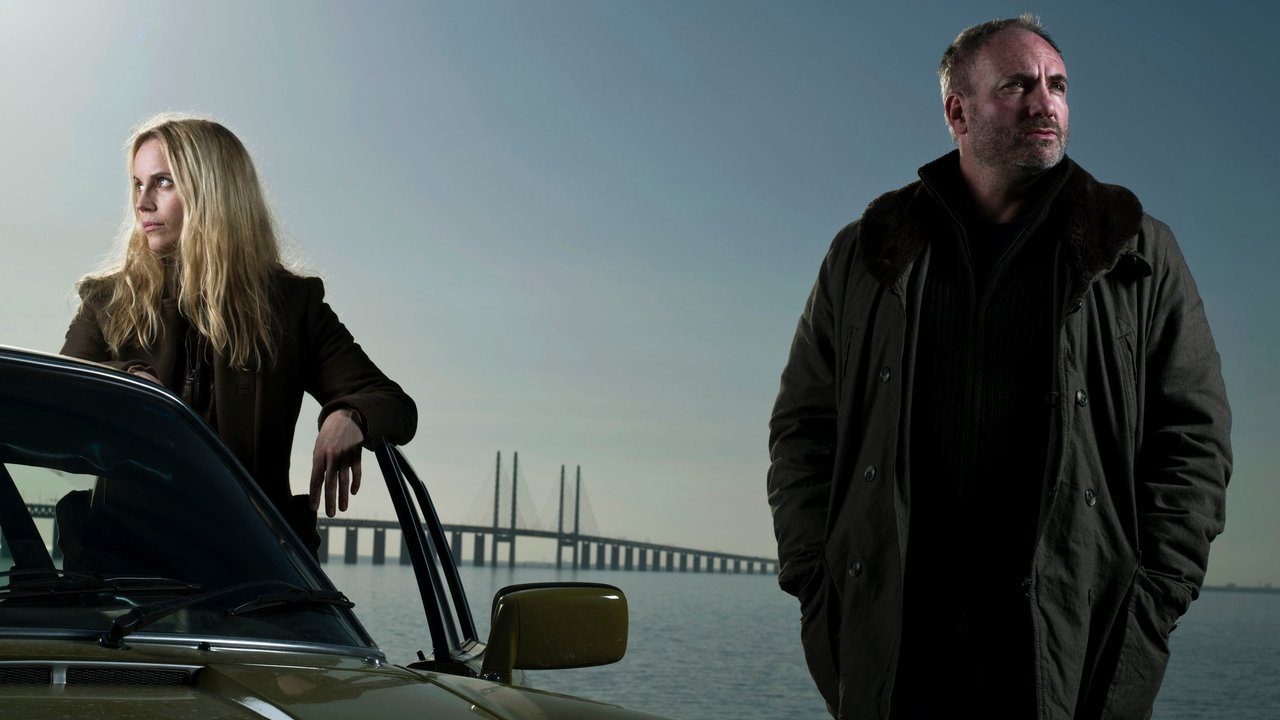
A body is found on the exact midpoint of the Øresund Bridge between Denmark and Sweden, which means two detectives from two countries must share the case. What follows is not just a gripping whodunnit but a study in contrasts: the methodical, blunt Swedish detective Saga Norén alongside the warmer, more instinctive Danish Martin Rohde. Their partnership is one of the great double acts in crime television.
Sofia Helin's portrayal of Saga (a character written with traits consistent with autism, though never labelled) is extraordinary: precise, alien, oddly moving. The series is also sharply political, using its crimes to explore contemporary anxieties about immigration, inequality, and identity across the Nordic region. Four seasons, endlessly rewatchable, and the model for the franchise's subsequent French-British, American, and Russian-Estonian remakes.
3. Wallander (2005)
Dir. Various · Sweden · Crime / Drama / Mystery
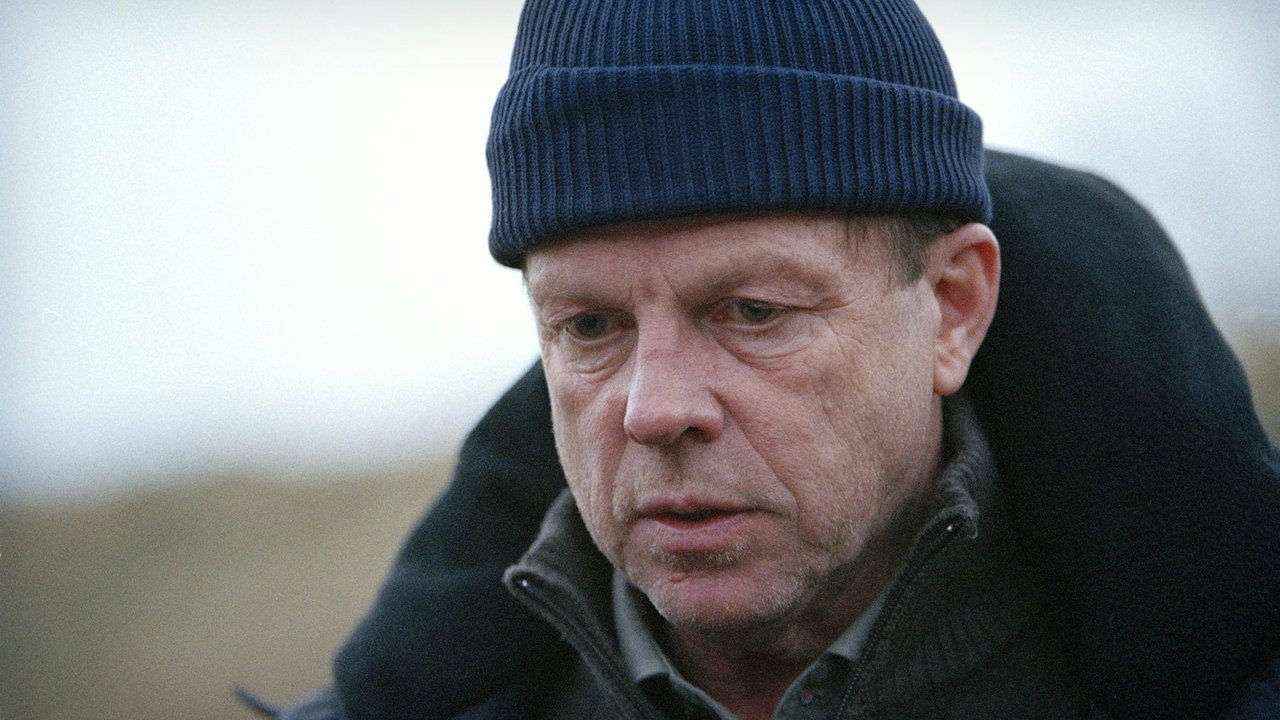
Before the BBC remake with Kenneth Branagh, there was the Swedish original — Krister Henriksson's Wallander, quieter, more worn, more recognisably human than his British counterpart. The Ystad that surrounds him feels genuinely provincial: a small Swedish town where violent crime arrives as a rupture in an otherwise orderly world.
Henning Mankell's novels are the source, but the series transcends adaptation. It is less interested in the mechanics of detection than in what a life of witnessing violence does to a person. By the final season, Wallander is a man diminished by his work, and Henriksson plays that diminishment with quiet heartbreak. If you've only seen the BBC version, watch this — it's a different and in many ways superior experience.
4. Trapped (2015)
Dir. Baltasar Kormákur · Iceland · Crime / Drama / Mystery

A dismembered body washes up in the harbour of a small Icelandic fjord town in midwinter, just as a blizzard cuts off the entire community from the rest of the country. The local police chief Andri (Ólafur Darri Ólafsson) has hours, then days, to identify the killer before more victims appear and before the storm lifts.
Baltasar Kormákur (a major Icelandic filmmaker, also behind The Deep and Everest) was the showrunner; his commitment to filming on the actual remote eastern fjords gives the show a sense of place no studio recreation could match. Trapped was the most expensive Icelandic production ever made on its release, and it announced the country's small film industry as a serious player in international crime television. Three seasons, each in a different Icelandic landscape.
5. The Valhalla Murders (2019)
Dir. Thordur Palsson · Iceland · Crime / Mystery

Iceland's first Netflix-distributed original series and the country's most internationally successful crime drama to date. A Reykjavik detective (Nína Dögg Filippusdóttir) and a profiler returning from Norway (Björn Thors) investigate a string of killings that appear to be linked to the historical abuse of children at a 1980s boys' reform home called Valhalla.
Thordur Palsson's series draws on a real chapter of Icelandic institutional history — the country's reckoning with abuse in state-run children's homes — and treats it with serious moral attention. The Reykjavik production design, all winter light and harbour grey, is a long way from the cosier interiors of British or Danish procedurals. One self-contained season; rewatchable.
6. Bordertown (2016)
Dir. Miikko Oikkonen · Finland · Crime / Drama / Thriller

Detective Inspector Kari Sorjonen (Ville Virtanen) relocates his family from Helsinki to the eastern Finnish frontier town of Lappeenranta, hoping for a quieter life and safer environment for his daughter. The Serious Crimes Unit he sets up alongside a Russian colleague rapidly becomes one of the busiest in the country. The Finland-Russia border is the show's geographical and thematic spine: smuggling, trafficking, espionage all cross it.
The highest-budget Finnish drama ever produced for Yle, the country's public broadcaster. Created by Miikko Oikkonen, the show ran for three seasons of thirty episodes total and became one of the most-watched non-English productions on Netflix in 2017. Virtanen's central performance — a savant detective with a dry, almost autistic precision — earned comparisons to Saga Norén but stands on its own.
7. The Chestnut Man (2021)
Dir. Mikkel Serup · Denmark · Crime / Drama / Mystery
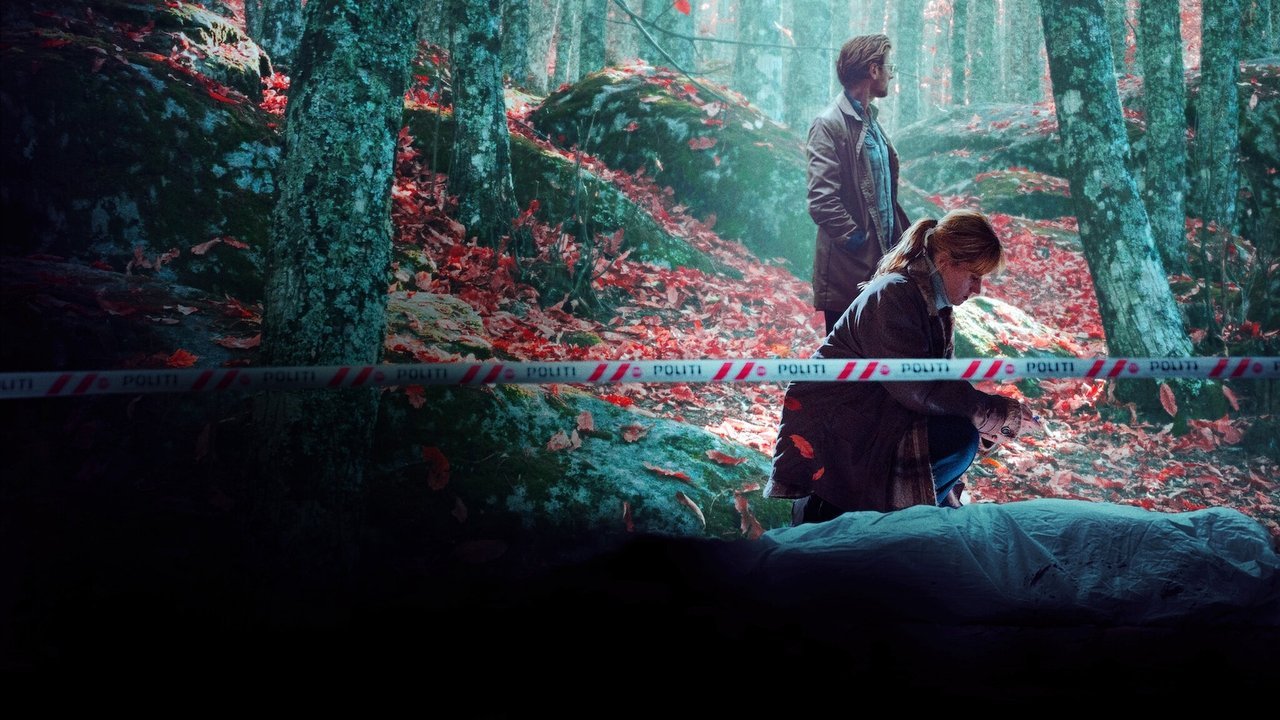
From the creators of The Killing, this Netflix adaptation of Søren Sveistrup's novel follows two detectives — Naia Thulin (Danica Curcic) and Mark Hess (Mikkel Boe Følsgaard) — hunting a serial killer whose crime scenes are marked with small figures made of chestnuts, each containing a fingerprint belonging to a girl who disappeared a year earlier. The political subplot, involving the missing girl's mother (a government minister), adds layers beyond the procedural.
Sveistrup, returning to crime television fifteen years after he created The Killing, brings the same sense of moral weight and deliberate pacing. The show's autumn-Copenhagen palette (greys and rusts and dimly lit interiors) is among the most assured visual statements in recent Danish television. Six episodes, paced like a novel; built to be watched in two evenings.
8. Modus (2015)
Dir. Lisa Farzaneh · Sweden · Crime / Thriller

Inger Johanne Vik (Melinda Kinnaman), a former FBI profiler now teaching at Stockholm University, is drawn into a homicide investigation when her young daughter — who is on the autism spectrum — witnesses something connected to a series of killings. The detective leading the case (Henrik Norlén) becomes both a professional partner and an emotional anchor across two seasons.
Adapted from the Norwegian novelist Anne Holt's bestselling series and produced by Miso Film, Modus is less interested in the spectacle of violence than in the psychology of those who commit it. The second season pivots to a politically explosive premise — a kidnapping with international consequences — and brings in Kim Cattrall in an extended guest role. Twin pillars of careful character study and high-stakes plotting.
9. Occupied (2015)
Dir. Erik Skjoldbjærg · Norway · Thriller / Political

Conceived by the novelist Jo Nesbø, this Norwegian political thriller imagines a near-future Russia occupying Norway with European Union complicity, in response to the country's decision to halt oil and gas production. The drama plays out across three seasons through the eyes of a Norwegian Prime Minister, his security detail, journalists, and ordinary citizens trying to determine where personal loyalty ends and collaboration begins.
The show was the most expensive Norwegian production of its decade and unusually prescient: it aired its first season in 2015, almost a decade before similar fears about Russian aggression became central to European political conversation. Erik Skjoldbjærg (director of the original Insomnia) anchored the production. Not a procedural in any conventional sense, but a crime series in the broadest political register.
10. Lilyhammer (2012)
Dir. Eilif Skodvin · Norway / US · Crime / Comedy / Drama

Steven Van Zandt plays Frank Tagliano, a New York mobster who enters witness protection and asks to be relocated to a place he saw on television: Lillehammer, Norway. What follows is one of the strangest fish-out-of-water comedies of its decade, three seasons in which an Italian-American gangster tries to keep a low profile in a small Norwegian town and progressively reshapes it in his image.
Notable as Netflix's first global original series (commissioned before House of Cards) and as a rare comedy in the Nordic crime canon. The show's bilingual scripts and its willingness to use both Norwegian and English — sometimes within the same scene — became influential on later international productions. Van Zandt, best known to American audiences as Silvio from The Sopranos, is in his element.
The Scandinavian Crime Tradition
What unites these ten series, despite the differences in setting from Reykjavik to Lillehammer, is a commitment to taking landscape and weather seriously as elements of crime drama. American crime television treats place as backdrop. Scandinavian crime treats it as a character. The fjord in Trapped, the bridge in The Bridge, the border in Bordertown, the Ystad fields in Wallander — all do dramatic work that no equivalent American series would entrust to a setting.
The other through-line is the seriousness with which these shows engage with institutions. The Killing shows us a political system as morally compromised as any criminal enterprise. Occupied imagines a state under coercion. The Valhalla Murders investigates the long aftermath of state failure toward children. The Nordic countries have small populations and relatively transparent governments; crime fiction is one of their most articulate vehicles for self-examination.
Honourable Mention: Beck (1997)
Dir. Various · Sweden · Crime / Drama

The longest-running entry in the Scandinavian-crime canon. Peter Haber has played Detective Inspector Martin Beck across more than forty self-contained television films since 1997 — adapted, very loosely, from the foundational Sjöwall-Wahlöö police procedurals of the 1960s and 1970s. Mikael Persbrandt's partner Gunvald has become one of the most beloved characters in Swedish television. A back-catalogue large enough to fill a winter.
Where to Start
If you're new to Scandinavian crime, The Killing and The Bridge are the foundational works and the most rewarding entry points. For a single confined viewing experience, Trapped's first season is one of the most efficient ten hours of television in any tradition. For something with comic register, Lilyhammer is the outlier on this list and the most fun. For the most recent and accomplished pure procedural, The Valhalla Murders is the natural choice.
If you enjoyed this list, explore our companion guides — our 10 Must-Watch European Crime Series and our 10 Must-Watch Swedish Films of All Time. For the equivalent prestige register in France, see our 10 Must-Watch French Series.