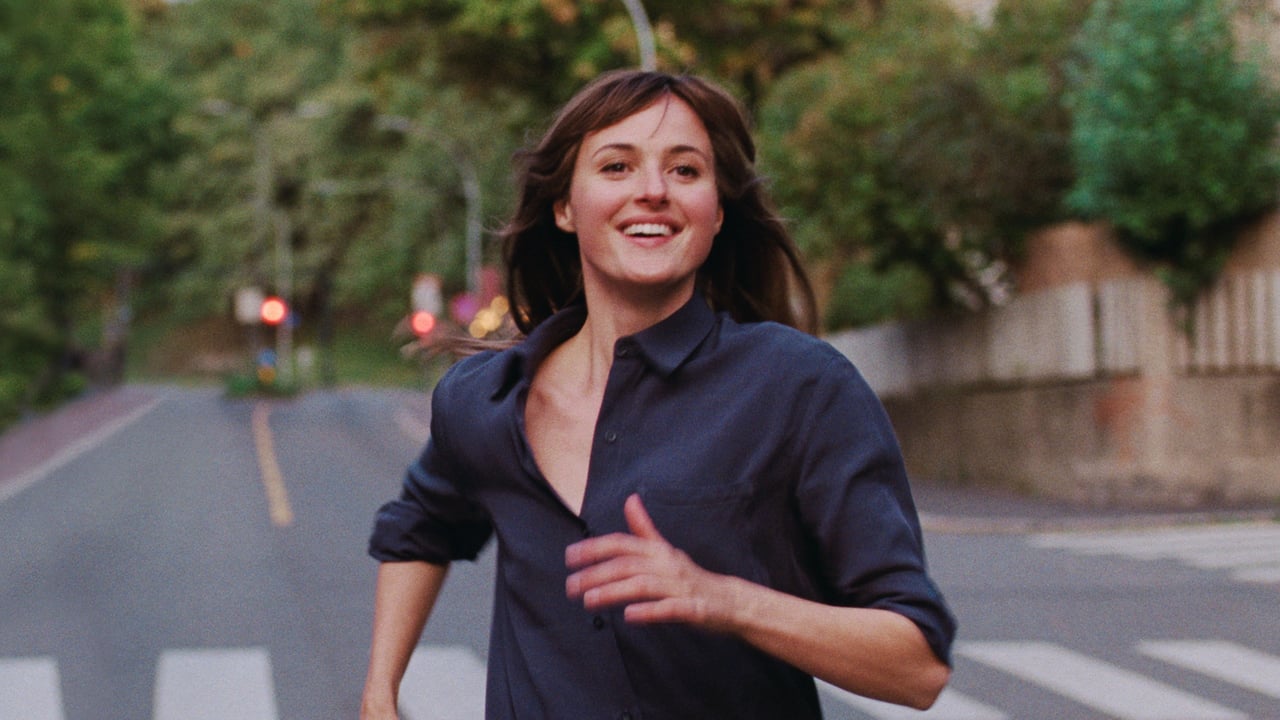
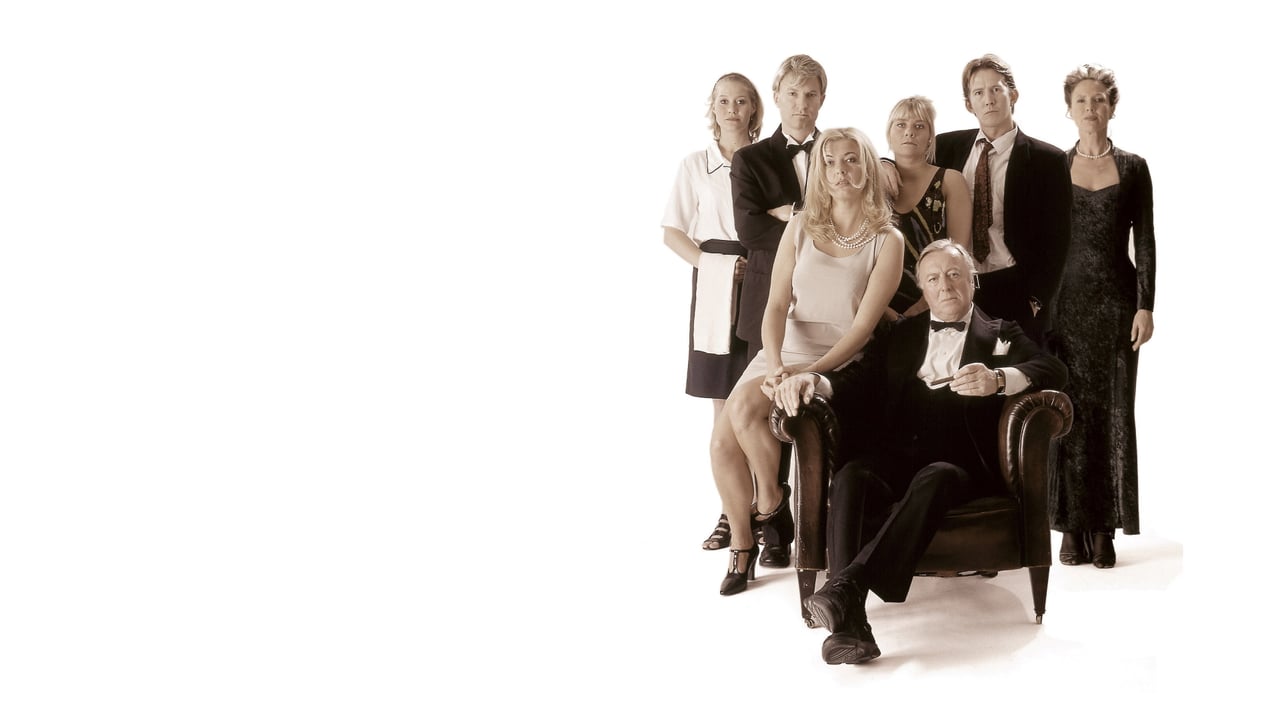
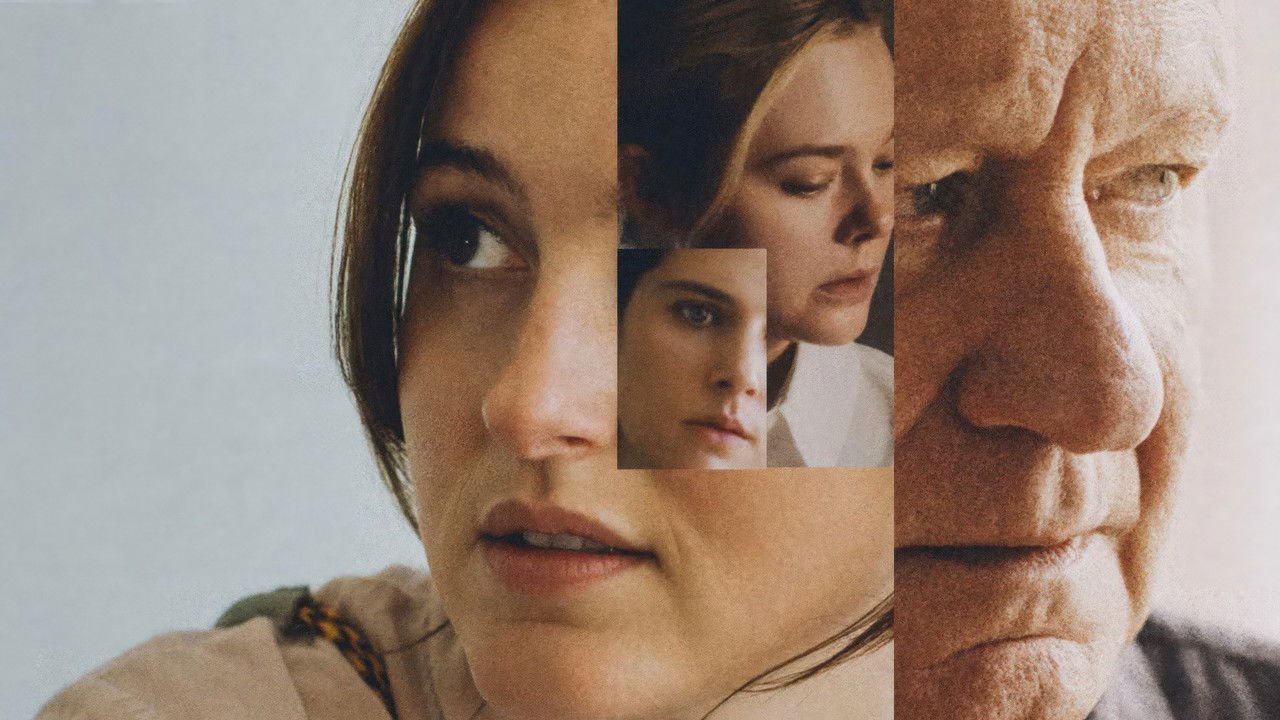
From Joshua Oppenheimer's perpetrator-reenactments to a young mother filming the siege of Aleppo, ten European documentaries that have redrawn what non-fiction film can do.
European documentary, over the past fifteen years, has stopped behaving like the poor relation of feature cinema. It has become the form where the most consequential formal experiments are happening, and where the most urgent political material now arrives. The European Film Awards' documentary category, the Berlinale's documentary strand, IDFA in Amsterdam, CPH:DOX in Copenhagen and the Cannes L'Œil d'or have collectively created an infrastructure that funds, screens and prizes work which would, twenty years ago, have struggled to be made at all.
The selection below is shaped by a few of the movements that have defined the period. There is the perpetrator-reenactment school inaugurated by Joshua Oppenheimer's The Act of Killing, which gave documentary a vocabulary for sitting with its subjects rather than indicting them from above. There is the wave of war-witness work produced from inside Ukraine and Syria, in which the camera is held by the people being bombed and the footage is smuggled out at considerable personal cost. There is the animation-as-testimony approach Jonas Poher Rasmussen pioneered with Flee, using rotoscope to protect an asylum-seeker's identity while preserving the voice. There is the patient observational portrait, perfected by Benjamin Ree in Norway, in which a relationship is allowed to unfold across years until its meaning declares itself. And there are the archival reckonings, of which Andres Veiel's Riefenstahl is the current high point — a film made almost entirely from one woman's seven-hundred-box personal estate.
What unites them is method as content. In each of these films the question of how to film the material is inseparable from what the material is. Here are ten European documentaries that deserve your attention.
1. The Act of Killing
Dir. Joshua Oppenheimer · Denmark / Norway / UK · BAFTA & European Film Award winner
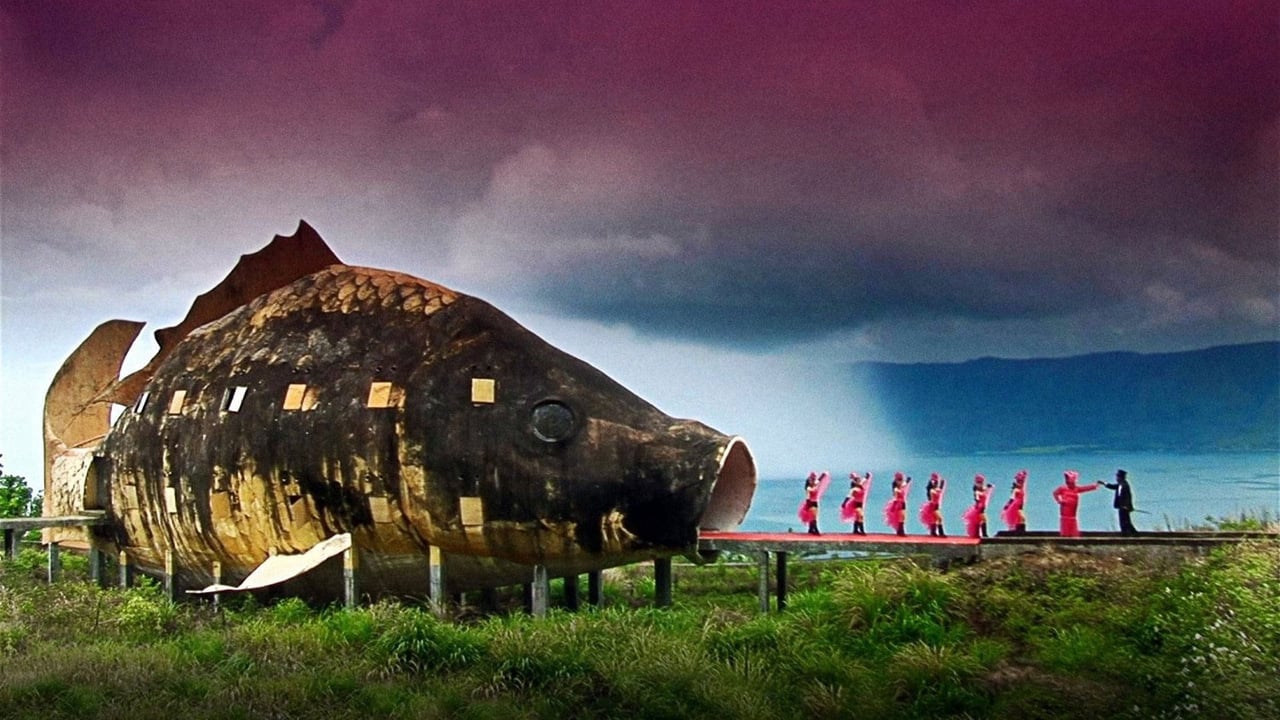
Joshua Oppenheimer's The Act of Killing (2012) is the documentary that recalibrated the form. Made over seven years in North Sumatra as a Danish-Norwegian-British-Indonesian co-production (with Werner Herzog and Errol Morris as executive producers), the film returns to the Indonesian killings of 1965-66, in which approximately one million suspected communists were murdered by army-affiliated paramilitaries. Oppenheimer convinced Anwar Congo and a small group of his fellow former death-squad members to re-enact their work for the camera in the genre styles they had absorbed from cinemas during the period: gangster, musical, western. Over forty members of the Indonesian crew chose to remain anonymous in the final credits.
The film won the European Film Award and the BAFTA for Best Documentary, was nominated for the Academy Award, and was named one of the year's best by Sight & Sound, The Guardian, The Village Voice and the National Board of Review. Oppenheimer's companion film The Look of Silence followed in 2014. More than a decade on, The Act of Killing remains standard reference viewing in journalism, anthropology and documentary courses, and its perpetrator-reenactment method has been adopted, debated and adapted by a generation of filmmakers — most recently and most explicitly by Igor Bezinović in Fiume o Morte!, lower down this list.
2. Flee
Dir. Jonas Poher Rasmussen · Denmark · Triple Oscar nominee
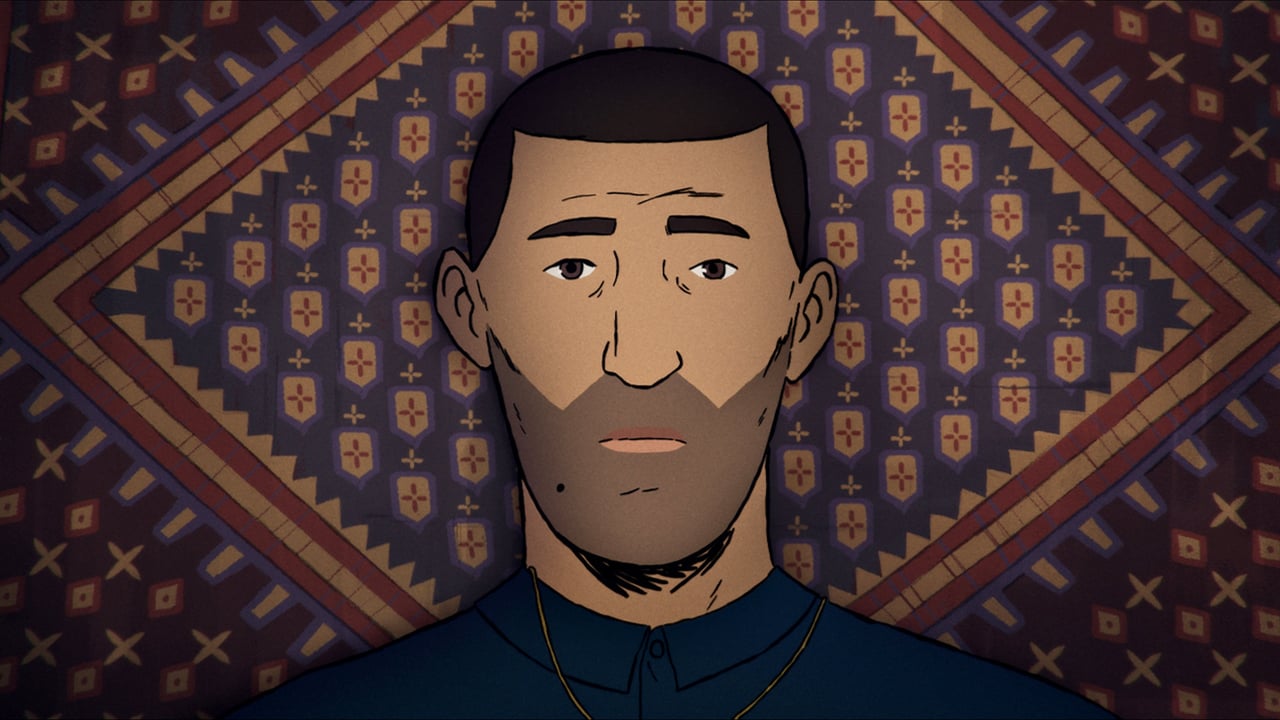
Jonas Poher Rasmussen's Flee (Flugt, 2021) is the first film in Academy history to be nominated for Best Animated Feature, Best Documentary Feature and Best International Feature in the same year. The Danish director, a Danish-Romani filmmaker who had been friends with the central subject for over fifteen years, sits down with an Afghan academic now living in Copenhagen — protected throughout under the pseudonym Amin Nawabi — and finally records the story of his flight from Kabul as a teenager in the early 1990s, a story the subject had kept secret from most of his Danish-life social circle, including his fiancé, for over twenty years.
The film moves between contemporary Copenhagen interview footage, rotoscoped into hand-drawn 2D animation, and animated reconstruction of the long migration eastwards through Russia and the Baltics. The ethical commitment to protecting Amin's identity is itself a refugee-protection issue, since aspects of his original asylum claim could expose him to retroactive immigration sanctions — and the animation register exists in large part to honour that need. The film won the European Film Award for Best Documentary, the Sundance Grand Jury Prize, the Annecy Cristal and a Robert. It has become one of the most-discussed methodological choices in documentary filmmaking of its decade.
3. No Other Land
Dir. Basel Adra, Hamdan Ballal, Yuval Abraham & Rachel Szor · Palestine / Norway · Oscar winner
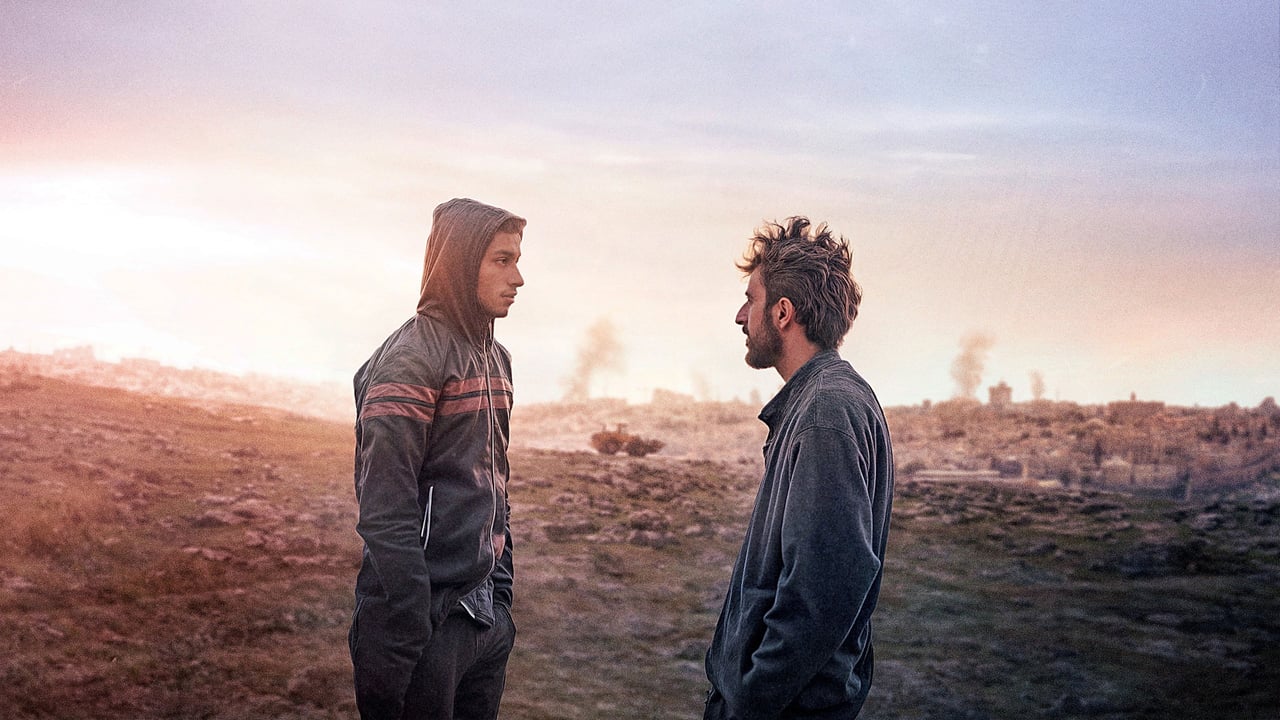
No Other Land won the 2025 Academy Award for Best Documentary Feature, the first Palestinian-Israeli documentary to take the category, alongside the Berlinale Panorama Audience Award, the Berlinale Documentary Award and the European Film Award for Best Documentary. The four-person directing collective — two Palestinian-West-Bank journalists, two Israeli activists — assembled the film from approximately five years of footage gathered between 2019 and 2023.
The Palestinian activist Basel Adra and the Israeli journalist Yuval Abraham team up to film the slow-motion destruction of Masafer Yatta, a cluster of West Bank villages in the South Hebron Hills classified by the Israeli military since the 1980s as a closed firing zone, allowing the gradual demolition of the villages' homes, schools and water infrastructure across the years. The film is constructed largely from Adra's own first-person footage of the demolitions as they took place, alongside Abraham's professional journalistic-investigative documentation. The directorial collective's joint Oscar acceptance speech at the 2025 ceremony was widely covered as one of the most-discussed acceptance moments of the year. Post-Oscar reporting on the directors' continuing physical safety, and on the West Bank communities they documented, has continued to be substantial.
4. 20 Days in Mariupol
Dir. Mstyslav Chernov · Ukraine · Ukraine's first ever Oscar
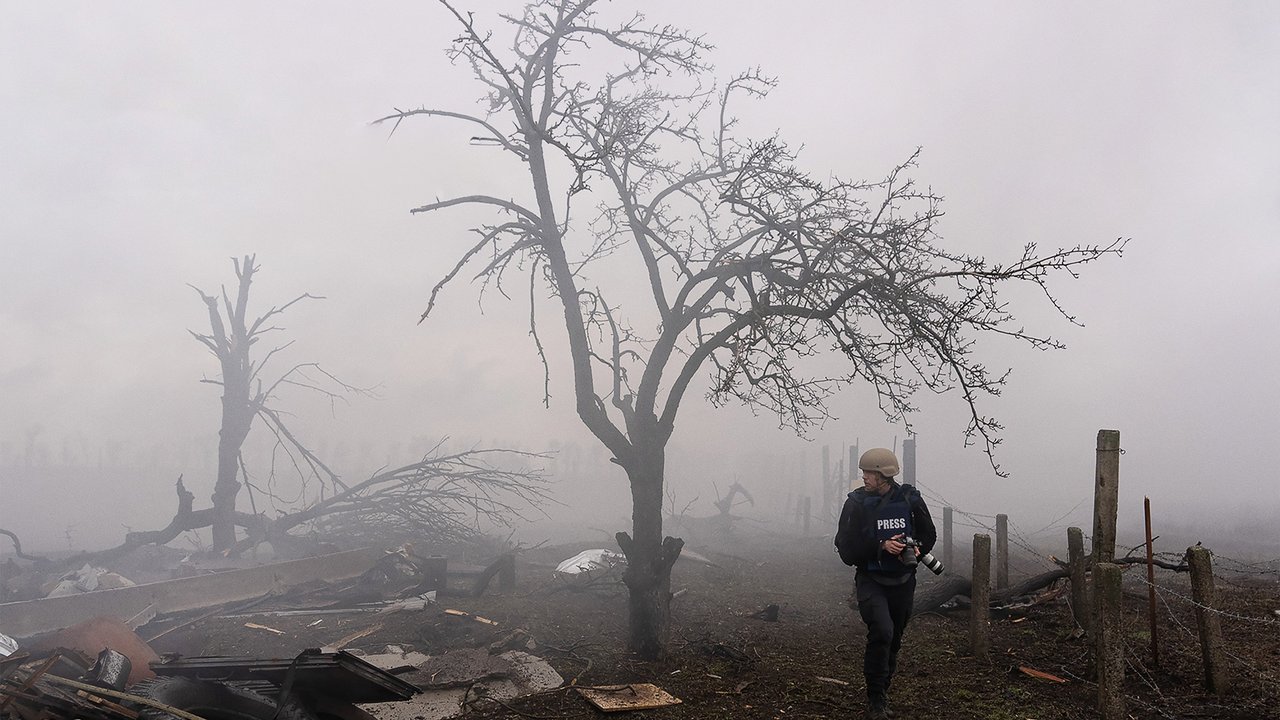
Mstyslav Chernov's 20 Days in Mariupol (2023) won the Academy Award for Best Documentary Feature in 2024, becoming Ukraine's first ever Oscar. It also won the BAFTA, the Pulitzer Prize for Public Service journalism (jointly with Chernov's Associated Press colleagues) and a Sundance audience award. Chernov dedicated the win to the people of Mariupol and, in his acceptance speech, said he wished his film had never had to be made.
When Russia's full-scale invasion began in February 2022, Chernov, photojournalist Evgeniy Maloletka and producer Vasilisa Stepanenko were the last international press team inside the besieged port city. The film is constructed almost entirely from their AP wire footage during a three-week siege: children dying in a maternity hospital strike, mass graves dug in courtyards, the destruction of the Drama Theatre, residents queueing for water as artillery shells fall around them. Chernov narrates in a Ukrainian voice-over that turns the film, against the conventions of objective journalism, into a survivor's testimony. The film's existence required Chernov and his team to smuggle hard drives past Russian checkpoints, a logistical context that gives every frame the weight of evidence preserved against the odds.
5. Fiume o Morte!
Dir. Igor Bezinović · Croatia / Italy / Slovenia · European Film Award for Best Documentary
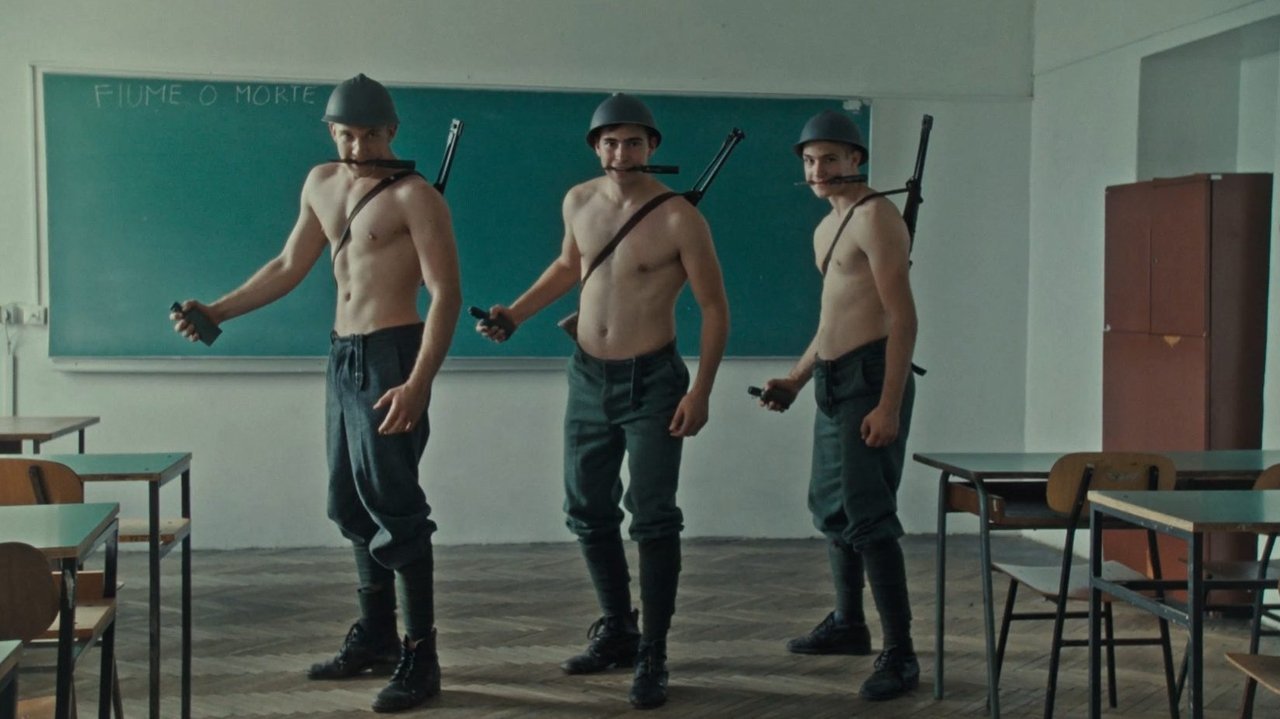
Igor Bezinović's Fiume o Morte! (2025) won the European Film Award for Best Documentary and was shortlisted for the EFA Best Film, consolidating Bezinović — after The Blockade (2012) and A Brief Excursion (2017) — as one of the most distinctive contemporary Croatian documentary filmmakers. The title quotes Gabriele D'Annunzio's 1919 occupation of Fiume, the right-wing-poet-led occupation of the Adriatic city after World War I that produced one of the early prefigurations of the Italian Fascist movement.
The film uses a local community network in the contemporary Croatian city of Rijeka (Fiume's modern name) to assemble a multi-voice portrait of how the D'Annunzio occupation has been remembered, mythologised, suppressed and re-encountered across the century since. Dozens of Rijeka residents — historians, schoolchildren, anti-fascist activists, descendants of the occupation's participants — contribute their own visualisations of the historical material. Bezinović's commitment to a register of playful-but-serious historical engagement (the film deploys re-enactments, school-classroom seminars, archive footage and contemporary city walks in alternating chapters) produced a documentary that has been compared favourably to Oppenheimer's The Act of Killing in its methodological audacity. The broader subject — how a city remembers its own fascist prehistory — has only become more relevant.
6. The Painter and the Thief
Dir. Benjamin Ree · Norway · Sundance Special Jury Award
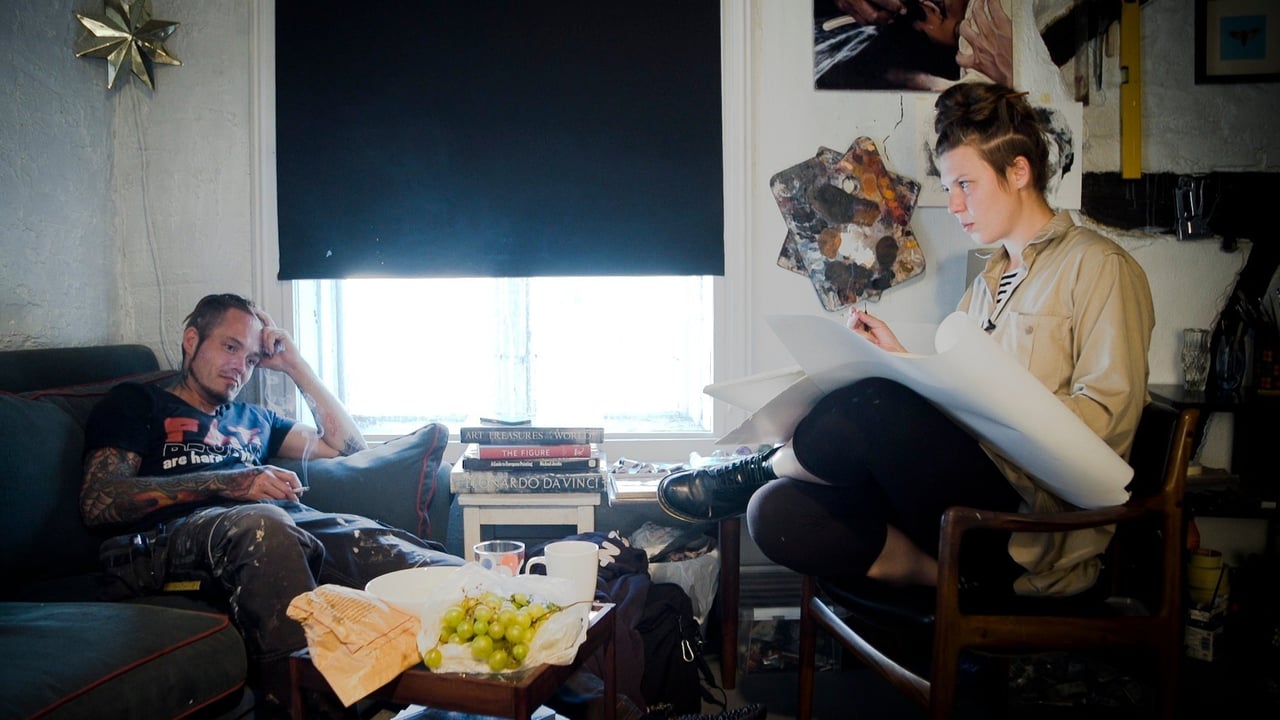
Benjamin Ree's The Painter and the Thief (2020) premiered at Sundance, where it won the World Cinema Documentary Special Jury Award for Creative Storytelling. Acquired by Neon for global distribution, it became one of the highest-profile pandemic-era documentary releases, also taking the Audience Award at the BFI London Film Festival and the Golden Firebird at Hong Kong International. The film topped multiple end-of-year best-documentary lists including the BBC's, The Washington Post's and The Boston Globe's.
The film is structured around the long working relationship between Barbora Kysilkova, a Czech hyperrealist painter who had moved to Berlin and then Oslo in the early 2010s, and Karl Bertil-Nordland, the man who had stolen two of her largest canvases from the Galleri Nobel in Oslo in April 2015. Ree, only twenty-nine when the film premiered, is the cinematographer as well as the director; the score is by the Norwegian composer Uno Helmersson. The unconventional structural decision — granting roughly equal screen time and inner life to both painter and thief, and refusing the conventional victim/perpetrator hierarchy — has been written about extensively in Sight & Sound, the academic journal Studies in Documentary Film and Roger Ebert's online archive. Ree would extend the same patient embedded-relationship method into Ibelin four years later.
7. The Remarkable Life of Ibelin
Dir. Benjamin Ree · Norway · Sundance Audience & Directing Award

Benjamin Ree's The Remarkable Life of Ibelin (2024) won both the Audience Award and the Directing Award in the World Cinema Documentary competition at Sundance, only the second Norwegian-language documentary ever to take both top prizes at a single Sundance edition. It went on to win the Peabody Award later in 2024 and was named Best Film at the Norwegian Amanda Awards. Netflix acquired it immediately after Sundance and released it globally in October 2024.
The documentary is built around Mats Steen, a young Norwegian man with Duchenne muscular dystrophy, and the parallel digital life he had been living as the character Ibelin Redmoore in the World of Warcraft online community across roughly fifteen thousand recorded hours of in-game material. Ree's editorial achievement is partly archival: the film uses the actual real-time recordings of Mats's keystrokes, voice chat and in-game character logs, animated using Blizzard Entertainment's archive material in cooperation with the studio's licensing arm. Mats's parents Robert and Trude Steen, his sister Mia, and the European World of Warcraft guild Starlight all participated extensively. The film has been widely cited in academic discussions of online community formation and disability advocacy, and triggered substantial mainstream coverage of the wider question of meaningful digital relationships across geographic and physical boundaries.
8. Riefenstahl
Dir. Andres Veiel · Germany · EFA Best Documentary shortlist
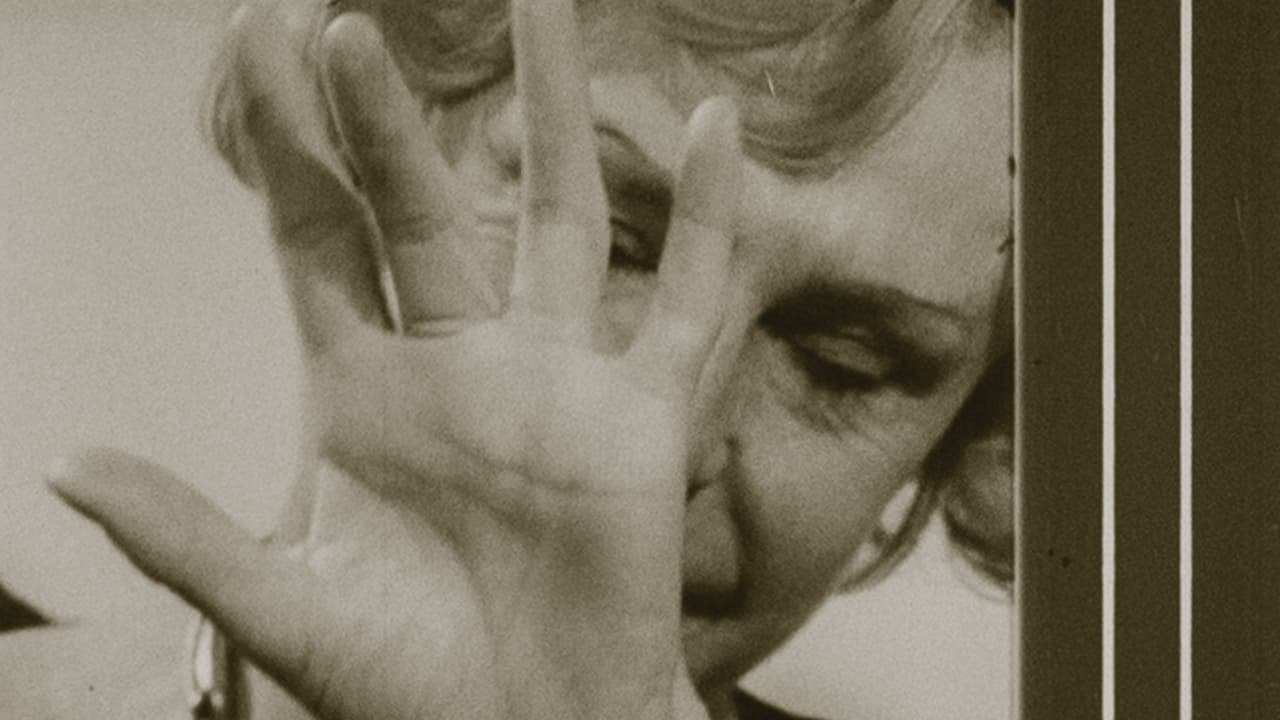
Andres Veiel's Riefenstahl premiered at Venice in 2024 and went on to wide festival circulation through 2025, including the European Film Awards' Best Documentary shortlist and a Lola nomination in the same category. The film was co-produced by ZDF and Arte and built on a remarkable archival find: the personal estate of Leni Riefenstahl, opened to researchers after the death of her companion Horst Kettner in 2016 and acquired by the Berlin-based Sandra Maischberger production company, which retained Veiel — the documentarist behind Black Box BRD and Beuys — to shape it into a film.
The estate consists of approximately seven hundred boxes of correspondence, calendars, photographs, audio tapes, home video and film negatives spanning a century. Veiel and editor Stephan Krumbiegel construct the film almost entirely from this material, with no on-camera interviews and no traditional narration. The result was widely treated as one of the most ethically careful documentary portraits of a Nazi-era figure since Claude Lanzmann's late work, drawing comparisons in Sight & Sound, Cahiers du Cinéma and The Guardian. The film also won the Petra Kelly — Act Now! Award at the German Film Awards, an additional prize given for documentary work of public-interest significance.
9. For Sama
Dir. Waad al-Kateab & Edward Watts · UK / Syria · Cannes L'Œil d'or
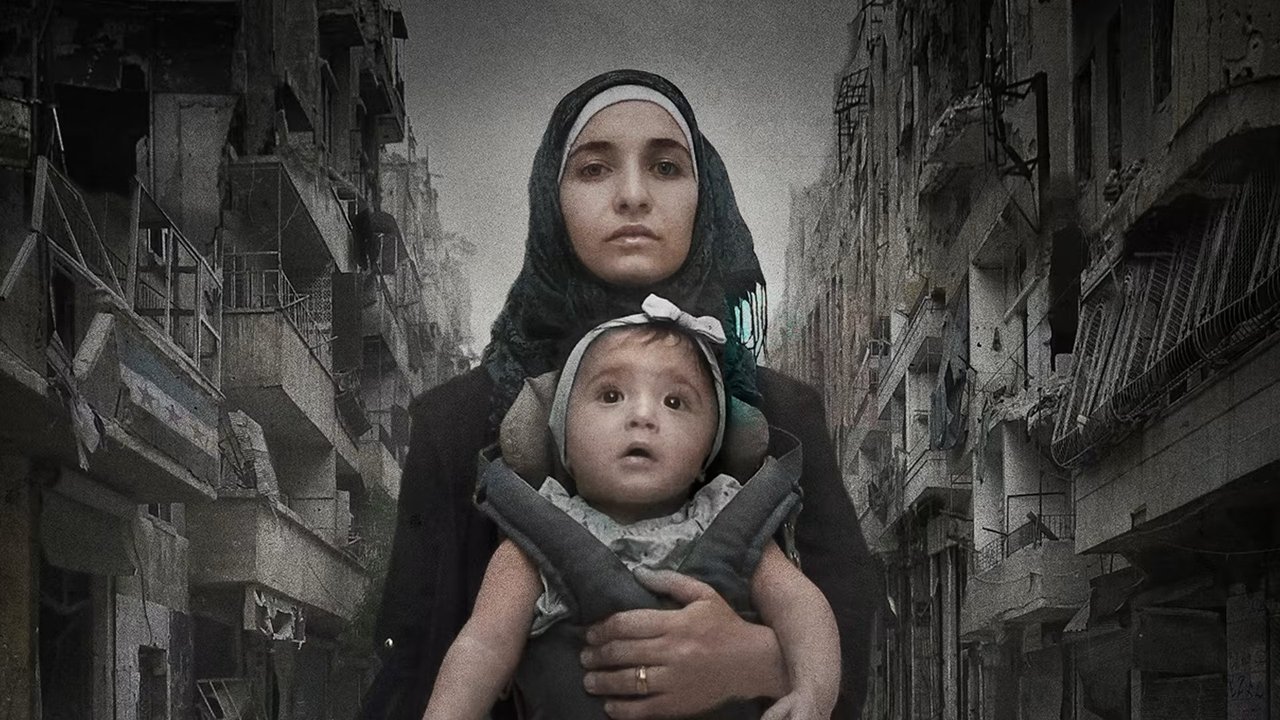
Waad al-Kateab and Edward Watts's For Sama (2019) won the L'Œil d'or for Best Documentary at Cannes and the BAFTA for Best Documentary the following year. It also received an Academy Award nomination and the European Film Award for Best Documentary. Al-Kateab, a young woman who had been documenting the Syrian uprising in besieged Aleppo since 2011, assembled the film from over five hundred hours of personal footage shot during the five years she lived through the siege of Eastern Aleppo.
The film is structured as a letter to her infant daughter Sama, born during the siege, explaining the city al-Kateab and her doctor husband Hamza had decided to remain in even as it was bombed across the years 2012-2016. The footage moves between the small Aleppo hospital where Hamza worked — one of the last functional medical facilities in the city — and the family's domestic life, including the wedding al-Kateab and Hamza had during the siege. Al-Kateab's commitment to keeping the camera running through hospital trauma, family intimacy and bombardment produced a body of footage whose ethical and emotional weight has been written about extensively. The film is one of the most-cited works of war-witness documentary of the 2010s, and has continued to be paired with 20 Days in Mariupol in critical writing as the form's two recent reference points.
10. Collective
Dir. Alexander Nanau · Romania · Double Oscar nominee
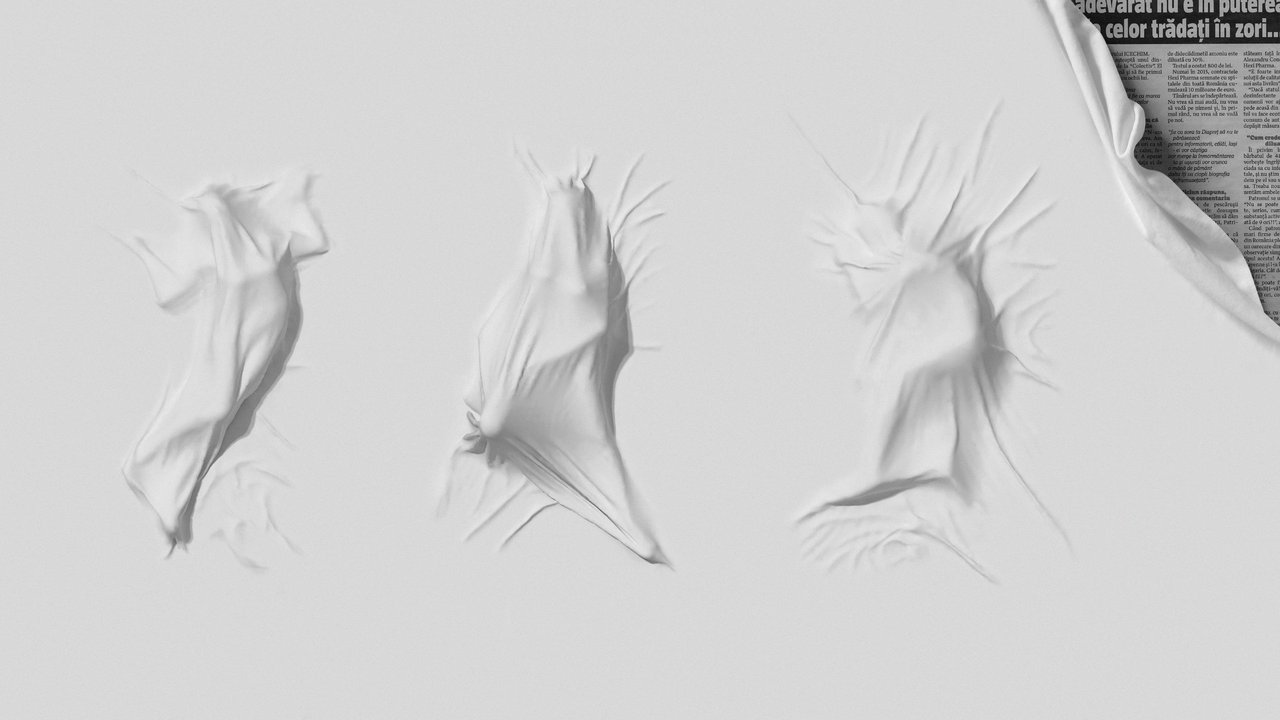
Alexander Nanau's Collective (Colectiv, 2019) was nominated for two Academy Awards in 2021 — Best Documentary Feature and Best International Feature — becoming the first Romanian film ever to receive a nomination in the latter category. It also won the European Film Award for Best Documentary and the LUX Audience Award. The documentary follows the journalists at the Romanian sports newspaper Gazeta Sporturilor as they investigate corruption in the Romanian healthcare system following the October 2015 Colectiv nightclub fire in Bucharest, in which sixty-four people died — twenty-seven on the night and thirty-seven from infections contracted afterwards in Romanian hospitals.
The newspaper's investigation, led by sports editor Cătălin Tolontan and reporters Mirela Neag and Răzvan Lutac, eventually exposed a sustained scheme by the Hexi Pharma company to dilute hospital disinfectants below clinically effective concentrations. Nanau and his small crew followed the journalists' work in real time, with the unusual access that became the film's foundational craft. A parallel thread follows Vlad Voiculescu, the new technocratic Health Minister appointed in the wake of the political fallout, attempting to reform the system from inside while the journalists continued reporting from outside. Collective is the closest thing recent European documentary has produced to an All the President's Men for the 21st century.
A Form Coming Into Its Own
What is striking, reading these ten films as a body of work, is how often the formal choice is the political one. Oppenheimer chooses re-enactment because indictment would have shut his subjects' mouths; Rasmussen chooses animation because the cost of recognition for his subject is real; the No Other Land collective chooses joint authorship because no single one of them could have shot what the four of them collectively shot; Chernov chooses first-person Ukrainian voice-over because the AP wire's English-language objectivity would have falsified the experience; Veiel chooses to refuse interviews because letting Riefenstahl speak through her own archive is the only honest way to handle her century-long self-curation.
The infrastructure that makes these choices possible — the European Film Awards documentary category, the Berlinale documentary strand, IDFA, CPH:DOX, Cannes L'Œil d'or, the streaming partnerships with MUBI, Neon, Netflix and ARTE — has matured to the point where ambitious non-fiction work has somewhere to go. The result is a body of filmmaking that has, over the past fifteen years, produced as much consequential cinema as any other strand of European production.
For more in this vein, see our round-up of the 10 Must-Watch European War Films, where 20 Days in Mariupol and For Sama would also feel at home. If Riefenstahl caught your attention, our 10 Must-Watch German Films of 2025 places it among the year's most consequential German releases. And for a broader picture of the year that gave us No Other Land, see our 10 Must-Watch European Films of 2024.
For a national cinema where documentary and fiction blur especially productively, see our 10 Must-Watch Romanian Films for Collective.
Two of the four filmmakers behind No Other Land, Yuval Abraham and Rachel Szor, returned in 2026 with NAZA, the only documentary in competition at Venice and the winner of its Special Jury Prize. See our Venice 2026 Winners List.