From a Palme d'Or-winning body horror to a wordless animated Oscar miracle, 2024 was the year European cinema reached for bigger subjects and refused to flinch.
2024 may come to be remembered as the year European cinema rediscovered its appetite for scale. A Hungarian-Jewish architect in postwar America. A Mexican cartel boss who becomes a woman in a Spanish-language musical. An Iranian judge whose pistol goes missing during the streets of Tehran. A black cat adrift on a rising sea. These are not small films, neither in length nor in ambition, and the festival circuit and awards season responded in kind.
Coralie Fargeat won the Cannes screenplay prize for The Substance; Brady Corbet took the Venice Silver Lion for The Brutalist; Pedro Almodóvar finally won the Golden Lion after four decades of work; Mohammad Rasoulof escaped Iran on foot to present The Seed of the Sacred Fig; and Latvia's Gints Zilbalodis won his country's first ever Oscar with a dialogue-free animation made in Blender. By March 2025, European productions had picked up Academy Awards for Best Actor, Best Animated Feature, Best Cinematography, Best Original Score, Best Adapted Screenplay, Best Supporting Actress, Best Original Song, and Best Makeup and Hairstyling.
Here are the ten European films of 2024 that we believe will define how the year is remembered.
1. The Substance
Dir. Coralie Fargeat · France / UK · Body Horror · Cannes Best Screenplay

Coralie Fargeat's second feature took the Best Screenplay prize at Cannes 2024, won Demi Moore the Golden Globe for Best Actress, and earned five Academy Award nominations including Best Picture and Best Director. Fargeat then became the first French woman to win the directing César since Tonie Marshall a quarter-century earlier. Demi Moore plays an ageing television fitness star who buys a black-market serum that creates a younger, perfect duplicate of herself (Margaret Qualley), the two selves obliged to swap consciousness on a strict weekly schedule.
Shot in France and the UK by Benjamin Kračun (the cinematographer behind Saltburn), the film operates as a body-horror satire of Hollywood's contempt for ageing women, and was made on a budget of roughly $18 million. The prosthetics work by Pierre-Olivier Persin and Marilyne Scarselli won the Oscar for Best Makeup and Hairstyling and was the most-discussed individual craft achievement of the awards season. Moore, whose career had quietened in the preceding decade, was widely cited as reactivated by the role; the casting was Fargeat's deliberate use of the film's central conceit in real time.
2. The Brutalist
Dir. Brady Corbet · UK / Hungary / US · Period Drama · Venice Silver Lion
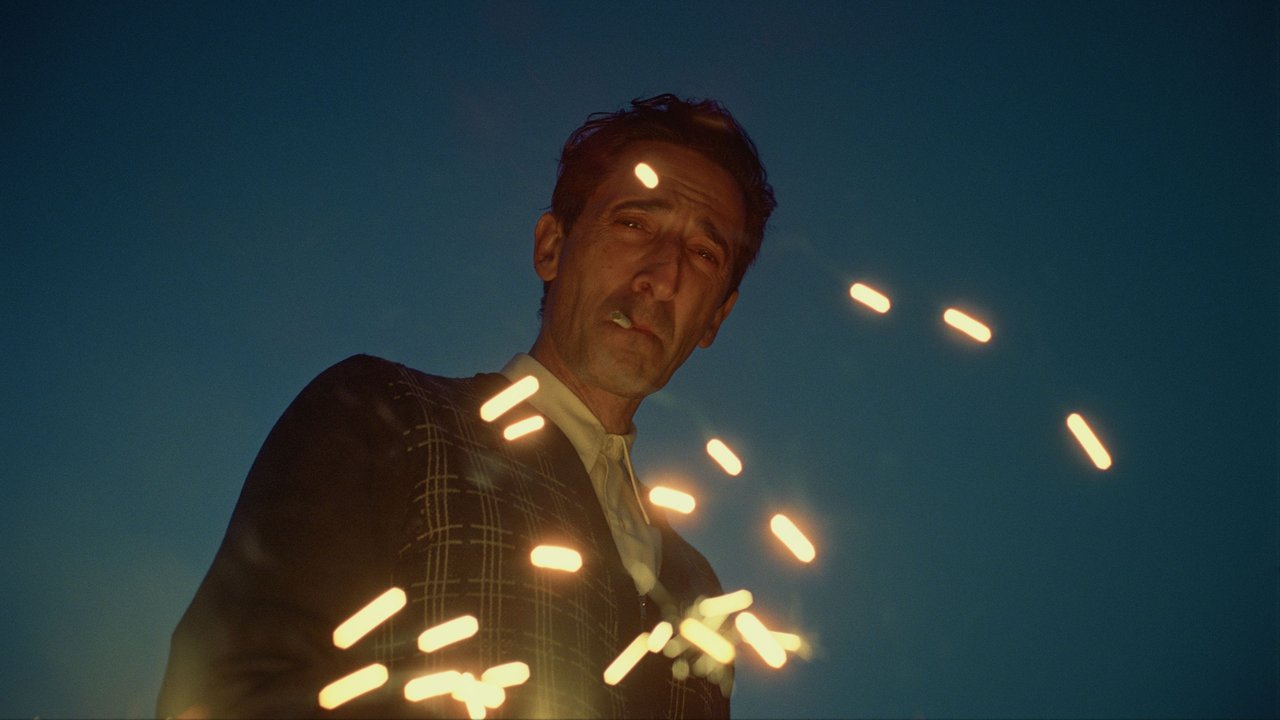
Brady Corbet's third feature, co-written with Mona Fastvold, runs 215 minutes including a 15-minute intermission, was shot on VistaVision (largely in Hungary on a famously modest budget), and won the Silver Lion for Best Director at the 81st Venice International Film Festival. It went on to receive ten Academy Award nominations and won three: Best Actor for Adrien Brody, Best Cinematography for Lol Crawley, and Best Original Score for Daniel Blumberg, who wrote for orchestra and prepared piano.
Brody plays László Tóth, a fictional Bauhaus-trained Hungarian-Jewish architect and Holocaust survivor who arrives in post-war Pennsylvania and is commissioned by a wealthy industrialist, Harrison Lee Van Buren (Guy Pearce), on a vast civic project, while waiting to be reunited with his wife Erzsébet (Felicity Jones). The film's mid-century typography and intermission card consciously evoke the long-form American epics of the 1950s. Critical response was unusually strong for a 21st-century mid-budget feature: the AFI placed it on its Top 10 of 2024, it dominated the Golden Globe drama categories, and Corbet took the BAFTA for Best Director.
3. Emilia Pérez
Dir. Jacques Audiard · France · Musical / Crime · Cannes Jury Prize
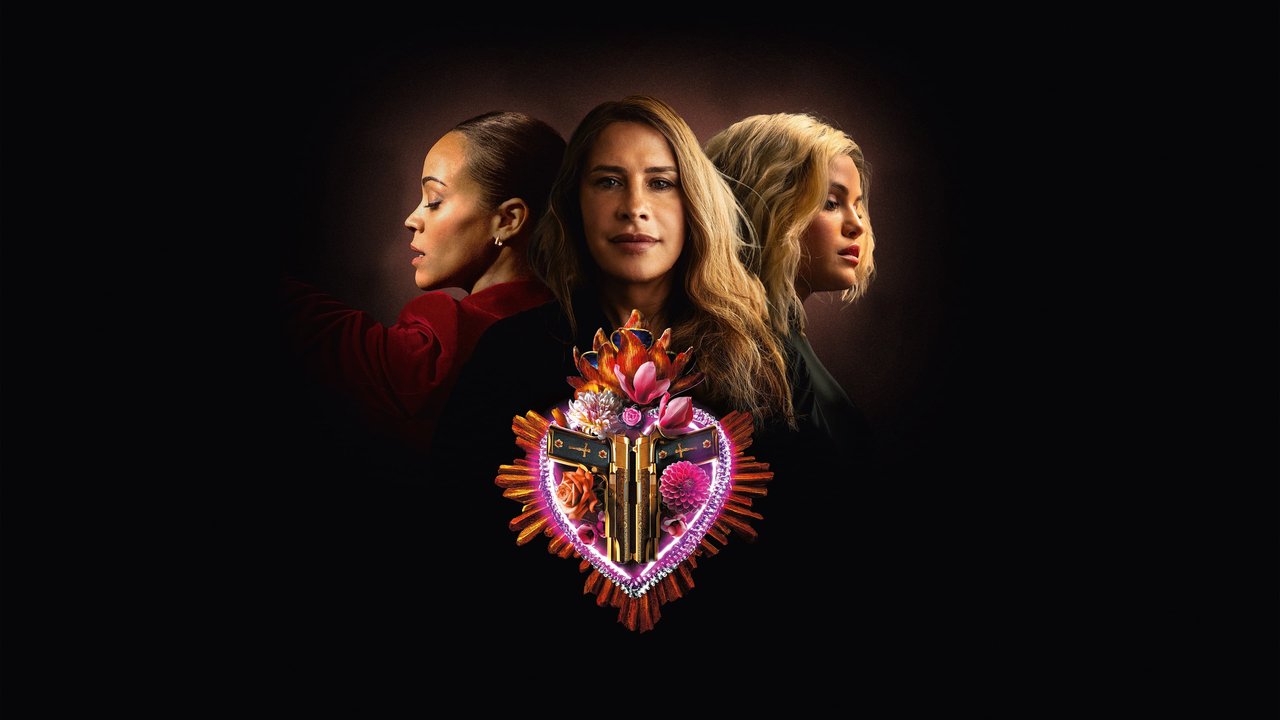
Jacques Audiard's Emilia Pérez opened at Cannes 2024 and won three prizes there, including the Jury Prize and a shared Best Performance award for the four-woman ensemble of Karla Sofía Gascón, Zoe Saldaña, Selena Gomez and Adriana Paz. The film went on to thirteen Academy Award nominations, winning two (Best Supporting Actress for Saldaña and Best Original Song), and took Best Film and Best Director at the European Film Awards. A Mexican cartel boss enlists an overlooked Mexico City lawyer to organise a faked death and a transition, and emerges as Emilia Pérez. Years later, she tries to step back into the family she left behind.
The film is a Spanish-language musical-thriller shot on Paris soundstages, with original songs by composer Clément Ducol and singer-songwriter Camille. Audiard's structural ambition (cartel thriller, musical, gender-identity drama, procedural) produced one of the most argued-about films of the year, with substantial political controversy in Mexico over its representation of cartel violence and in the US over Saldaña's casting. Saldaña's central performance is the film's broadest critical-consensus achievement, and was widely cited as her career best.
4. Conclave
Dir. Edward Berger · UK / US · Drama / Thriller · Oscar Best Adapted Screenplay
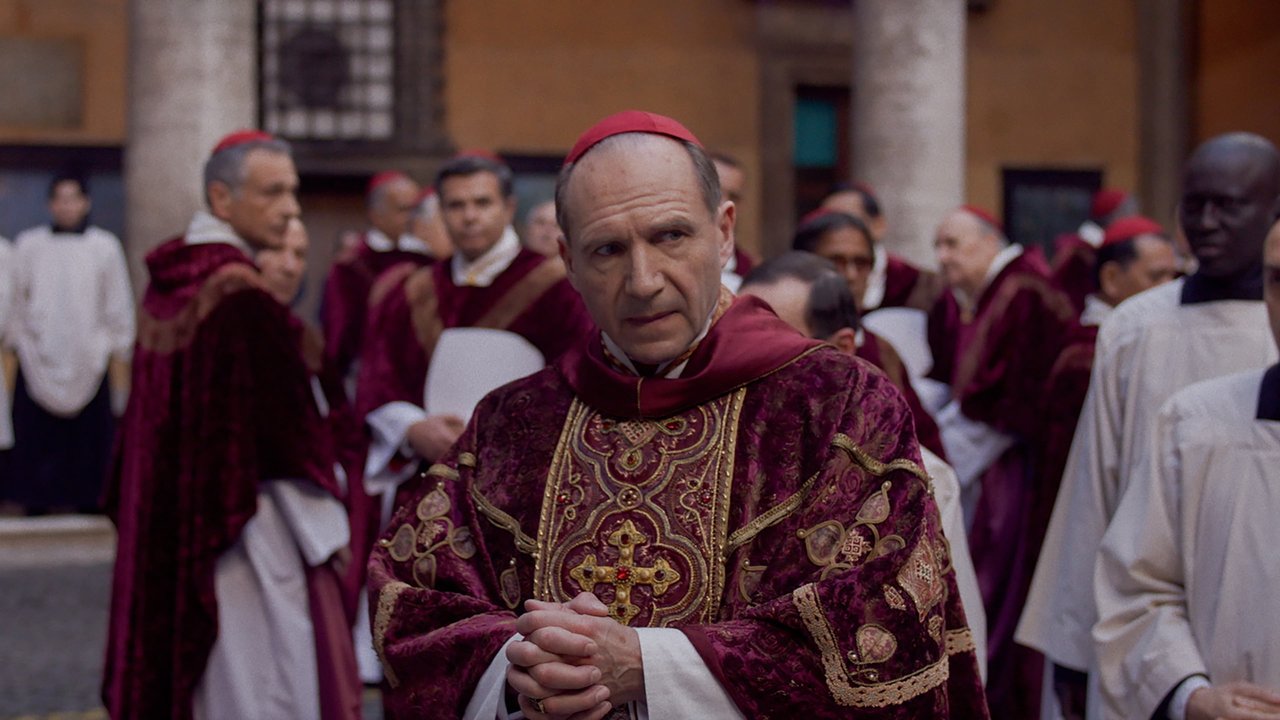
Edward Berger's follow-up to All Quiet on the Western Front won the Academy Award for Best Adapted Screenplay (Peter Straughan, adapting Robert Harris's 2016 novel) and the BAFTA for Best Film. When the Pope dies, Cardinal Lawrence (Ralph Fiennes), Dean of the College of Cardinals, convenes the secretive election inside the Sistine Chapel among the candidates expected to succeed him; tensions surface as hidden conflicts come to light. Stanley Tucci plays the American liberal cardinal Bellini; John Lithgow the Canadian conservative Tremblay; Isabella Rossellini the senior nun Sister Agnes.
The film operates as an institutional-politics procedural rather than as religious-doctrinal drama, and consolidated Berger's English-language Hollywood reputation after his German-language Oscar success. Stéphane Fontaine's photography of the Sistine Chapel interiors and the Casa Santa Marta dormitory (the latter built at Cinecittà rather than the Vatican) produced one of the most distinctive recent religious-institutional period registers, and Fiennes delivers one of his most quietly distinguished performances in over a decade. A textbook example of grown-up, intelligent prestige cinema.
5. The Seed of the Sacred Fig
Dir. Mohammad Rasoulof · Germany / Iran / France · Political Thriller · Oscar Nominee
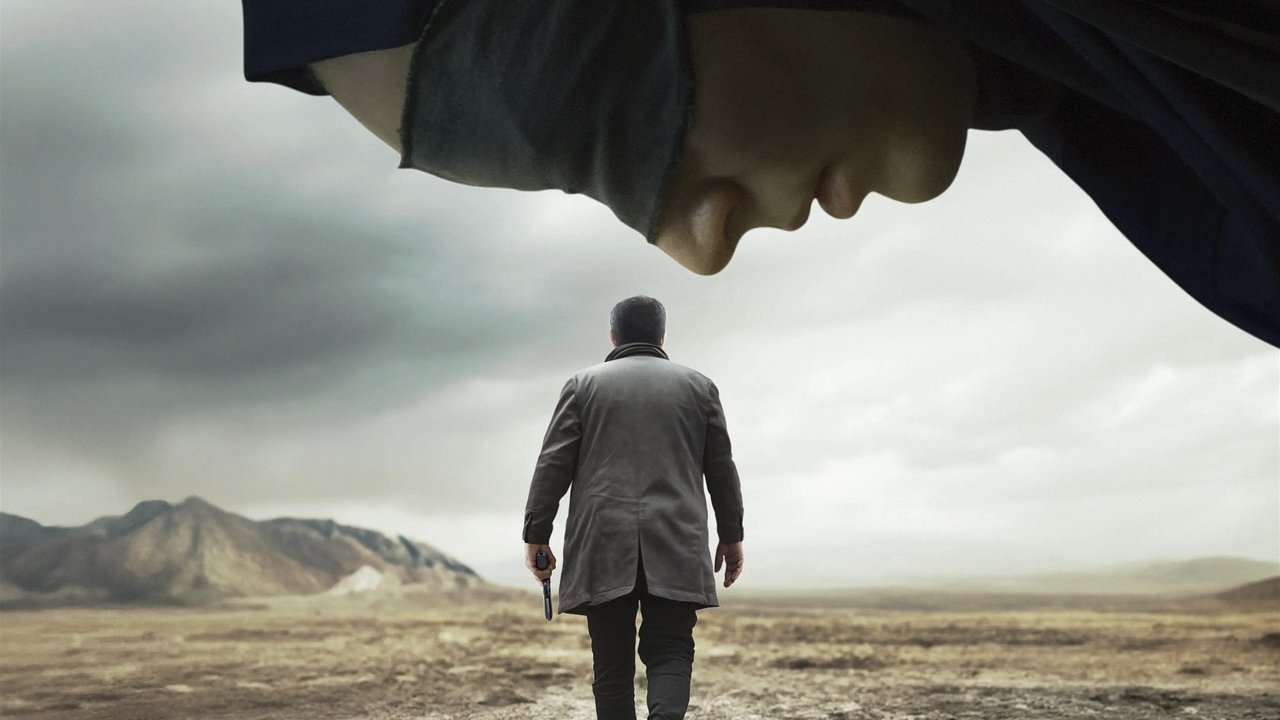
Mohammad Rasoulof's The Seed of the Sacred Fig premiered at Cannes 2024 and won a Special Award; in Germany the film won the Lola for Best Film (Silver) and Best Actor for Missagh Zareh, and earned an Academy Award nomination for Best International Feature Film. The film was shot in secret in Iran, in defiance of Rasoulof's existing eight-year prison sentence; the director himself fled the country on foot through mountainous border country before the Cannes premiere.
Iman (Zareh), a long-serving lawyer in Tehran's Revolutionary Court, is promoted to investigating judge, a position requiring him to sign execution orders for protesters. His government-issued service pistol then disappears from inside the family home during the 2022 Mahsa Amini protests, and his paranoia turns on his wife Najmeh and their two daughters. The film moves between domestic claustrophobia and inserted protest-mobile-phone footage, operating at once as a domestic thriller, a political allegory, and a real-time act of witness. The most morally consequential European co-production of the year, and a film whose existence was an act of courage by everyone involved.
6. Vermiglio
Dir. Maura Delpero · Italy · Period Drama · Venice Silver Lion
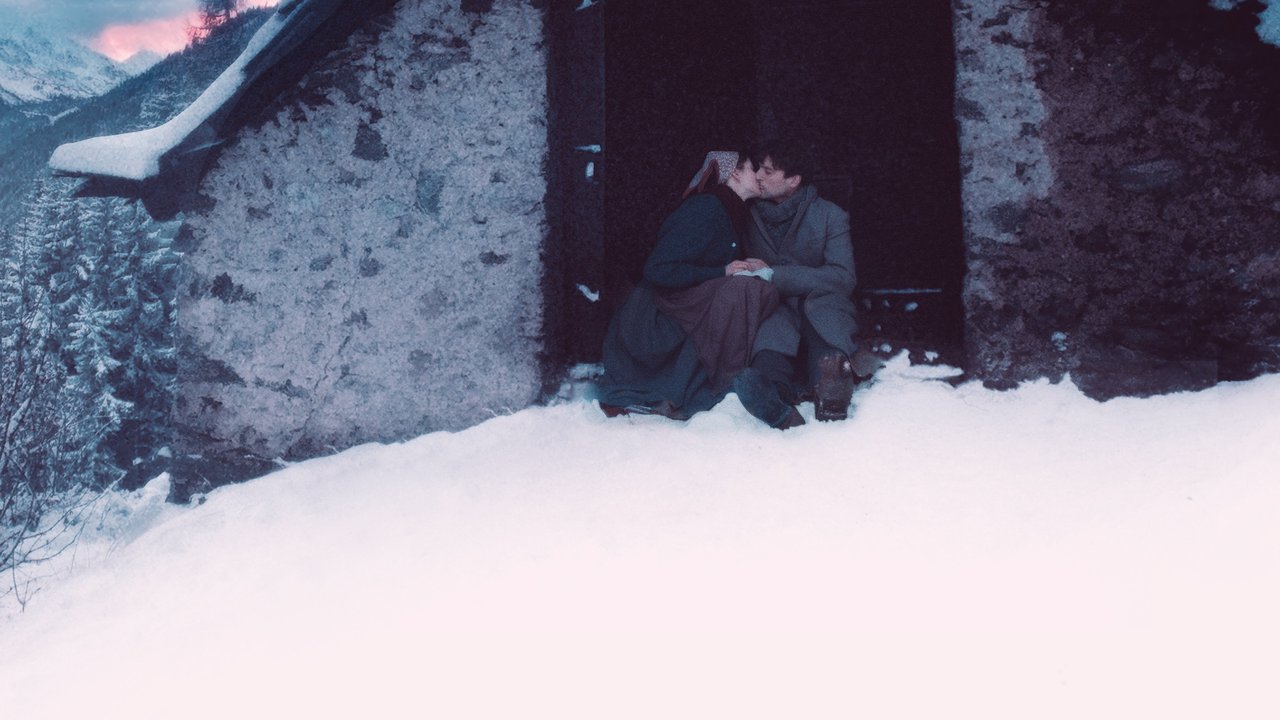
Maura Delpero's Vermiglio took the Silver Lion (the Grand Jury Prize) at the 81st Venice International Film Festival, the festival's second-highest honour, and was Italy's official submission for the Academy Awards' Best International Feature category, making the December 2024 shortlist of fifteen. Set in an isolated Alpine village during the final winter of the Second World War, a large Catholic family shelters a pair of Italian army deserters; when one of the soldiers falls for the eldest daughter and they marry, the modern world begins to intrude on a community that has held the same shape for generations.
The cast is composed almost entirely of non-professional actors recruited from the actual village of Vermiglio in the Trentino region (Delpero's family's place of origin) and the surrounding Val di Sole communities, with the local Solandro dialect preserved on screen and subtitled. Cinematography is by Mikhail Krichman, the Russian DP best known for his long collaboration with Andrey Zvyagintsev (Leviathan, Loveless), an unusual production decision that drew significant attention to the film's distinctive Alpine winter visual register. A patient, exquisitely photographed second feature from one of the most welcome debut voices of the year.
7. Flow
Dir. Gints Zilbalodis · Latvia / France / Belgium · Animation · Oscar Best Animated Feature
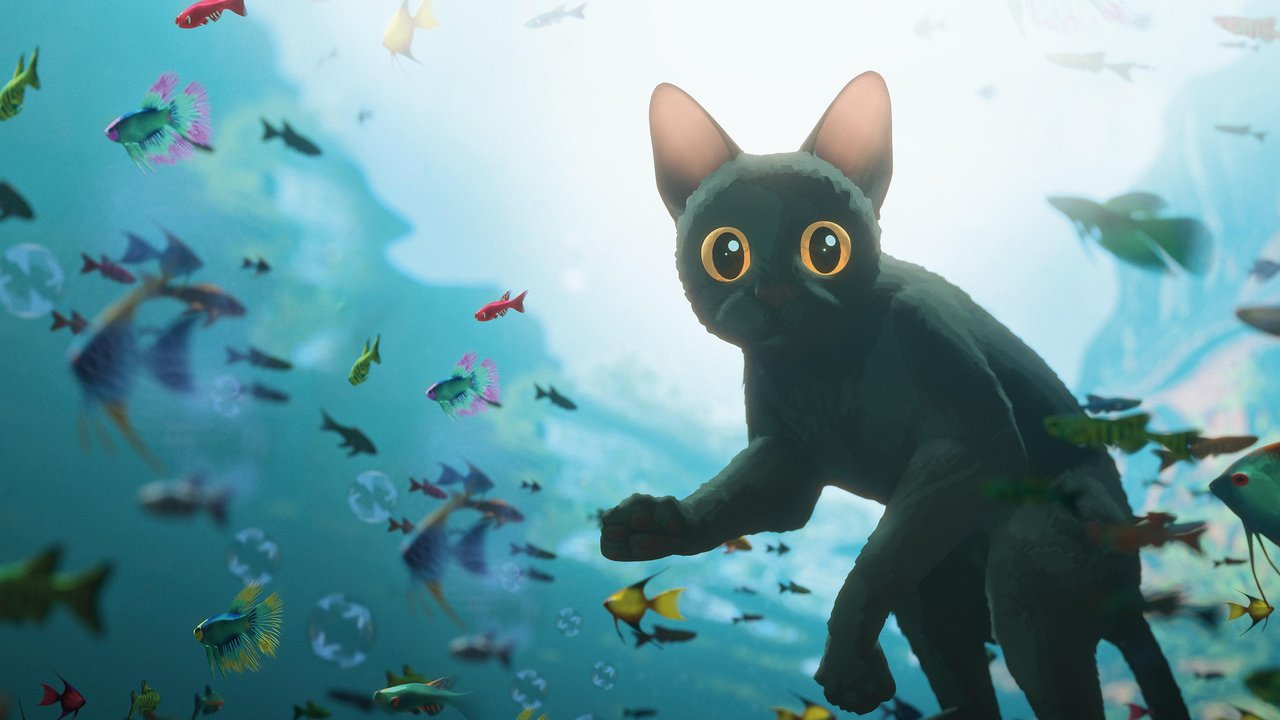
Gints Zilbalodis's Flow (Straume) won the Academy Award for Best Animated Feature in 2025, becoming Latvia's first ever Oscar and, more remarkably, the first dialogue-free animated feature ever to win the category. The film also took the Golden Globe in the same category and was nominated for Best International Feature Film. Zilbalodis made the film over five years on a budget of roughly €3.7 million, partly using the free open-source animation software Blender.
A solitary black cat in a flooded world is forced onto a small unmoored sailing boat with a slowly accumulating crew of equally stranded animals (a labrador, a capybara, a secretary bird, a ring-tailed lemur) as the water keeps rising. There are no human characters, no dialogue, and no anthropomorphic-speech translation. The animals communicate, when they do, through animal sounds. Rihards Zaļupe and Zilbalodis's score, structured around a recurring orchestral theme that operates as the film's quasi-narrative voice, is among the most beloved animated soundtracks of recent years, and the film has become a permanent reference point in any subsequent discussion of independent European animation's commercial possibilities.
8. Kneecap
Dir. Rich Peppiatt · Ireland / UK · Comedy / Music · Sundance Audience Award
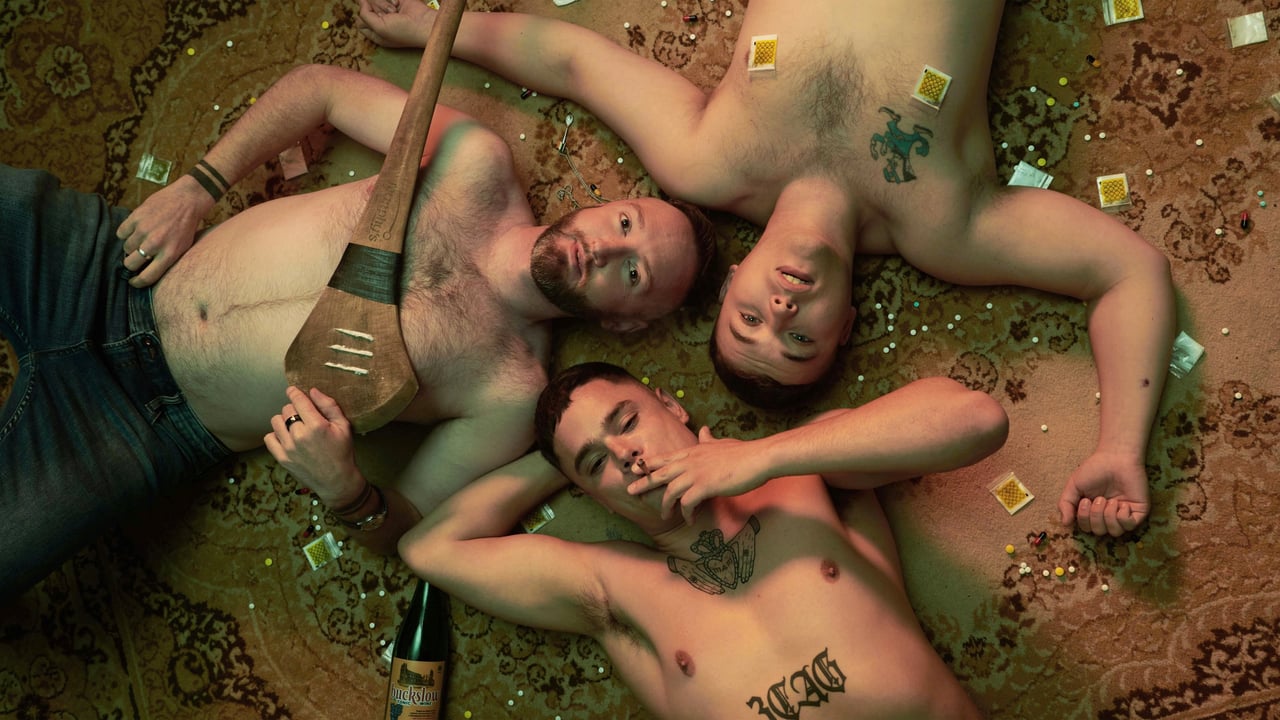
Rich Peppiatt's Kneecap won the Audience Award (World Cinema Dramatic) at Sundance 2024, took the BAFTA for Outstanding Debut by a British Writer/Director/Producer the following year, and earned an Academy Award nomination for Best International Feature Film, becoming one of the most internationally consequential Irish-language productions of recent years. The film features the actual Kneecap rap trio (Móglaí Bap, Mo Chara, and DJ Próvaí) playing fictionalised versions of themselves, with Michael Fassbender as Mo Chara's father.
Three Belfast kids turn their lives, drugs, and republican swagger into a hip-hop trio rapping primarily in the Irish language. The film tells a fictionalised origin story across a year in West Belfast, with subsequent run-ins with the music industry, the Northern Ireland Police Service, the Irish-language activist community, and the broader political-cultural environment of late-2010s Belfast. Gleefully irreverent about Irish-republican history, deliberately provocative about Northern Irish identity politics, and sustained in actual Irish language for substantial sequences: a film that is funny, generous, and a manifesto for a language revival nobody saw coming.
9. Small Things Like These
Dir. Tim Mielants · Ireland / Belgium · Drama · Berlinale Opening Film
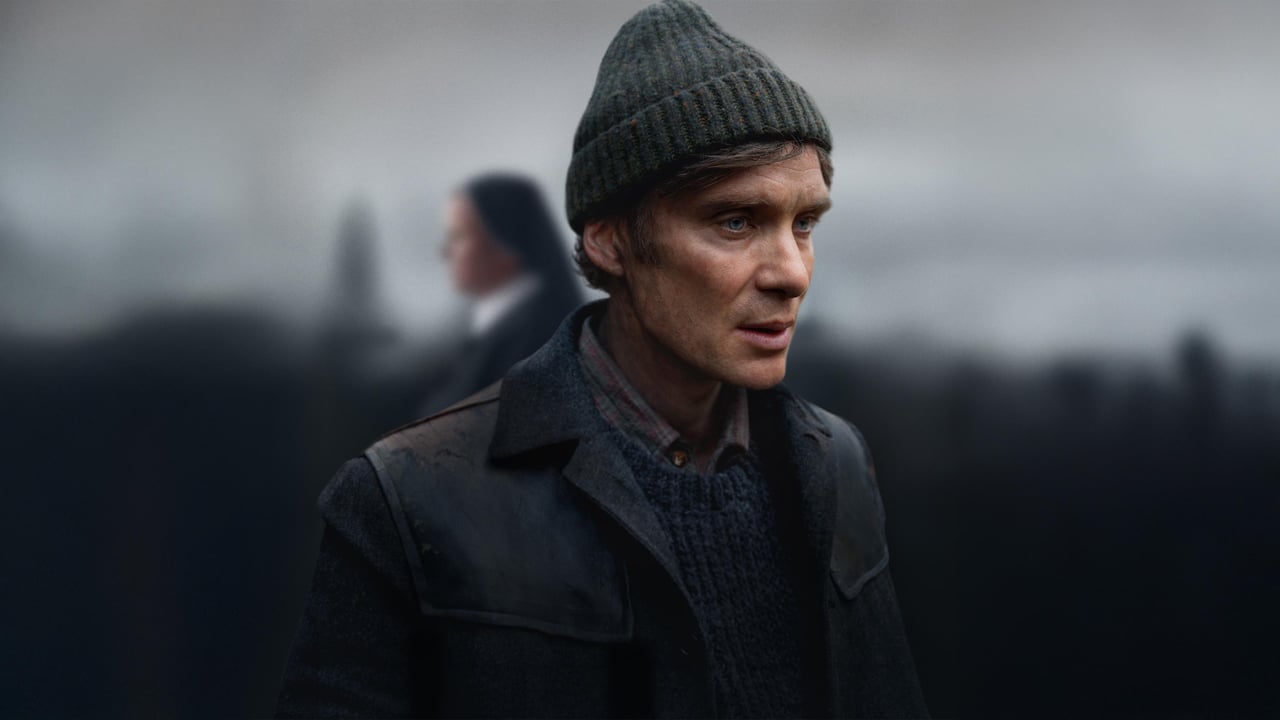
Tim Mielants's Small Things Like These opened the 2024 Berlinale, the first Irish film ever to receive the festival-opening slot, and earned Emily Watson the Silver Bear for Best Supporting Performance. Adapted by Enda Walsh from Claire Keegan's slim 2021 novella (Booker-shortlisted, translated into over thirty languages), the film stars Cillian Murphy in his first project after winning the Academy Award for Oppenheimer. Set in 1985, a New Ross coal merchant discovers something at the local convent and must reckon with what he has seen.
The film engages with the institutional cruelty of the Magdalene laundries, the Catholic-run workhouses for unmarried mothers and other women that operated in Ireland from the eighteenth century until 1996. The Irish state issued a formal apology in 2013 following the McAleese Report; this film is now widely cited, alongside The Magdalene Sisters and Philomena, as one of the major narrative engagements with the subject in cinema. A muted, morally weighted miniature, with Murphy carrying the film almost entirely in glances.
10. The Room Next Door
Dir. Pedro Almodóvar · Spain · Drama · Venice Golden Lion
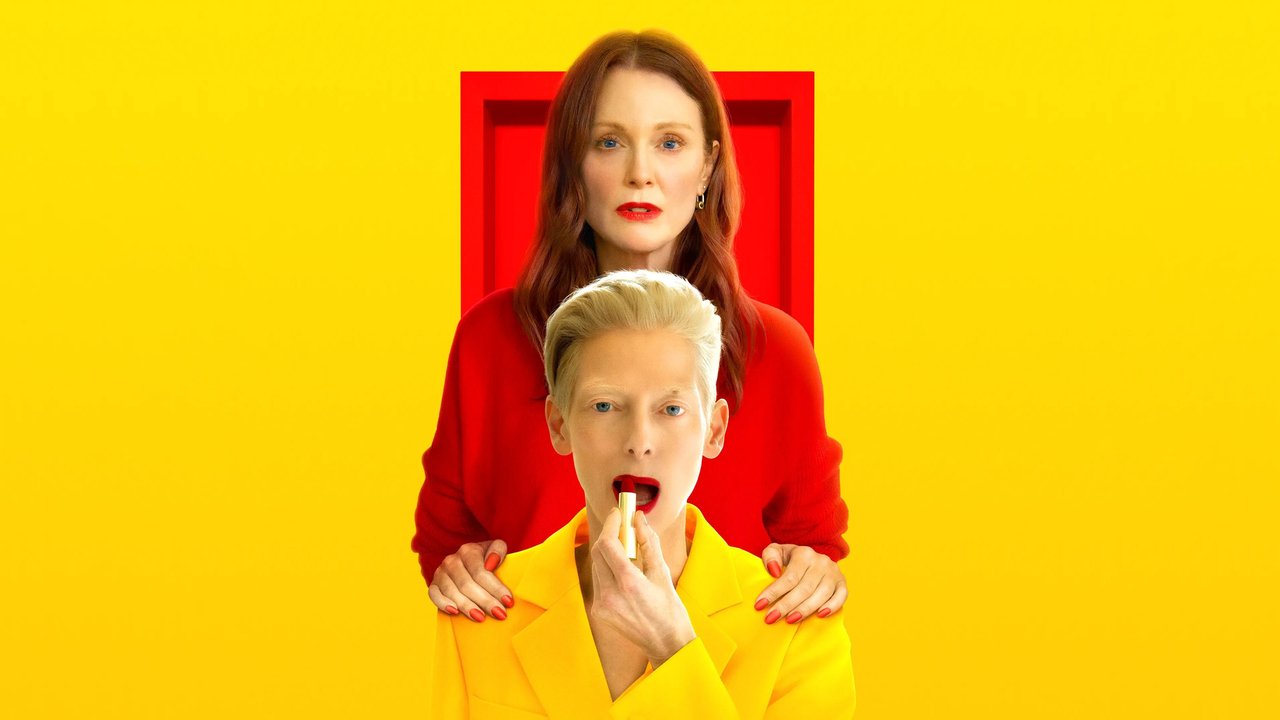
Pedro Almodóvar's The Room Next Door (Spanish: La habitación de al lado) won the Golden Lion at the 81st Venice International Film Festival, the first time Almodóvar had taken the Venice top prize after over forty years of work, and his first English-language feature to compete in any major festival's main competition. It went on to an Academy Award nomination for Best International Feature. Adapted from Sigrid Nunez's 2020 novel What Are You Going Through, the film pairs Tilda Swinton as Martha, a war correspondent facing terminal cancer, with Julianne Moore as Ingrid, the friend she has drifted from over the years and asks for company as she contemplates her own departure.
Almodóvar had prepared for the English-language transition through two short films, The Human Voice (2020) with Swinton and Strange Way of Life (2023) with Pedro Pascal and Ethan Hawke. The screenplay is his own; cinematography is by Eduard Grau and the score by Alberto Iglesias, his collaborator of over thirty years. Almodóvar has spoken about the film as an extension of the late-period meditation on ageing and friendship he began with Pain and Glory in 2019: tender, formally measured, and carried by two performances that need no raised voice to land.
The Year European Cinema Reached for Bigger Subjects
What connects these ten films is a willingness to take on subjects that earlier generations might have left to documentary, or to American studio epic, or to no one at all. The Magdalene laundries. State-imposed cruelty under the Islamic Republic. Trans identity inside a Spanish-language musical. The Holocaust survivor reckoning with the postwar American dream. Hollywood's contempt for ageing women. Assisted dying as an act of friendship. None of these are easy commercial pitches, and most of them would have been told as smaller, quieter films a decade ago. In 2024 they were told at scale, with stars, and on the world's biggest festival stages.
The year's other surprise was that Europe's most beloved film by some distance had no dialogue at all. Flow's journey from a tiny Latvian production made in free software to a Golden Globe, an Oscar, and a permanent place in the canon of independent animation was the most quietly revolutionary story of the awards season, and the clearest indication that audiences were ready for European cinema to be ambitious about form as well as subject.
If you watch only one of these films, make it whichever subject you'd most like to be argued with about. 2024 was a year in which European cinema treated its audience as adults; the favour is worth returning.
For more in this vein, see our companion guide to the 10 Must-Watch European Films of 2025, the festival cycle that followed in our recap of Every Cannes 2026 Winner You Need to See, and our guide to 10 Must-Watch Polish Films, which traces some of the Central European traditions that fed into The Brutalist.