Twenty years of the Romanian New Wave — long takes, no music, and some of the most morally serious filmmaking anywhere in Europe.
In 2005 a Romanian film about an old man being driven between hospitals won a prize at Cannes. Two years later another Romanian film won the Palme d'Or. Within a decade, a country with almost no film industry and a barely functioning distribution network had produced the most coherent and admired national movement in European cinema since the French New Wave.
The house style is austere and instantly recognisable: real time, long static or handheld takes, natural light, overlapping speech, no score whatsoever. What it produces is not misery but scrutiny — an unblinking attention to how ordinary people negotiate a state that does not work, and how much of the compromise is voluntary. It is also, more often than its reputation allows, extremely funny.
1. 4 Months, 3 Weeks and 2 Days (2007)
Dir. Cristian Mungiu · Romania · Drama
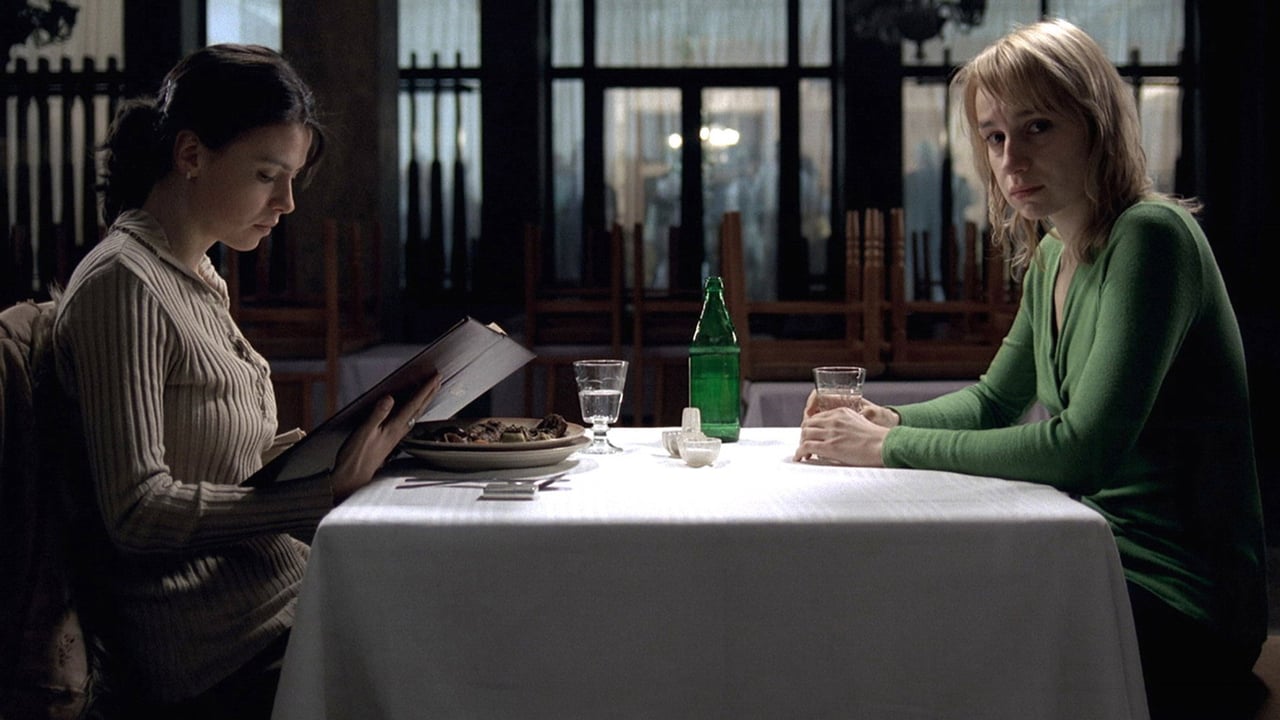
Bucharest, 1987, in the last years of Ceaușescu. Otilia helps her university roommate Găbița arrange an illegal abortion: booking a hotel room, finding the money, meeting the man who has agreed to do it. The film covers roughly one day.
Mungiu won the Palme d'Or with this, the first Romanian film to take it, and it remains the defining work of the Romanian New Wave. It is shot in long static takes with no score, and its most famous sequence is a dinner party Otilia has to sit through while her mind is entirely elsewhere — a scene held for so long that the ordinariness becomes intolerable. Anamaria Marinca is remarkable. It also won Best Film and Best Director at the European Film Awards.
2. The Death of Mr. Lăzărescu (2005)
Dir. Cristi Puiu · Romania · Drama
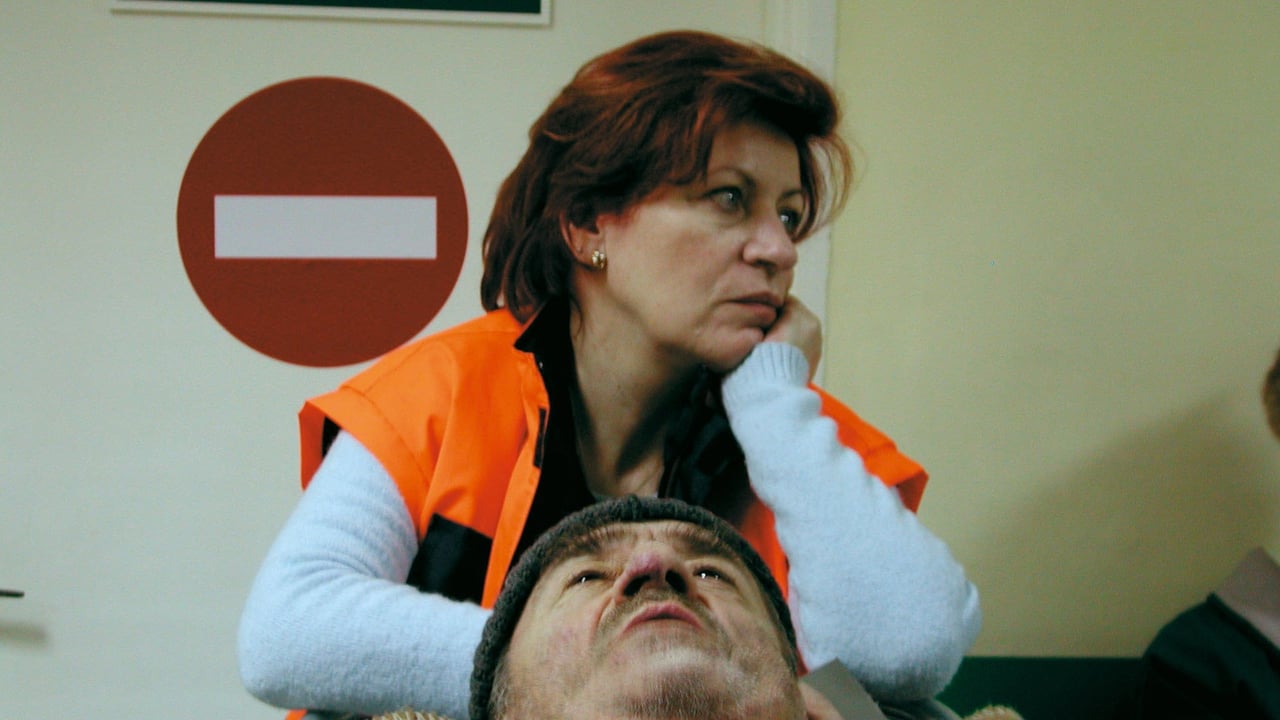
A sixty-three-year-old widower living alone with his cats feels unwell and calls for an ambulance. Over the course of one night he is driven between Bucharest hospitals, each of which finds a reason to send him on to the next.
The film that started everything. Cristi Puiu's two-and-a-half-hour odyssey through a collapsing healthcare system won the Un Certain Regard prize at Cannes in 2005 and established the whole grammar of the Romanian New Wave: handheld long takes, overlapping dialogue, real time, no music, no villains — just tired people making individually defensible decisions. It is also, unexpectedly, very funny, in the way that bureaucratic despair often is.
3. Collective (2019)
Dir. Alexander Nanau · Romania / Luxembourg / Germany · Documentary / Crime
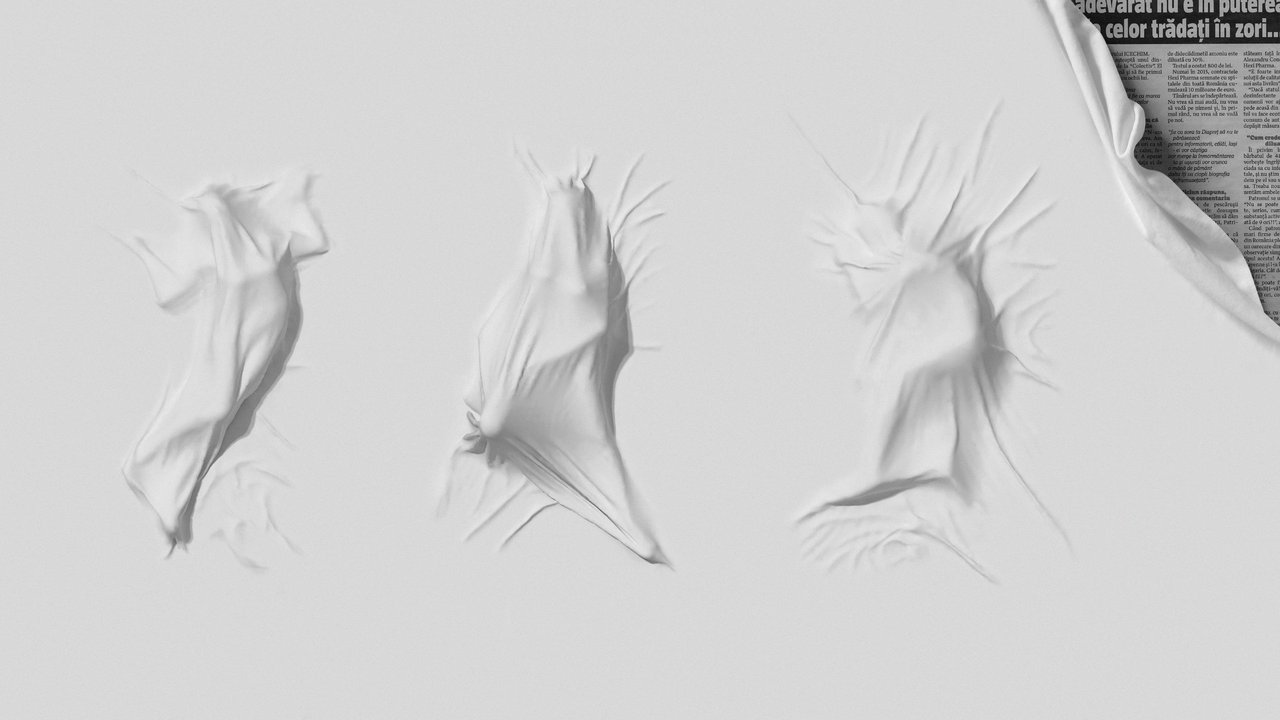
A fire at the Colectiv nightclub in Bucharest kills twenty-seven people on the night. Dozens more die afterwards in hospitals, from infections they should have survived. A team of investigative journalists at a sports newspaper — of all places — starts asking why.
Alexander Nanau embedded with the reporters and later with a newly appointed health minister, and filmed the whole thing as it happened with no narration and no interviews. It plays like All the President's Men with the certainty removed. It became the first film ever nominated for both Best Documentary Feature and Best International Feature at the Academy Awards, and won Best Documentary at the European Film Awards. Essential, and one of the great films about journalism.
4. Beyond the Hills (2012)
Dir. Cristian Mungiu · Romania · Drama
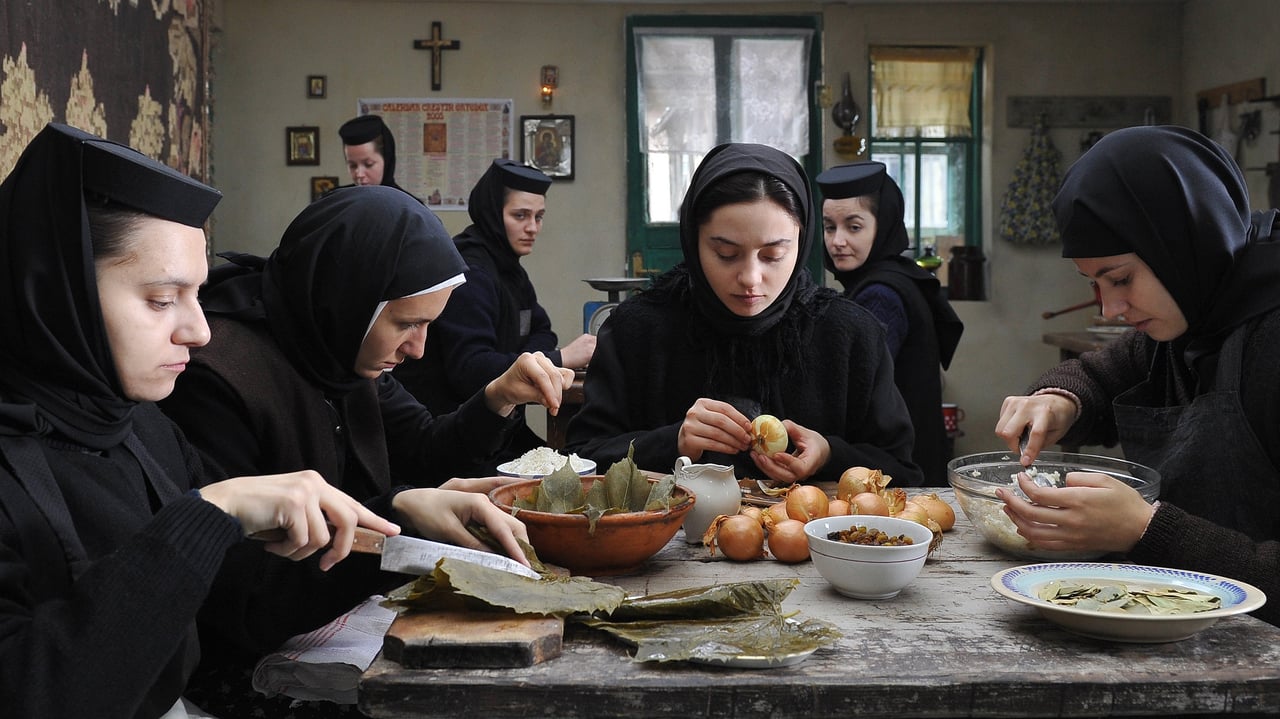
Alina returns from Germany to collect Voichița, the friend she grew up with in an orphanage, from the remote hillside monastery where Voichița has become a nun. Voichița will not leave. Alina will not go without her, and the community around them has its own understanding of what is wrong.
Based on a real case reported by the journalist Tatiana Niculescu Bran, Mungiu's follow-up to his Palme d'Or took Best Screenplay at Cannes and a shared Best Actress prize for its two leads, Cosmina Stratan and Cristina Flutur. It is shot in the same unblinking register as his other work, and its subject is less faith than the absence of any institution — medical, civil or religious — able to help. Long, cold and completely gripping.
5. Sieranevada (2016)
Dir. Cristi Puiu · Romania / France / Bosnia and Herzegovina · Drama / Comedy
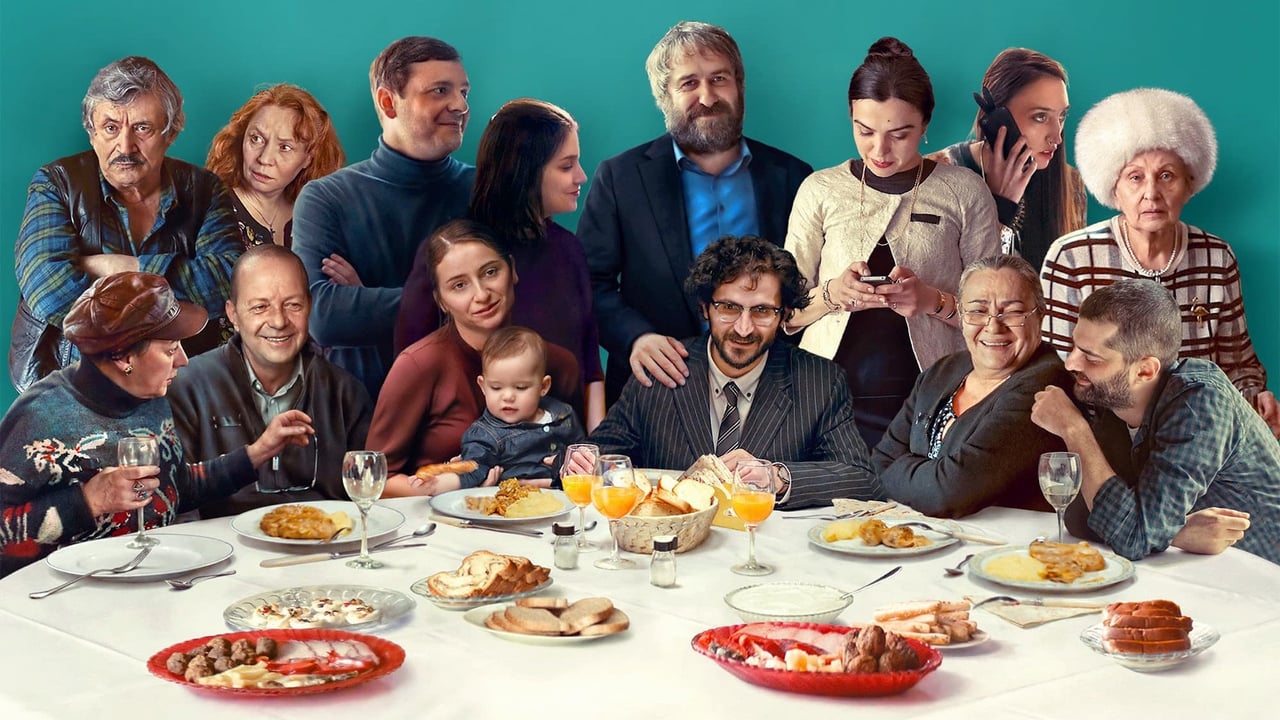
Forty days after his father's death, a Bucharest neurologist goes to the family flat for the memorial meal. The priest is running late, nobody may eat until he arrives, and thirteen relatives are shut into a two-bedroom apartment with nothing to do but talk.
Nearly three hours, almost entirely in a hallway, with the camera pivoting between doorways as arguments about 9/11 conspiracy theories, communism, infidelity and who gets which chair spill from room to room. It is the funniest film of the Romanian New Wave and possibly the most technically dazzling — the choreography of thirteen actors in a domestic corridor is astonishing. It competed for the Palme d'Or and won Puiu the Gopo for Best Director.
6. Graduation (2016)
Dir. Cristian Mungiu · Romania / France / Belgium · Drama
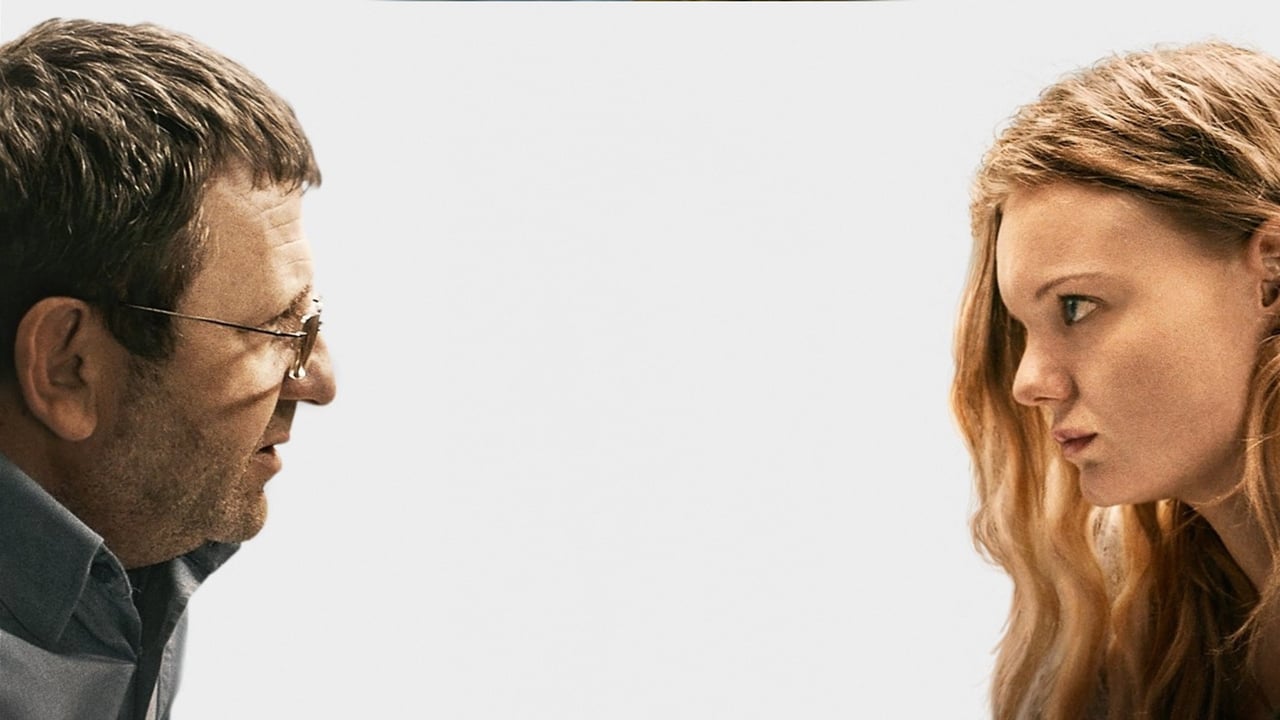
Romeo is a doctor in a provincial city who has arranged his whole life around getting his daughter out of Romania on a British scholarship. Days before the exams that decide it, she is assaulted outside her school, and he begins making calls to people who can help — each of whom will want something back.
Mungiu shared Best Director at Cannes for this, and it is his most quietly damning film: a study of how corruption works not as villainy but as mutual assistance between decent people. Adrian Titieni is superb as a man who believes at every stage that he is doing the right thing for someone else. If you have ever wondered how a functioning society talks itself into rot, this is the film.
7. I Do Not Care If We Go Down in History as Barbarians (2018)
Dir. Radu Jude · Romania / Germany / Bulgaria · Drama / History / Comedy
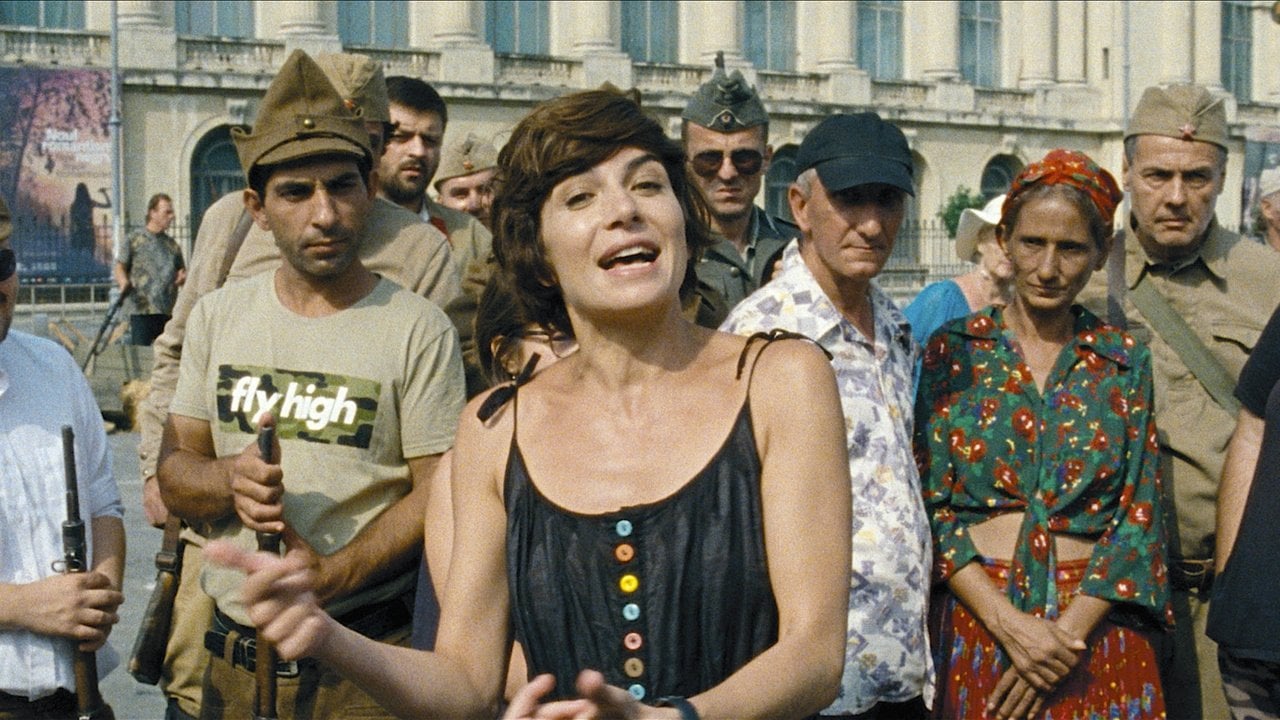
Mariana, a theatre director, is staging a public re-enactment of the 1941 Odessa massacre in a Bucharest square, with amateur performers, borrowed uniforms and real military hardware. The city official funding it would prefer a version of history with fewer Romanians in it, and explains this to her at considerable length.
Radu Jude's title is a quotation from a 1941 Romanian cabinet meeting, and the film is an argument staged as a comedy: about what a nation owes its own archive, and who gets to decide what is commemorated. Ioana Iacob is excellent, the debates are genuinely thrilling, and Jude keeps interrupting himself with newsreel and citation. It won the Crystal Globe at Karlovy Vary and confirmed him as the most intellectually restless director of his generation.
8. R.M.N. (2022)
Dir. Cristian Mungiu · Romania / France / Belgium / Sweden · Drama
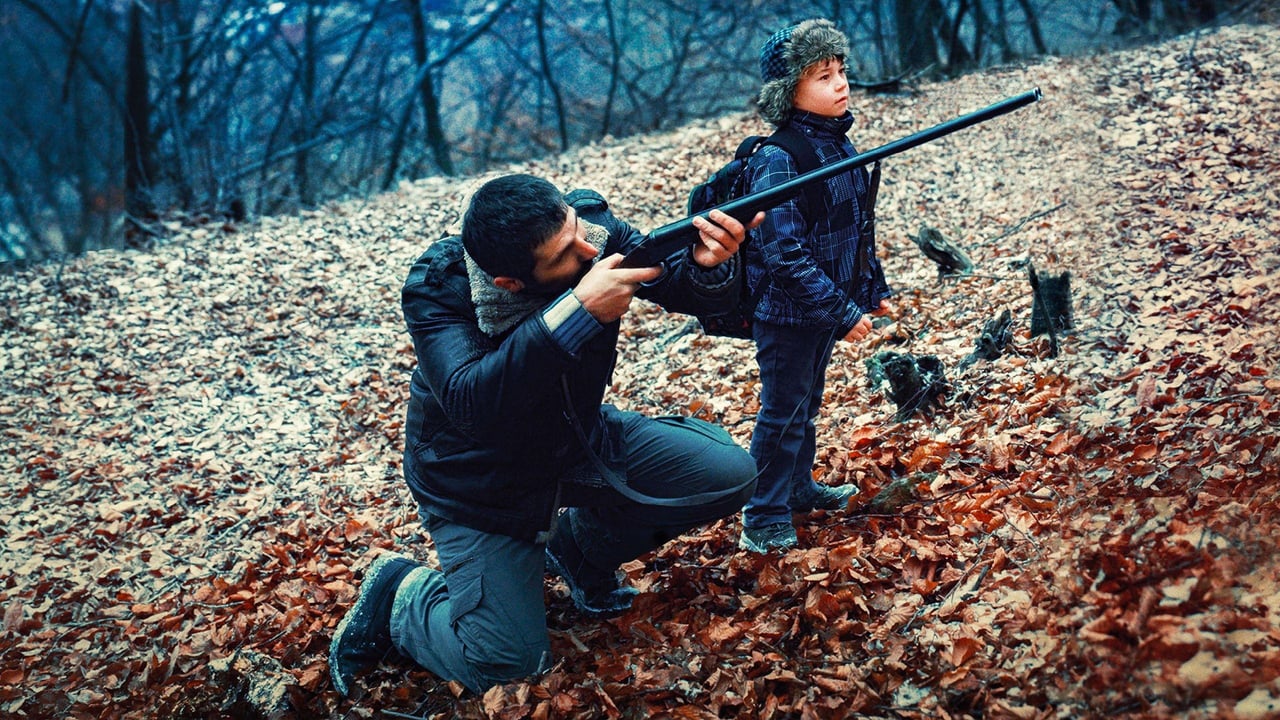
A few days before Christmas, Matthias walks out of his job at a German slaughterhouse and returns to the multi-ethnic Transylvanian village he came from. The bread factory his former lover manages has hired three workers from Sri Lanka, because nobody local will take the wages, and the village has opinions.
The title is the Romanian acronym for an MRI scan, which is roughly what Mungiu is performing on his own country. It contains one of the most extraordinary sequences in recent European cinema: a village hall meeting, played out in a single seventeen-minute static take, in which two dozen people say exactly what they think. It competed for the Palme d'Or and won the Gopo for Best Film.
9. Three Kilometres to the End of the World (2024)
Dir. Emanuel Pârvu · Romania · Drama
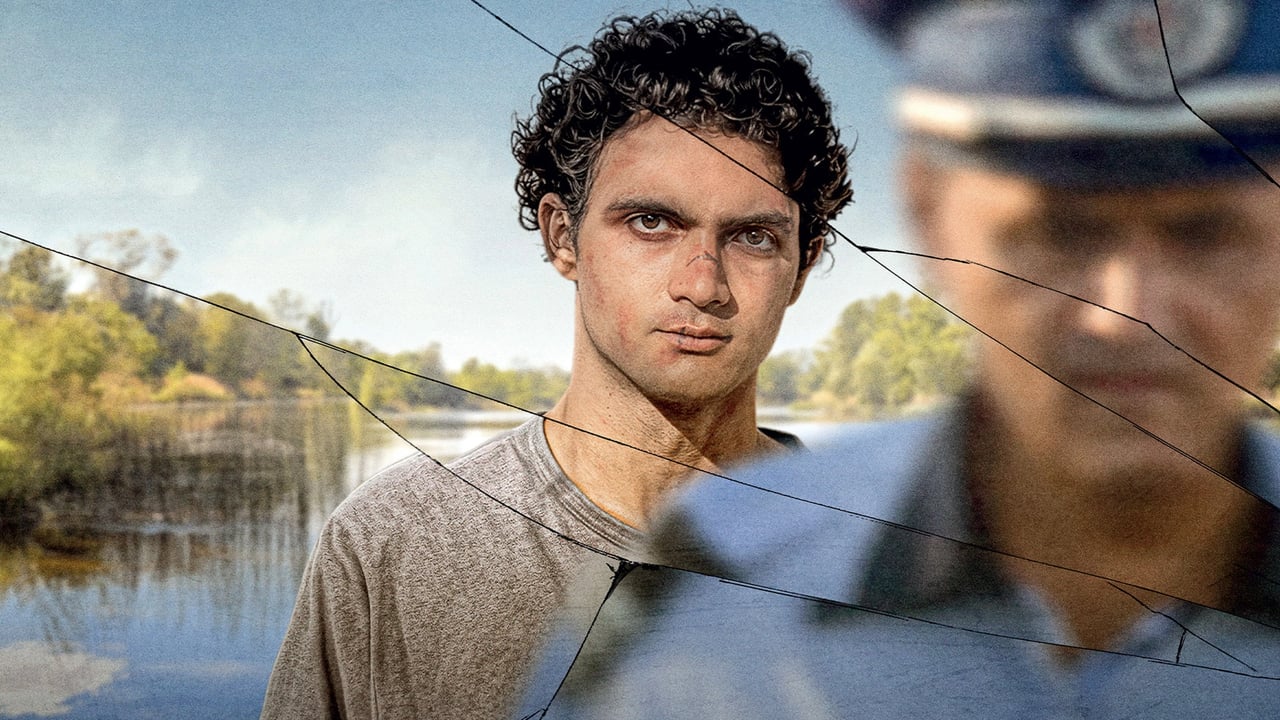
High summer in a fishing village deep in the Danube Delta. Seventeen-year-old Adi is home from boarding school, helping at his parents' guesthouse, when he is attacked one night in the village square. Word travels through a community of a few hundred people faster than any official account of it can.
Emanuel Pârvu's film competed for the Palme d'Or and won the Queer Palm at Cannes in 2024. It works in the New Wave manner — long takes, no score, faces held past comfort — but its subject is the machinery of a small place closing around a family, with the church, the police and the parents all reaching for the same solution. Ciprian Chiujdea, in his first film role, is extraordinarily good.
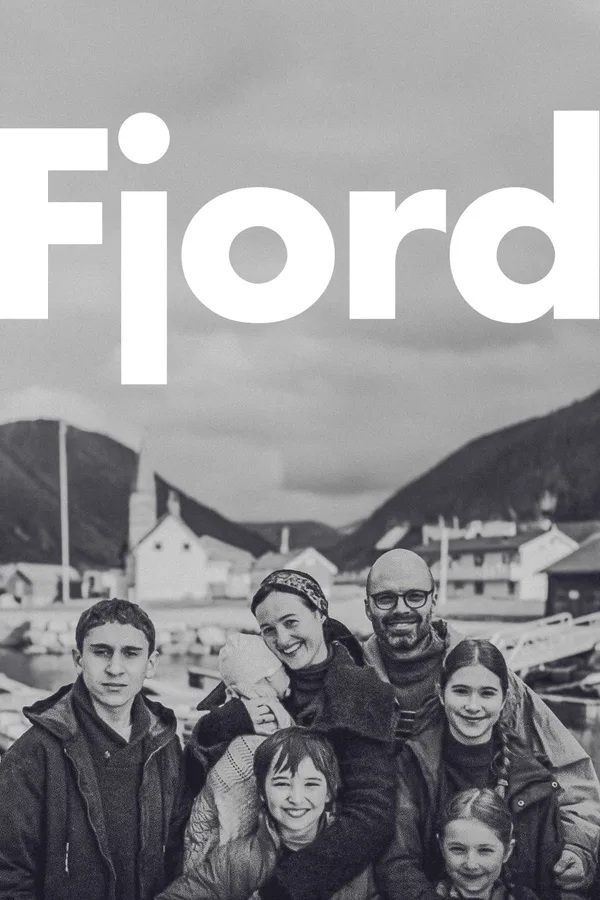
10. Fjord (2026)
Dir. Cristian Mungiu · Romania / Norway / France / Denmark / Finland / Sweden · Drama
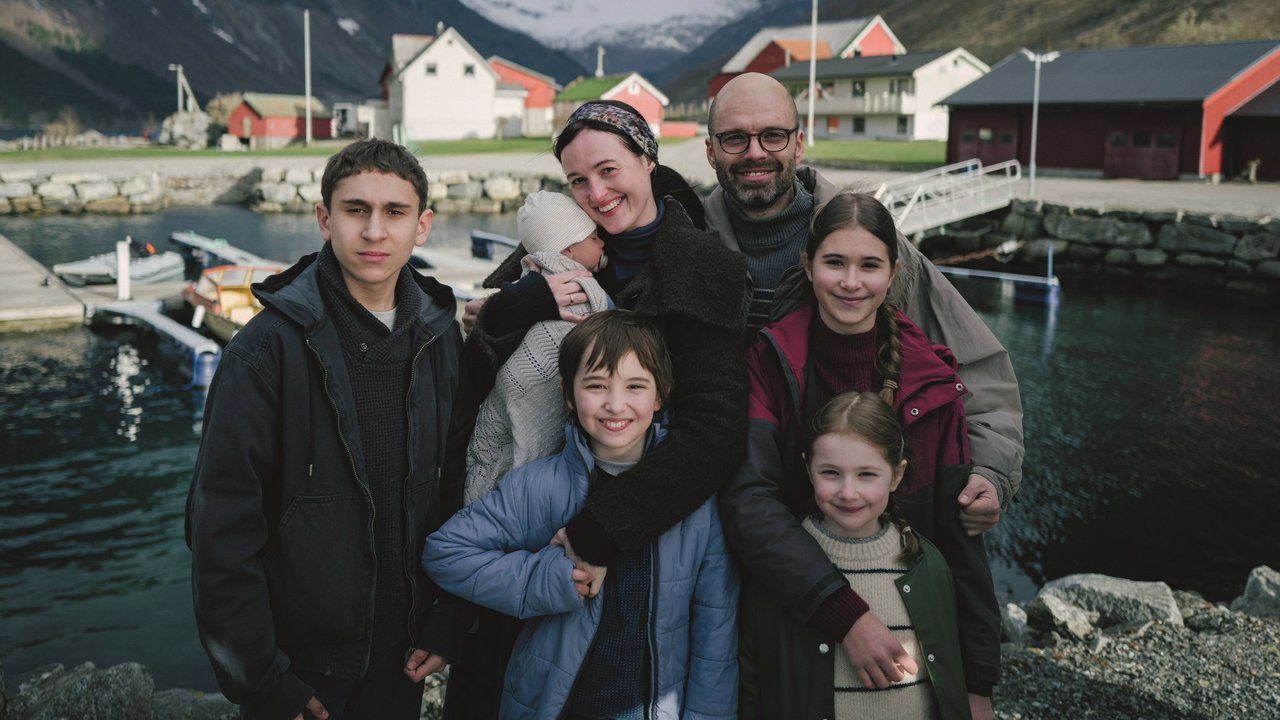
A Romanian father and his Norwegian wife — Sebastian Stan and Renate Reinsve — leave Bucharest with their two children to resettle in her remote home village on the Norwegian coast. The move is meant as a fresh start. The neighbours are a tight, outwardly progressive community that prides itself on tolerance, and as they get to know the family, the couple's parenting choices begin to draw the attention of the school, then social services, then the law.
Mungiu's eighth feature, inspired by real events, won the Palme d'Or at Cannes in 2026 — his second, nineteen years after 4 Months, 3 Weeks and 2 Days, and it took the FIPRESCI Prize and three further jury awards on the same night. Shot in four languages across the Nordic coast, it applies the New Wave's oldest instrument, the long unbroken take, to a subject the movement had not touched: what happens to Eastern Europeans who leave. That a film this Romanian could be set almost entirely in Norway is the clearest sign yet of where the movement has travelled.
Where to Start
4 Months, 3 Weeks and 2 Days is the obvious entry point and deserves to be. If you would rather begin with something lighter on the nerves, Sieranevada is a comedy of family exasperation that happens to be a masterpiece, and Collective is as gripping as any thriller. The Death of Mr. Lăzărescu is the historical starting point. And if you want to know what the movement looks like now, Fjord won the Palme d'Or in 2026.
For the rest of the field Mungiu beat to that second Palme, see our report on the Cannes 2026 winners. For the region's other great post-communist cinema, see our 10 Must-Watch Polish Films.