
Film★ Editor's Pick
The Battle of Algiers
La battaglia di Algeri
Algiers, late 1950s: the FLN's three-year urban guerrilla war against French colonial rule, dramatised with such forensic clarity that the film is shown to military officers and revolutionaries alike as a manual; Pontecorvo's masterpiece, shot in newsreel-grain black and white with non-professional actors who had often lived the events themselves; one of the most influential political films ever made.
About
Gillo Pontecorvo's The Battle of Algiers won the Golden Lion at Venice in 1966 and received three Academy Award nominations including Best Director and Best Original Screenplay, without an Italian distributor for almost two years, because the French government was lobbying European releasers to suppress it. France did not screen the film until 1971. The film was reportedly shown to American military officers preparing for Iraq operations in 2003, with the Pentagon's invitation reading: How to win a battle against terrorism and lose the war of ideas.
The three-year urban guerrilla campaign of the FLN against French colonial rule in Algiers (1954-1957), dramatised with the docudrama immediacy that Pontecorvo and his cinematographer Marcello Gatti developed for the project. The film uses non-professional actors, on-location shooting, and a deliberately newsreel-style monochrome aesthetic that has fooled audiences into believing certain scenes are archival; an opening title card disclaims this directly. Yacef Saâdi, an actual former FLN commander, plays the FLN leader Saari Kader; Brahim Hadjadj plays the petty criminal turned militant Ali La Pointe.
Ennio Morricone's score is among his most distinctive, built around a percussive military signal and a sustained female vocal line. The film is, simultaneously, an honest account of how to organise an anti-colonial uprising and an honest account of the moral cost of doing so; it has been cited as required viewing by both insurgents and counter-insurgents.
Why it's an Editor's Pick: The most morally serious political film ever made in Europe, and a primer on how cinema can bear witness without taking the easy side. Continuously banned, continuously screened.
Where to Watch
Not currently available in your country.
Available in: , , , , , , , , ,



























Streaming availability via JustWatch. Last checked 2026-09-27.
Top Cast
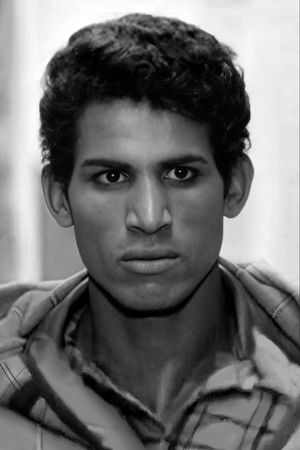
Brahim Hadjadj
Ali La Pointe
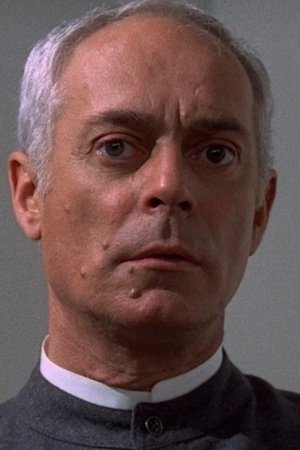
Jean Martin
Colonel Philippe Mathieu
Yacef Saâdi
El-Hadi Jaffar
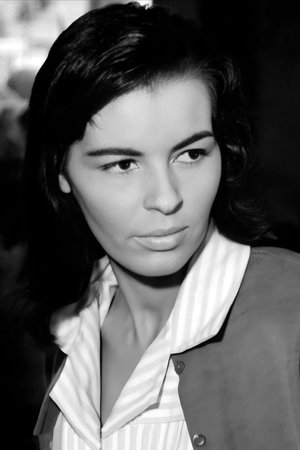
Fouzia El Kader
Halima
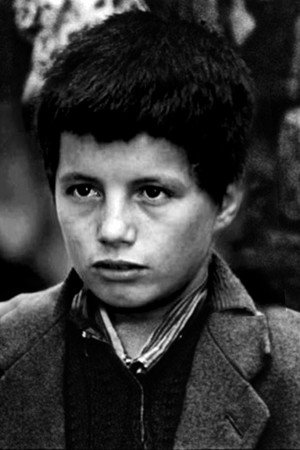
Mohamed Ben Kassen
Petit Omar
Awards, Festivals & Mentions
-

Winner × 2 — Venice prizes: Golden Lion, Golden Lion
-

Nominee × 4 — Oscars: Best Director, Best Original Screenplay, Best Foreign Language Film, Best International Feature Film
-
Sight & Sound 250 Greatest Films
-
BFI 100 Greatest Films


