
Film★ Editor's Pick
Bicycle Thieves
Ladri di biciclette
In post-war Rome, a desperate man named Antonio Ricci finally lands a job that requires a bicycle, only to have it stolen on his first day. He and his young son Bruno spend an agonizing day traversing the city in search of the bike, as the family's livelihood and dignity hang in the balance. A landmark of Italian neorealism, the film offers a heartbreaking portrait of poverty, paternal love, and the moral compromises born of desperation.
About
Vittorio De Sica's Bicycle Thieves arrived in 1948, two years after Shoeshine, and confirmed Italian neorealism as the most important post-war movement in cinema. The film won an Honorary Academy Award before the Best Foreign Language category formally existed, and the BAFTA for Best Film. It topped the inaugural Sight & Sound critics' poll in 1952 as the greatest film ever made, a position it held for a decade.
Antonio Ricci, an unemployed Roman pasting up film posters for a living, has his bicycle stolen on his first day of work. He and his small son Bruno (the indelible Enzo Staiola) spend a single day combing the city for it, and the film tracks the shame, exhaustion and moral collapse that follow. De Sica cast non-professional actors (Lamberto Maggiorani, the lead, was a factory worker) and shot on Roman streets still pockmarked by the war. The screenplay, by De Sica's long-time collaborator Cesare Zavattini, is the manifesto of neorealism in dramatic form.
De Sica's casting of non-professional actors (Maggiorani was a real Breda factory worker, recruited because De Sica wanted a face the camera had not already seen) became one of neorealism's most influential principles. Truffaut, Satyajit Ray and the entire Iranian New Wave traced their lineages through this film, and the Honorary Oscar it received in 1950 anticipated the formal Foreign Language category by six years. Few works in any medium so completely fuse social document and emotional devastation.
Why it's an Editor's Pick: The foundational text of neorealism, and the film that taught cinema it could be both unsentimental and humane. Eighty years on, no film about poverty has surpassed its specificity or its tact.
Where to Watch
Not currently available in your country.
Available in: , , , , , , , , , , ,






























Streaming availability via JustWatch. Last checked 2026-10-11.
Top Cast

Lamberto Maggiorani
Antonio
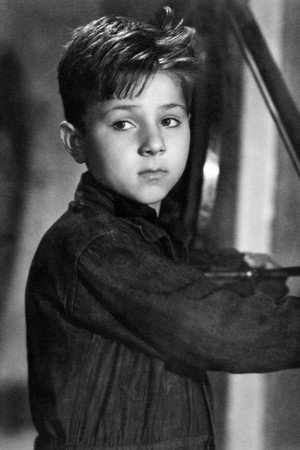
Enzo Staiola
Bruno

Lianella Carell
Maria
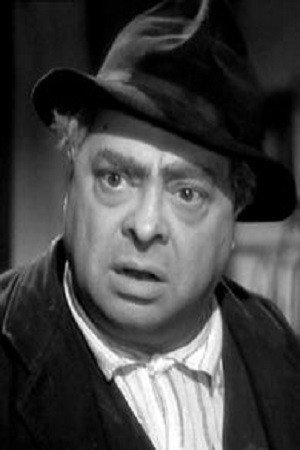
Gino Saltamerenda
Baiocco
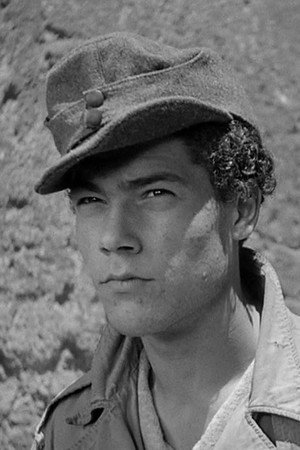
Vittorio Antonucci
Alfredo Catelli, The Thief
Awards, Festivals & Mentions
-

Winner — Academy Award Best Foreign Language Film
-

Winner — BAFTA Award Best Film
-
Winner — Academy Honorary Award
-
Nominee — Academy Award Best Adapted Screenplay
-
Nominee — BAFTA Best Film
-

Nominee — Golden Globe Best Non-English Language Film


Featured In
- 10 Must-Watch Italian Films 11 May 2026