A Golden Lion for May el-Toukhy, a Silver Lion for a director Russia has declared an enemy of the state, and a documentary added to the line-up weeks before the festival — the 83rd Venice was a jury willing to make its prizes argue with each other.
The 83rd Venice International Film Festival ran on the Lido from 2 to 12 September 2026, with Maggie Gyllenhaal presiding over the main competition jury. Twenty-one films competed, all of them world premieres, and the prize list that emerged on the closing night spread itself unusually wide: eight awards across seven films, four countries taking a major prize for the first time in years, and only one winner from outside Europe.
The Golden Lion went to Woman Unknown, the third feature by the Danish director May el-Toukhy and the only film in the competition directed by a woman. Its lead, Mathilde Arcel, took the Coppa Volpi for Best Actress in the same night, a double the festival has not handed out often. Denmark has since selected it as its submission for the International Feature Oscar.
The rest of the list read as a series of deliberate choices. Ilya Khrzhanovsky won Best Director for DAU, the film at the centre of the only real controversy of the festival. Stéphane Brizé took Best Screenplay for a film about corporate cruelty, John Malkovich the Coppa Volpi for a Martin McDonagh picture shot on Rapa Nui, and the Special Jury Prize went to the single documentary in competition. Below, every prize the Venezia 83 jury awarded, in the order it was announced.
Golden Lion & Coppa Volpi for Best Actress
Woman Unknown, May el-Toukhy
Denmark · Sweden · Latvia
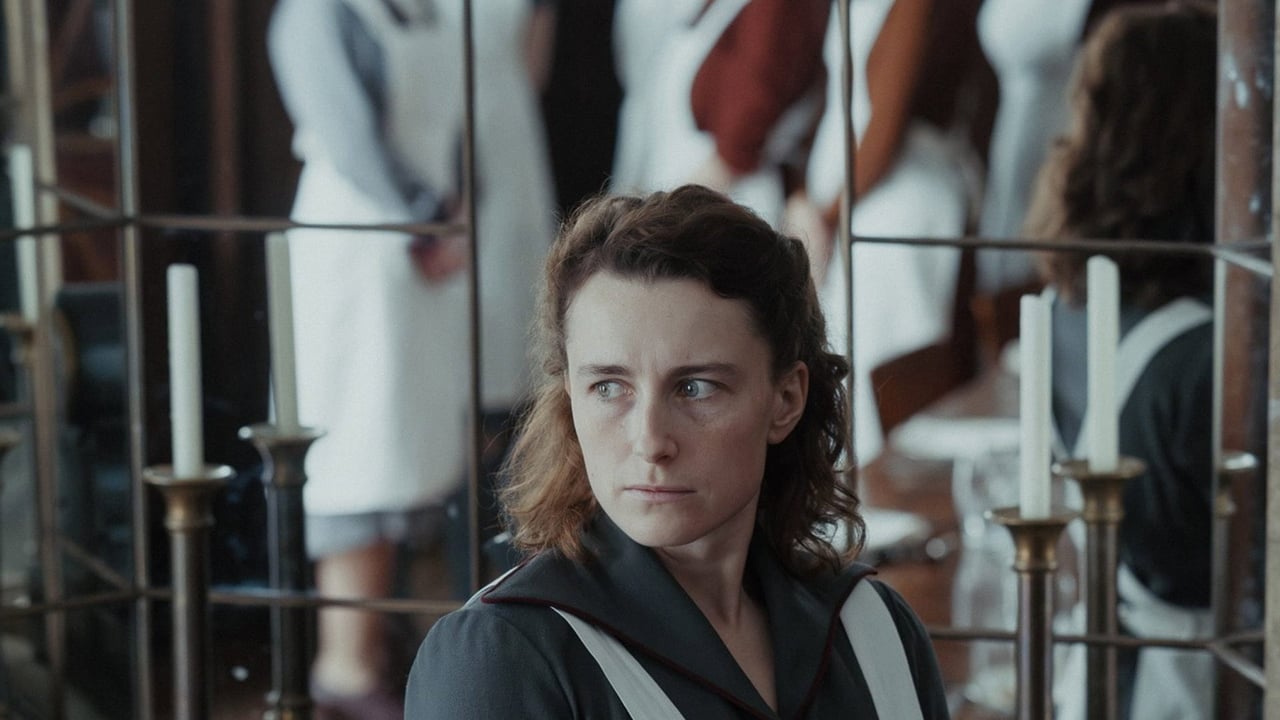
May el-Toukhy arrived in Venice as a well-regarded Danish director and left as a European prize-winner. Her previous feature, Queen of Hearts, took the audience award in Sundance's World Cinema strand and swept the Bodils; Woman Unknown is her third, written again with Maren Louise Käehne and photographed again by Jasper Spanning. It is set in Denmark in the months after the German occupation, and centres on Marie, a young nanny and housemaid preparing to marry the wealthy widower she works for.
Mathilde Arcel plays Marie, opposite Carsten Bjørnlund as her employer, with Thorbjørn Hedegaard and Marina Bouras completing the principal cast. Arcel's Coppa Volpi and the Golden Lion together made this the most decorated film of the festival, and Denmark named it as its Oscar submission within a fortnight. It was the only film in the competition directed by a woman, a fact the jury was not shy about pointing out.
Silver Lion — Grand Jury Prize
Possible Love, Lee Chang-dong
South Korea
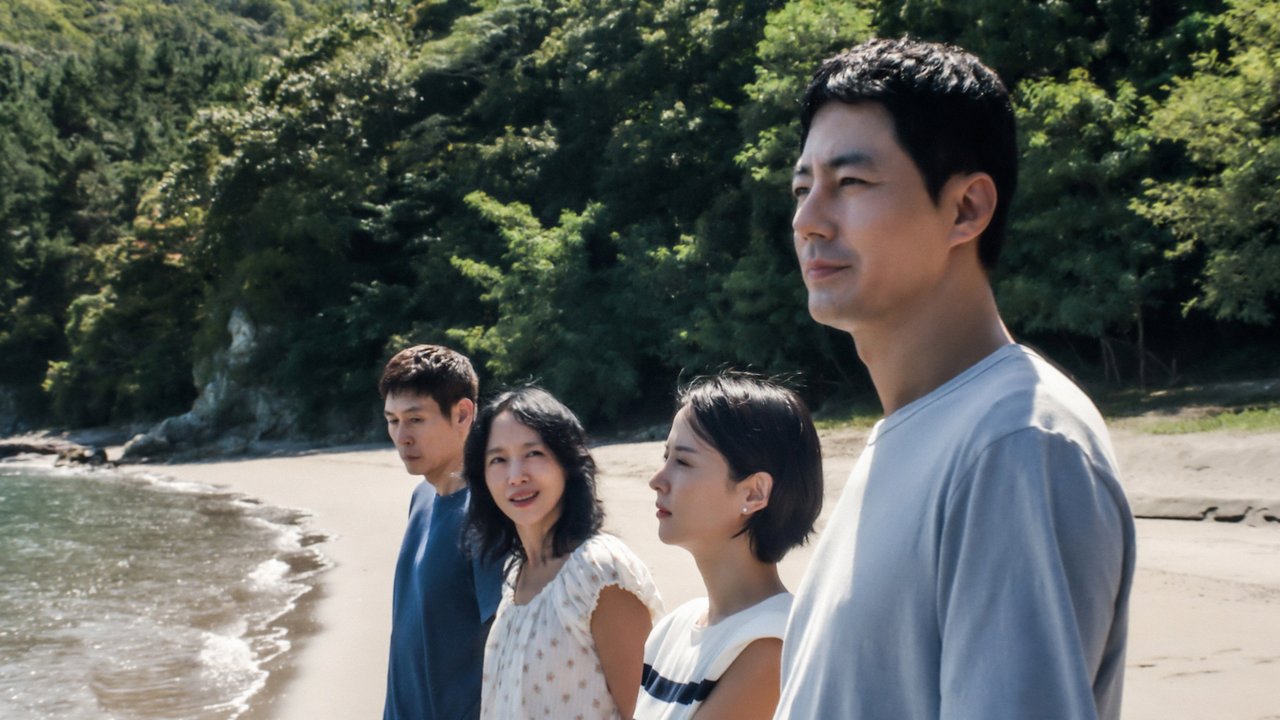
An honest aside: Possible Love sits outside European Screen's remit. It is a South Korean production with no European co-producer credited, and so it will not appear elsewhere in the catalogue. We include it here for completeness, because this is a Venice 2026 prize recap and the Grand Jury Prize belongs in it. It is Lee Chang-dong's first feature since Burning in 2018, and only his seventh in a career spanning nearly thirty years.
The cast reunites him with Jeon Do-yeon, who won Best Actress at Cannes in 2007 for his Secret Sunshine, alongside Sul Kyung-gu, Zo In-sung and Cho Yeo-jeong. At a hundred and sixty-five minutes it was among the longest films in the competition. That the jury's second prize went to the one major non-European title in a line-up otherwise dominated by the continent is worth noting in a year when the rest of the list stayed close to home.
Silver Lion — Best Director
DAU, Ilya Khrzhanovsky
Germany · France · Sweden · Russia
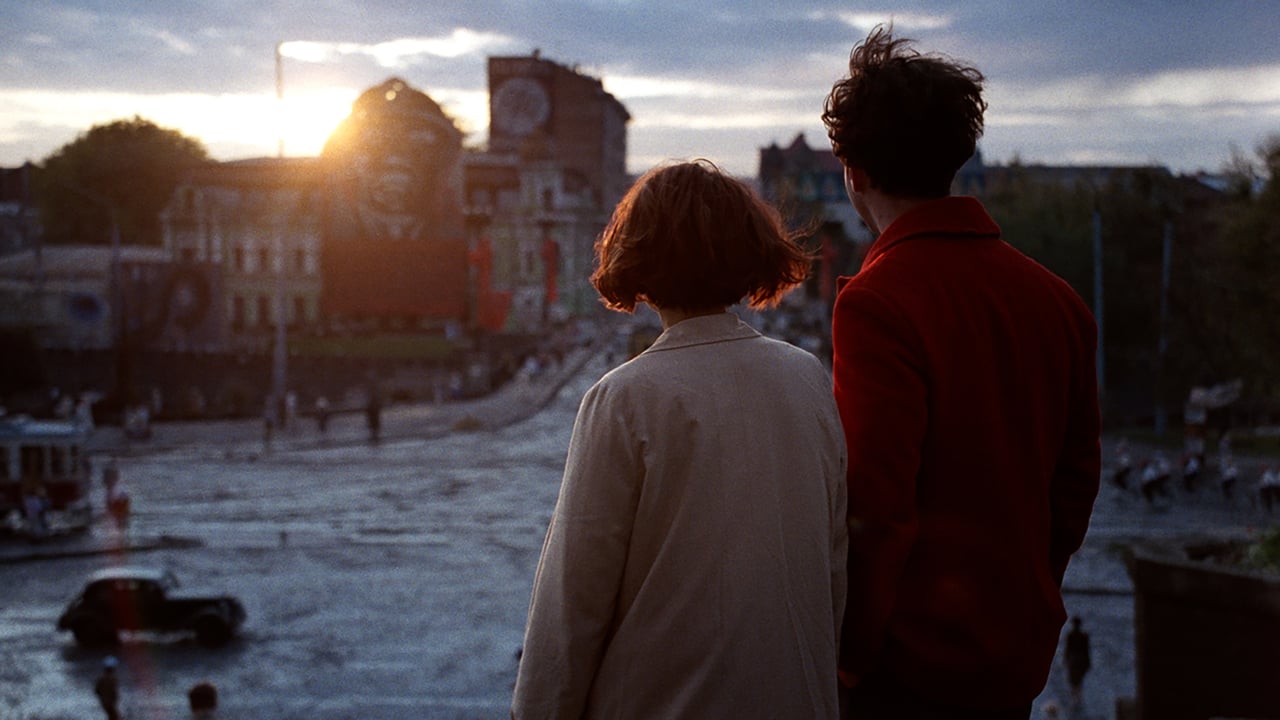
No film at Venice this year carried more history. Between 2009 and 2011 Khrzhanovsky built a twelve-thousand-square-metre replica of a Soviet research institute in Kharkiv, filled it with thousands of participants and filmed them continuously, accumulating some seven hundred hours of material. The project surfaced as a Paris installation in 2019 and as two features at the Berlinale in 2020. DAU is the film all of it grew out of, edited from 2022 onwards with additional photography finished in 2024.
The conductor Teodor Currentzis plays a physicist loosely modelled on the Nobel laureate Lev Landau, followed across four decades of the Soviet Union. Three cinematographers shot it: Jürgen Jürges, Manuel Alberto Claro and Lol Crawley. Its selection drew a formal objection from Ukraine's culture and foreign ministries; the Biennale replied that the film is a German production with French and Swedish co-producers, and that Khrzhanovsky has renounced his Russian citizenship, lives in Paris and is designated a foreign agent by Russia. The jury gave him Best Director regardless.
Award for Best Screenplay
A Good Little Soldier, Stéphane Brizé
France
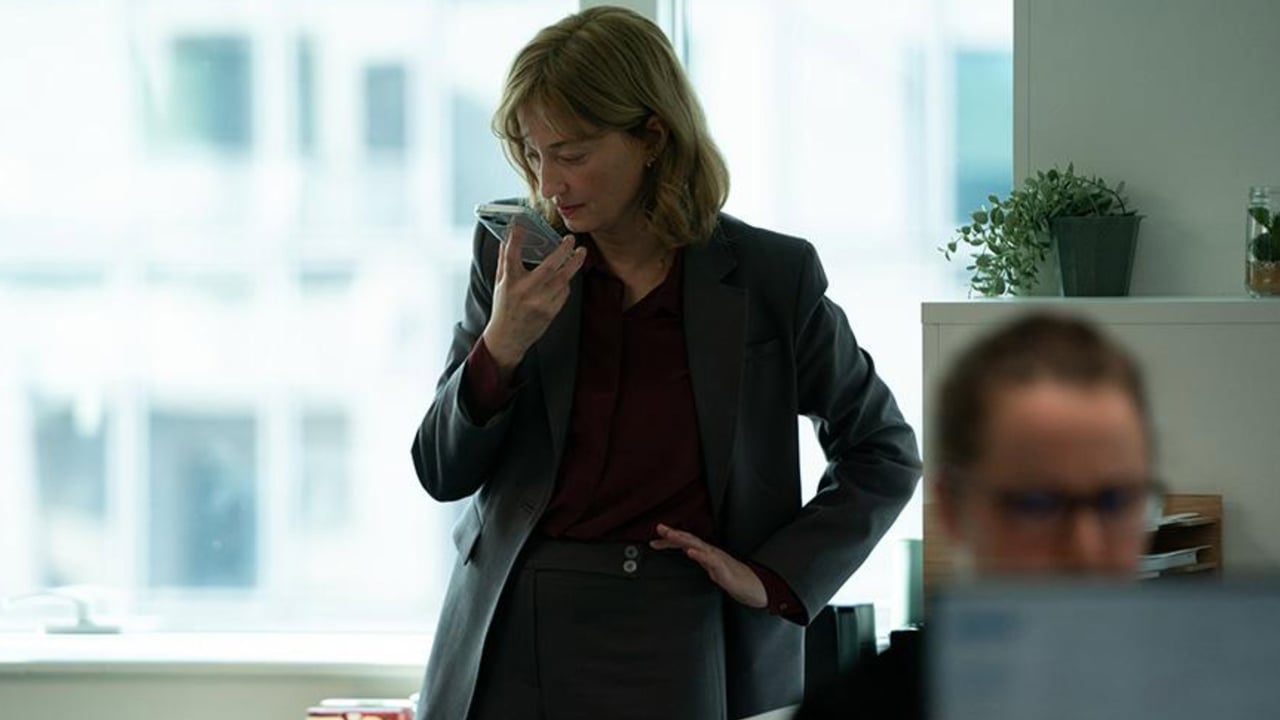
Stéphane Brizé has spent a decade on a loose cycle of films about work and what it costs, most of them with Vincent Lindon: The Measure of a Man, At War, Another World. This is his eleventh feature and his sixth with Lindon, and the screenplay prize went jointly to Brizé and his co-writers Coralie Amedeo and Olivier Gorce.
The centre of the film belongs to Alba Rohrwacher, playing Carla, an executive newly recruited to run human resources at a large insurance company and charged with rebuilding its reputation. Lindon, David Talbot and Sharif Andoura, the last as the firm's appointed happiness coach, fill out the company. Antoine Héberlé photographs it in the open-plan floors and glass meeting rooms of Paris and the Île-de-France. It is the second French film on this prize list.
Coppa Volpi for Best Actor
John Malkovich for Wild Horse Nine
UK · US · Chile
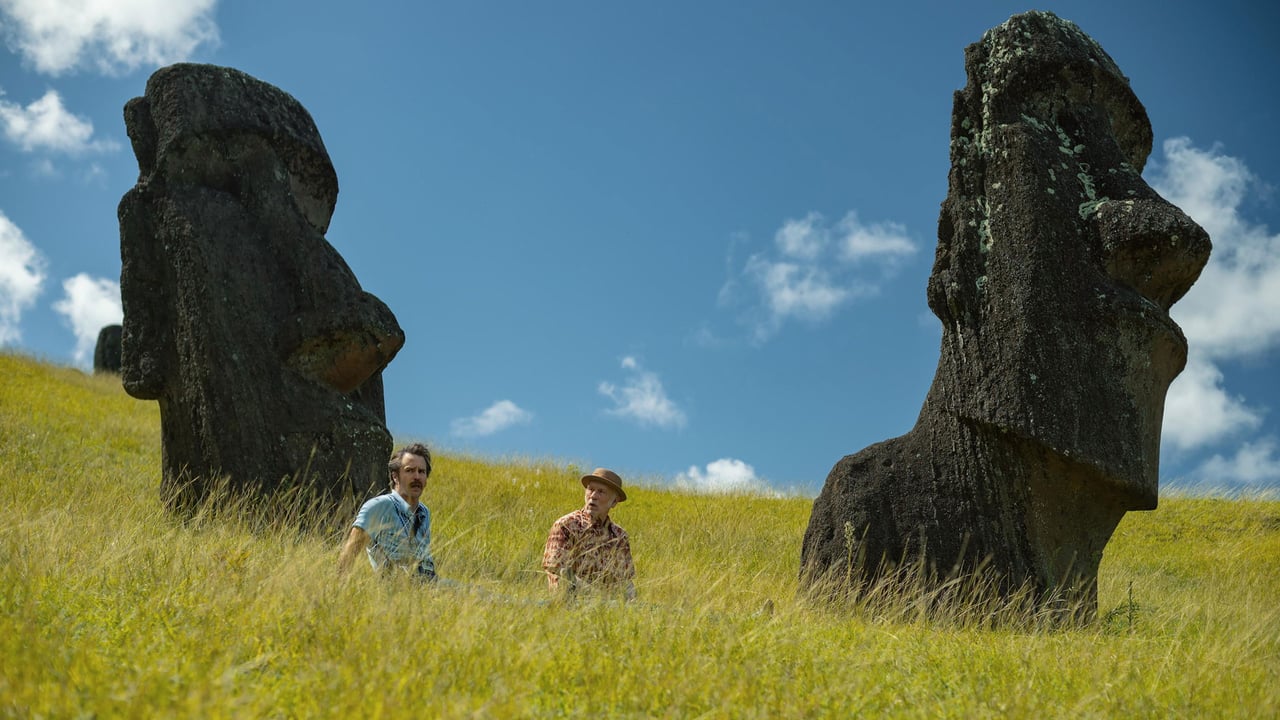
Martin McDonagh has form here. The Banshees of Inisherin won him Best Screenplay at Venice in 2022 and Colin Farrell the Coppa Volpi; Wild Horse Nine repeated half of that result four years later. It is his fifth feature, produced by Blueprint Pictures and Film4 as a UK, US and Chile co-production.
The setting is Chile shortly before the 1973 coup, and much of the film was shot on Rapa Nui. Malkovich plays Chris, the older of two veteran CIA officers sent from Santiago to Easter Island; Sam Rockwell, back with McDonagh after Three Billboards and Seven Psychopaths, is his long-time partner, and Steve Buscemi the bureau chief who dispatches them. Mariana di Girolamo and Ailín Salas play the students Chris falls in with. Searchlight releases it in November.
Special Jury Prize
NAZA, Yuval Abraham and Rachel Szor
UK
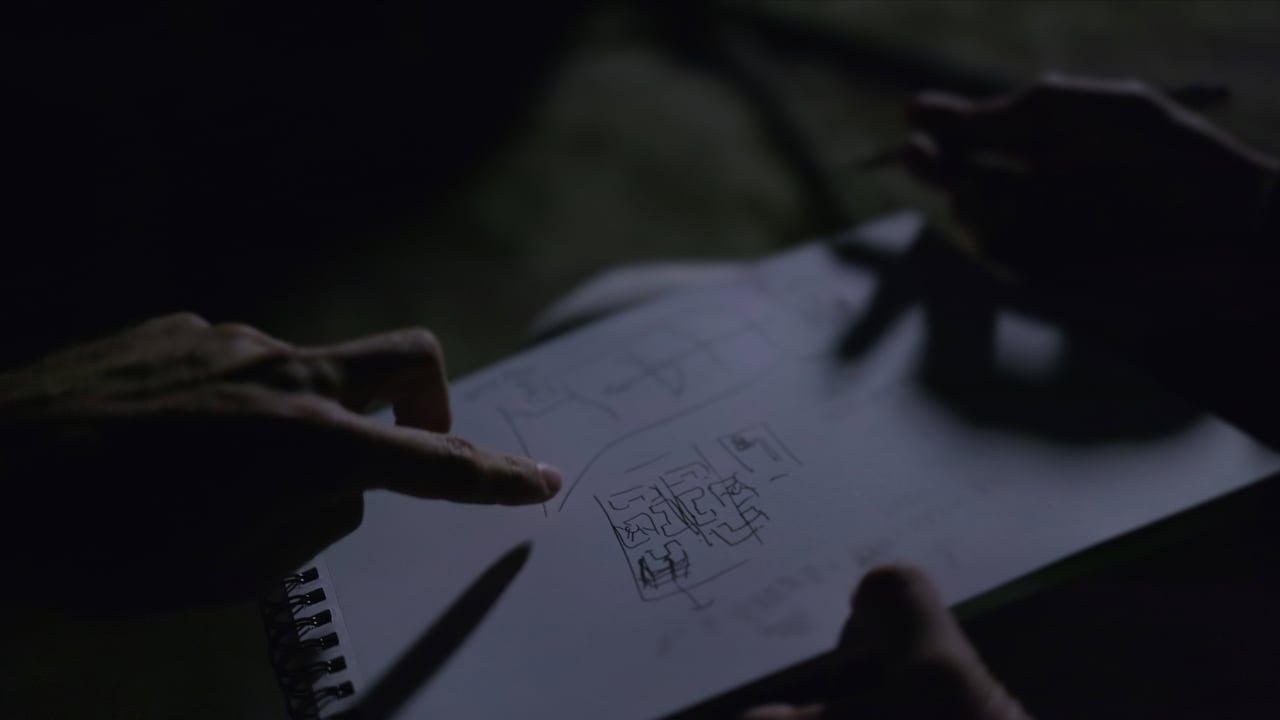
Abraham and Szor were two of the four members of the Israeli-Palestinian collective behind No Other Land, which won the Academy Award for Best Documentary Feature in 2025. NAZA is their follow-up and a British production, made with The Guardian and James Wilson's JW Films, and executive produced by Jonathan Glazer. It was added to the competition only weeks before the festival opened, the sole documentary in the line-up.
The method is stark. Over three years the pair recorded conversations with twenty-four Israeli soldiers and intelligence officers, filmed at night on Tel Aviv rooftops, the speakers dark shapes against the city lights with their voices altered. The subject is the machinery of targeting in Gaza. The title is military shorthand for collateral damage. At eighty minutes it was the shortest film in competition and, on the evidence of the jury's citation, among the hardest to sit with.
Marcello Mastroianni Award
Malou Khebizi for A Place to Heal
France
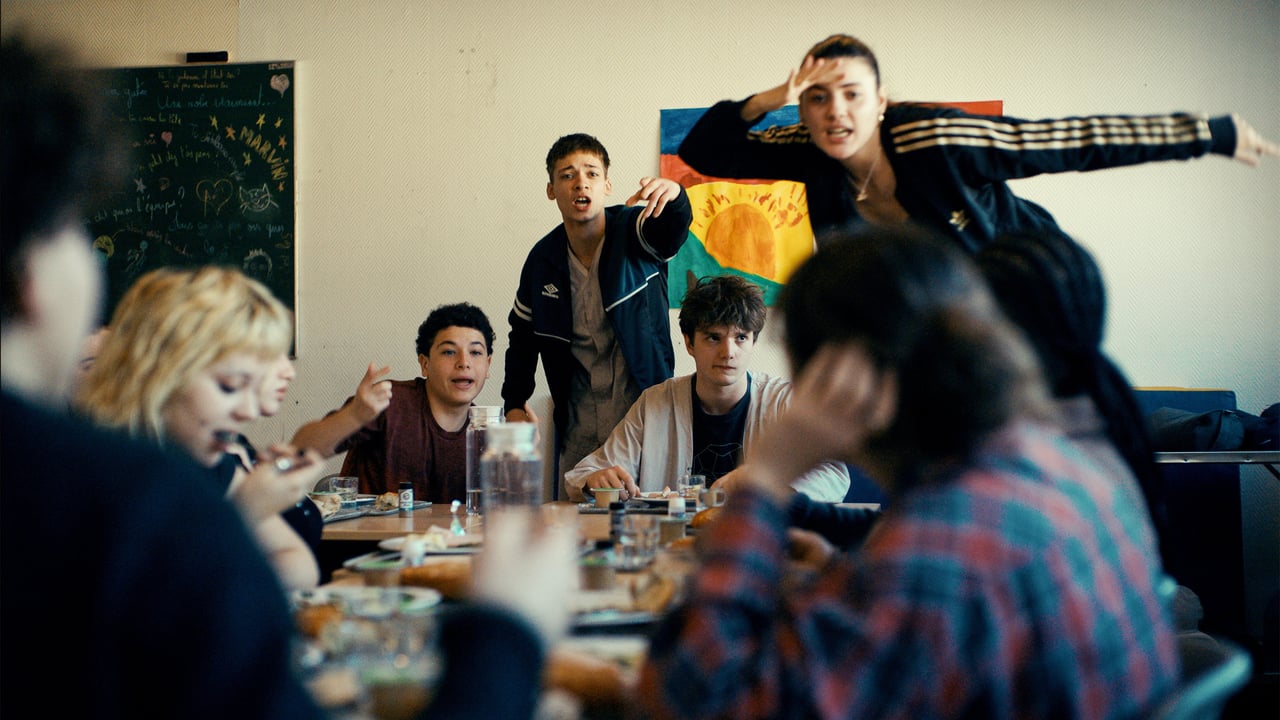
Cédric Kahn has been working steadily in French cinema since the early 1990s, most recently with The Goldman Case, which opened Directors' Fortnight at Cannes in 2023. 15/18, released internationally as A Place to Heal, takes its title from the age bracket admitted to the adolescent psychiatric ward where it is set.
Lucia, seventeen, arrives under police escort at a unit she already knows, rejoining her friend Eloïse and a group of teenagers whose conditions and backgrounds have almost nothing in common, while an overstretched medical team tries to hold the department together. Kahn casts newcomers against established players: Zoé Monpart makes her debut opposite Khebizi, Jennifer Decker comes from the Comédie-Française, and Kahn himself plays one of the doctors. The Mastroianni Award, given to the festival's outstanding emerging performer, went to Khebizi.
Lion of the Future — Luigi De Laurentiis Award for a Debut Film
House of the Wind, Auguste Bernard Kouemo Yanghu
Cameroon · France · Belgium · Benin
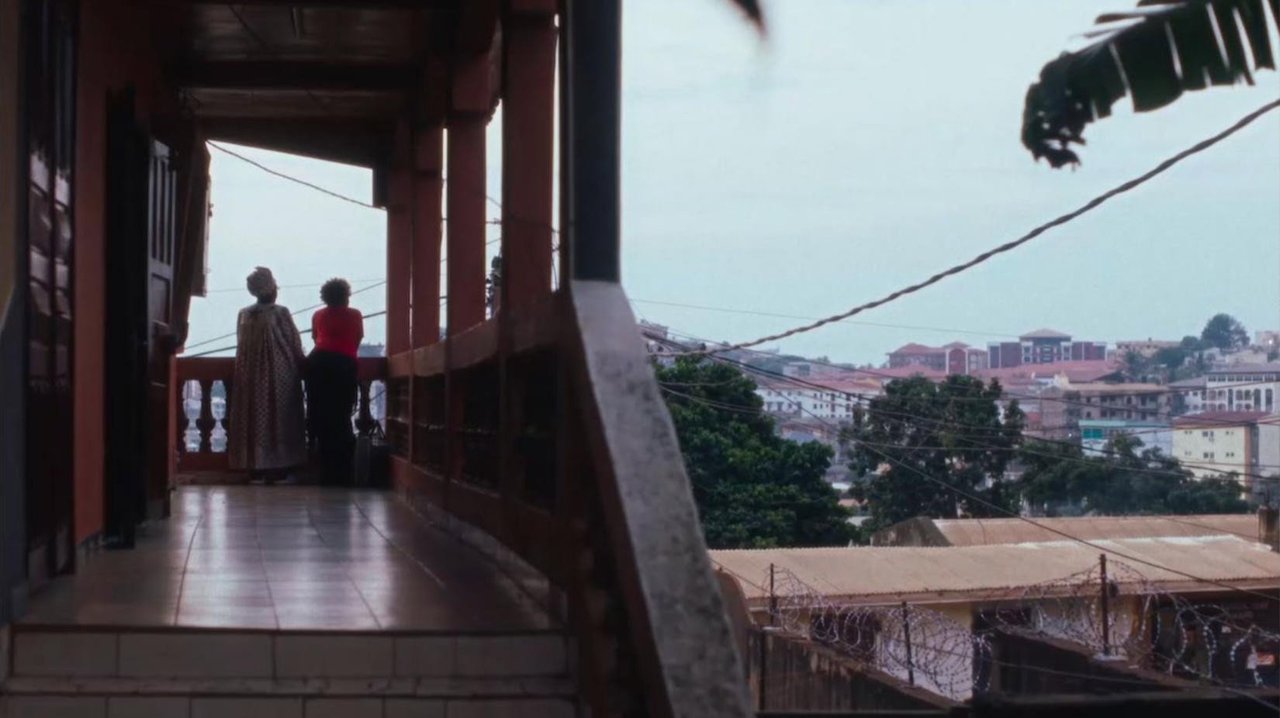
The Lion of the Future is the one prize at Venice that reaches across every section, awarded to the best first feature in the whole festival, and this year it went to a film that also took the Orizzonti Special Jury Prize. Auguste Bernard Kouemo Yanghu was born in Yaoundé in 1976 and has been making shorts for close to twenty-five years, among them Waramutsého!, on two friends divided by the Rwandan genocide, which won the Bronze Foal at FESPACO. This is his first feature.
Josette is eighty and lives alone in Yaoundé. Her six children have all gone to Europe and North America, so she hits on the idea of having them build houses back home, less as an investment than as a reason to return. She is played by Josette Kwanya, the director's own mother, who had six children who all left Cameroon; she finished the film and died in 2024, before it screened. The production is African-led, made by Kouemo Yanghu's Cameroonian company Horizons d'Afrique with co-producers in France, Belgium and Benin, which is what brings it inside our remit. It is the mirror image of the Caméra d'Or that went to Ben'Imana at Cannes in May: the continent's festivals, in the same year, handing their debut prizes to African filmmakers working with European partners.
What the 2026 Jury Was Telling Us
Three of the eight prizes went to films about institutions and what they do to the people inside them: a Soviet research institute, a French insurance company, a French psychiatric ward. A fourth, the Special Jury Prize, went to a documentary about a targeting system. Read together, the Venezia 83 list is unusually consistent in its interests, and unusually willing to reward films that are uncomfortable to watch rather than pleasant to admire.
The Khrzhanovsky decision was the one the festival will be asked about for years. Giving Best Director to DAU, after Ukraine's government had formally objected to its selection, was not a neutral act, and Alberto Barbera spent much of the festival defending it. Whatever one concludes, the jury did not flinch, and neither did it pretend the question away.
The quieter story is Denmark's. May el-Toukhy is the first Danish director to take the Golden Lion since Gabriel Axel's generation, and Woman Unknown did it while being the only film by a woman in a competition of twenty-one. That statistic drew more comment on the Lido than the prize itself, which is its own kind of verdict on where European festival programming still stands. And the Lion of the Future, going to a Cameroonian debut made with French and Belgian money, pointed the same way the Caméra d'Or did at Cannes four months earlier: outward, into co-productions the continent cannot make on its own.
For the other half of the European festival year, see our Cannes 2026 Winners List. The national context behind this year's Golden Lion is in our 10 Must-Watch Danish Films, and for more in the register of NAZA, our 10 Must-Watch European Documentaries covers the ground.


