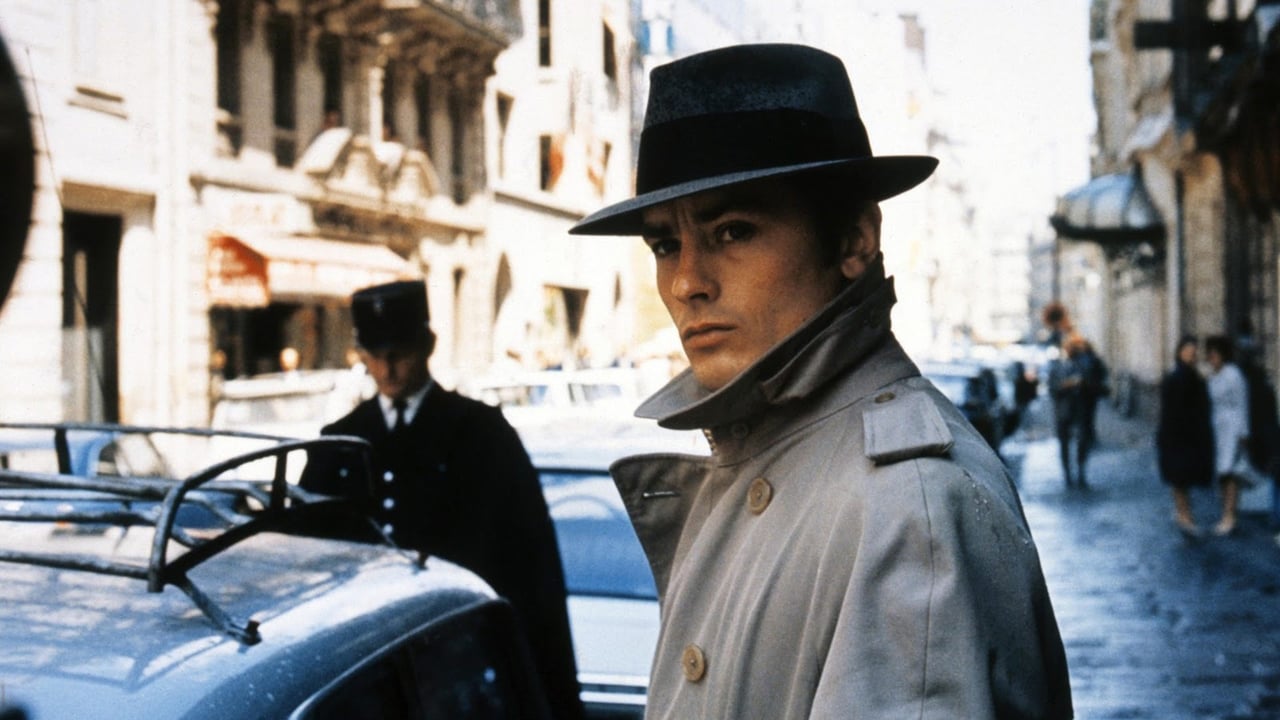
Stasi attics, nitroglycerine trucks, a silent half-hour robbery and a sealed papal conclave — twenty European thrillers that build tension out of institutions rather than explosions.
The American thriller usually gives you a hero and an obstacle. The European thriller tends to give you a person and a system, and then quietly demonstrates that the system will win. Its weapons are procedure, paperwork, silence and time. Some of the most frightening scenes in the films below take place in meetings.
What follows runs from 1931 to 2024 and takes in nine countries, from the Fritz Lang film that invented most of what the genre still does to a Danish drama in which a single sentence from a five-year-old destroys a man. Several won Oscars or came very close. All of them are, first and last, extremely tense.
1. The Lives of Others (2006)
Dir. Florian Henckel von Donnersmarck · Germany · Thriller / Drama
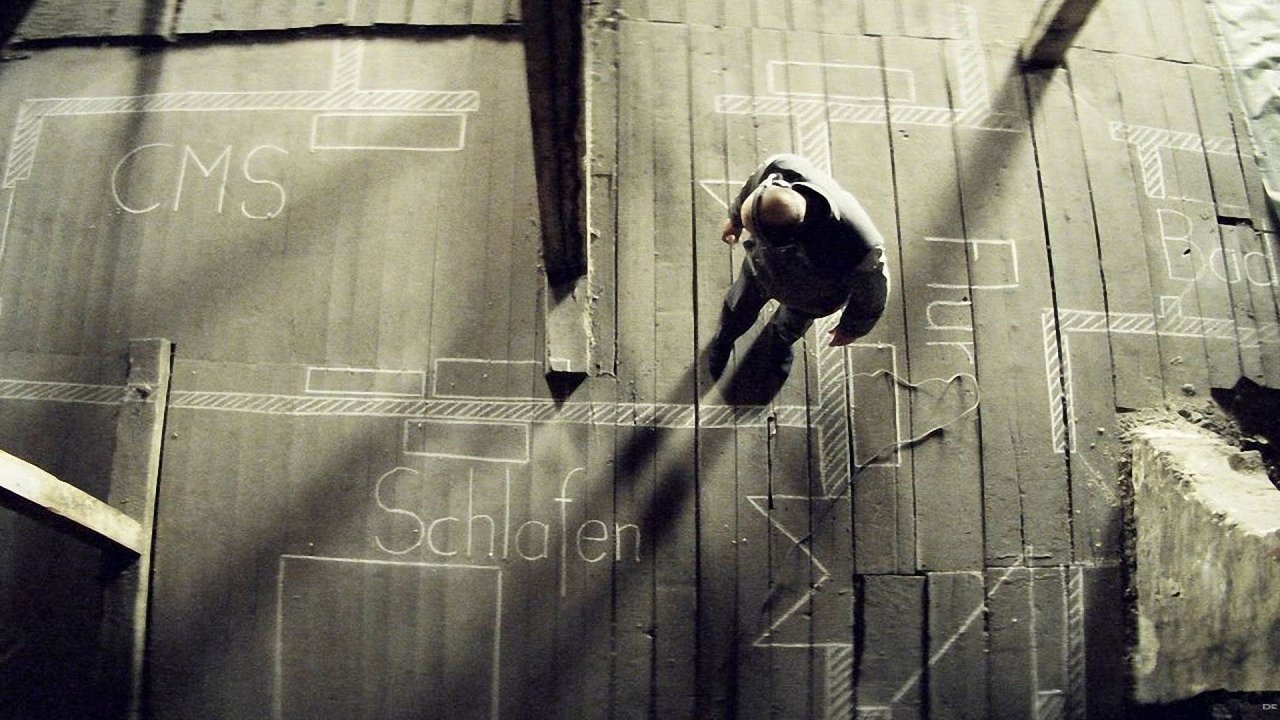
East Berlin, 1984. A Stasi captain is assigned to bug the apartment of a playwright and his actress partner, and settles into the attic above them with headphones and a logbook. Ulrich Mühe plays him with almost no expression at all — a man whose entire professional skill is not being a person.
It won the Academy Award for Best International Feature and the European Film Award for Best Film, and it remains the definitive screen account of life under the GDR. The tension is entirely one-way: the couple never know what the audience knows, and the film's method is to make you complicit in the listening. Mühe had himself been surveilled by the Stasi, and it is impossible to watch the performance without that fact sitting in the room.
2. Children of Men (2006)
Dir. Alfonso Cuarón · UK / US · Sci-Fi / Thriller
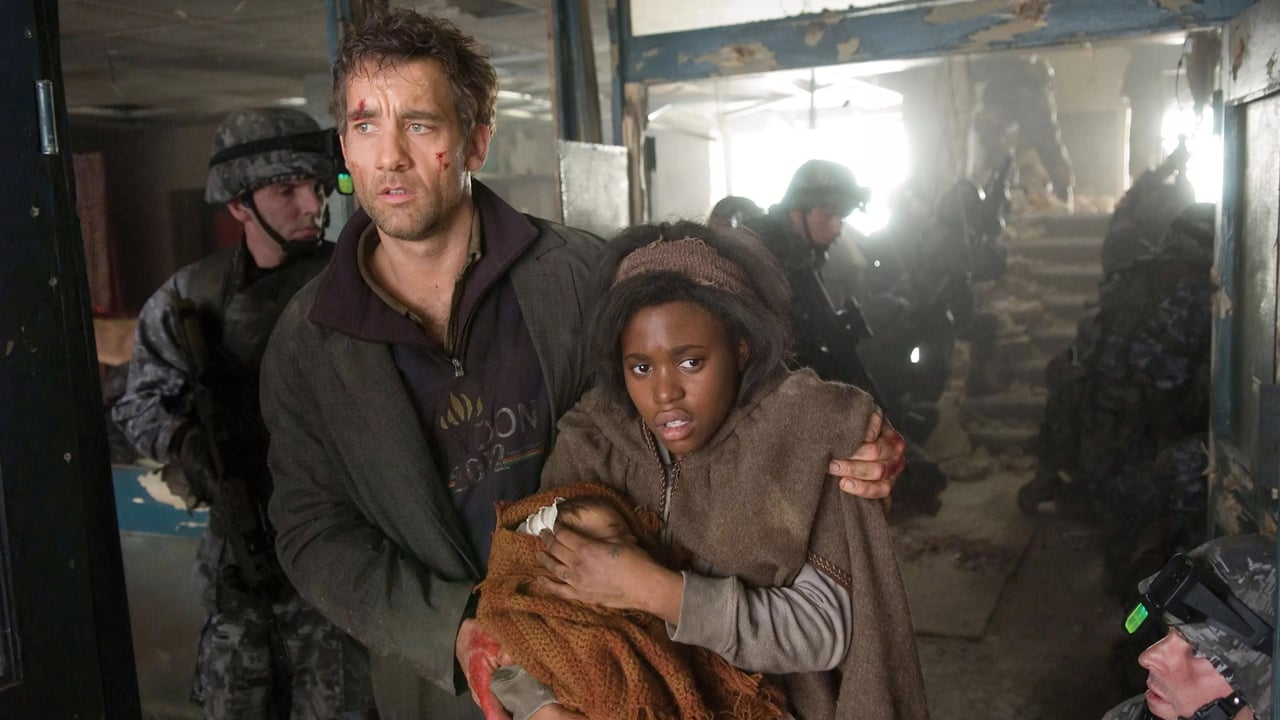
Britain in 2027, eighteen years into a global infertility crisis, is the last functioning state and has become a prison camp with a flag. Clive Owen's burnt-out former activist is pulled out of his numbness when a young refugee turns out, inexplicably, to be pregnant, and has to be moved across a country that has stopped pretending to be free.
Nominated for three Academy Awards including Adapted Screenplay and Cinematography, and the cinematography is the reason people still argue about it: Emmanuel Lubezki's long unbroken takes put you inside the chaos rather than above it, with no cut to relieve you. Cuarón is Mexican but the film is a British production through and through, and its vision of a Britain administering its own decline has aged into something closer to reportage.
3. The Third Man (1949)
Dir. Carol Reed · UK · Crime / Mystery / Thriller
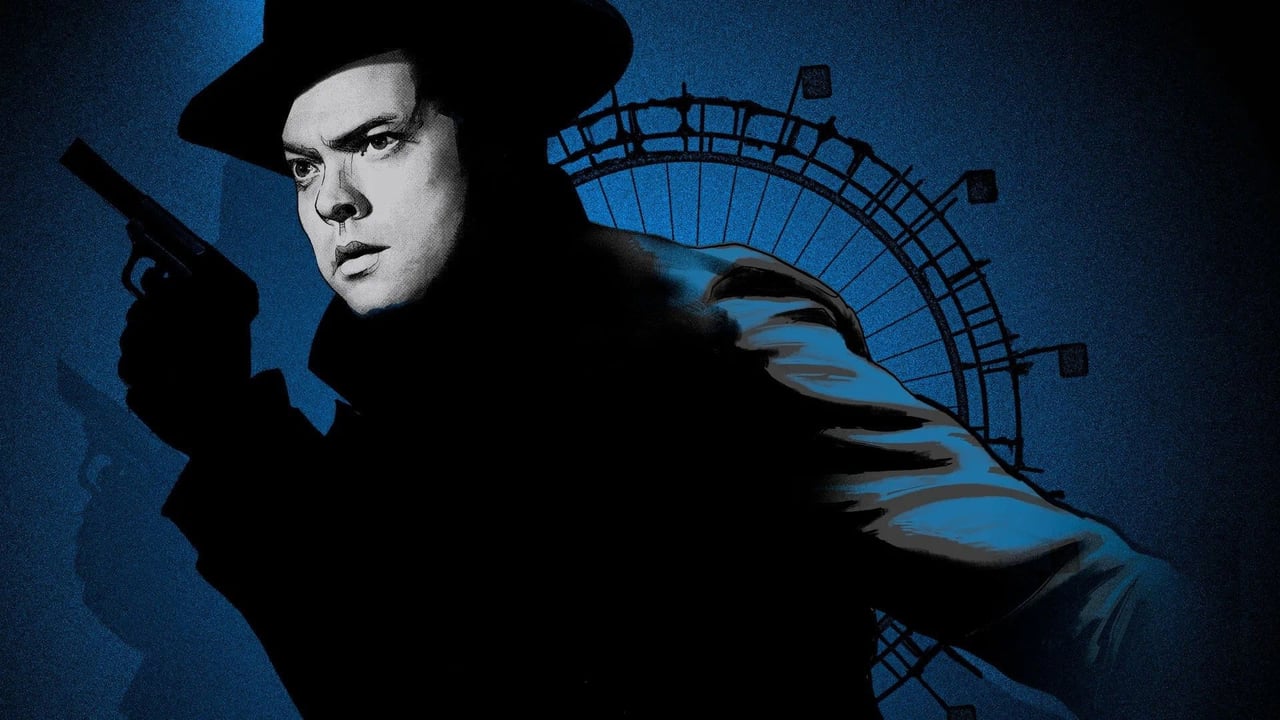
Vienna in 1949, carved into four zones of occupation and still mostly rubble. Joseph Cotten's cheerfully out-of-his-depth pulp novelist arrives to take a job from his old friend Harry Lime and finds a funeral instead. The accounts of how Lime died do not agree with each other.
It took the Grand Prix at Cannes, the Academy Award for Robert Krasker's cinematography and the BAFTA for Best British Film. Everything about it has been imitated since: the canted angles, the wet cobbles thrown into relief by a single streetlamp, Anton Karas's zither score playing merrily over a city of black markets and missing people. Orson Welles is on screen briefly and the film never recovers its balance afterwards, which is precisely the intention.
4. M (1931)
Dir. Fritz Lang · Germany · Crime / Thriller
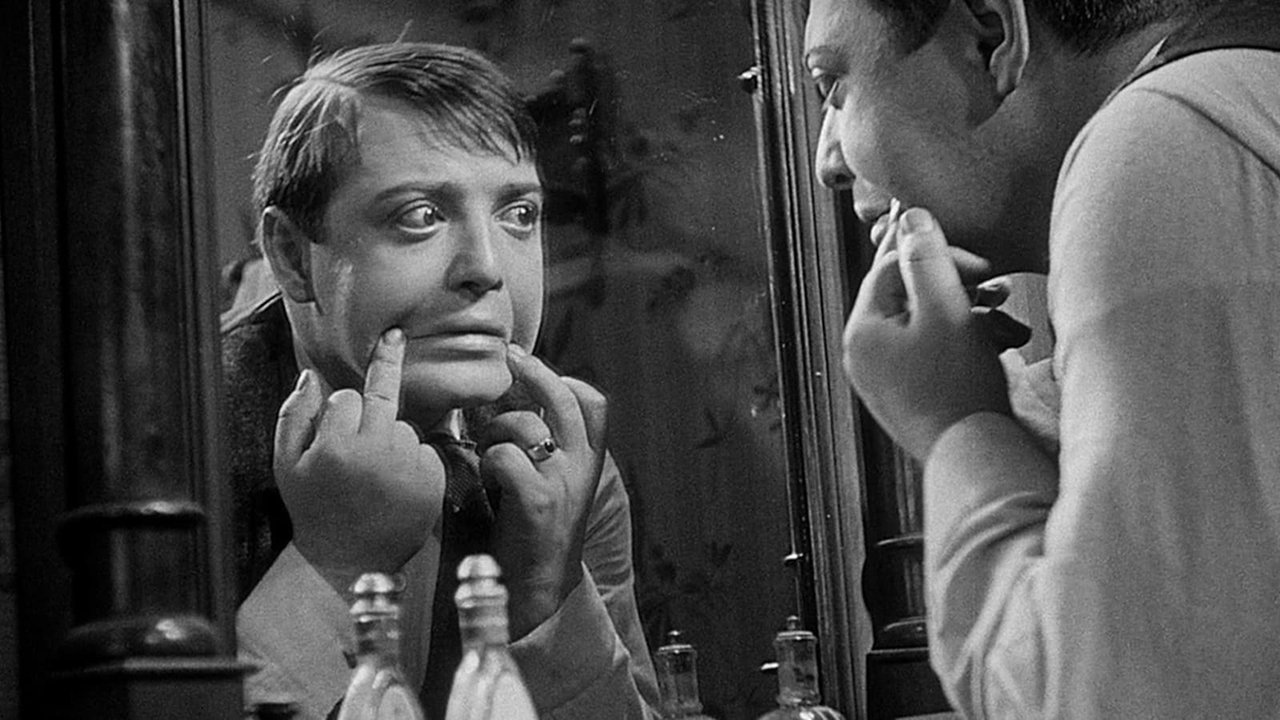
A child murderer is at work in Berlin, and the police response is so heavy that the city's organised criminals — unable to do business under the scrutiny — decide to conduct the manhunt themselves. Peter Lorre, then twenty-six, plays the killer as a soft, panicking, unbearably ordinary man.
Lang's first sound film, and it uses sound like nobody had thought to: whole stretches play in silence, and the murderer is identified by a whistled scrap of Grieg. It is a thriller assembled almost entirely out of procedure — maps, dragnets, surveillance, a criminal court convened in a cellar — and it invented most of what the genre still does ninety years later. The police and the underworld run parallel investigations, and Lang cuts between them until the two become hard to tell apart.
5. The Hunt (2012)
Dir. Thomas Vinterberg · Denmark · Drama / Thriller
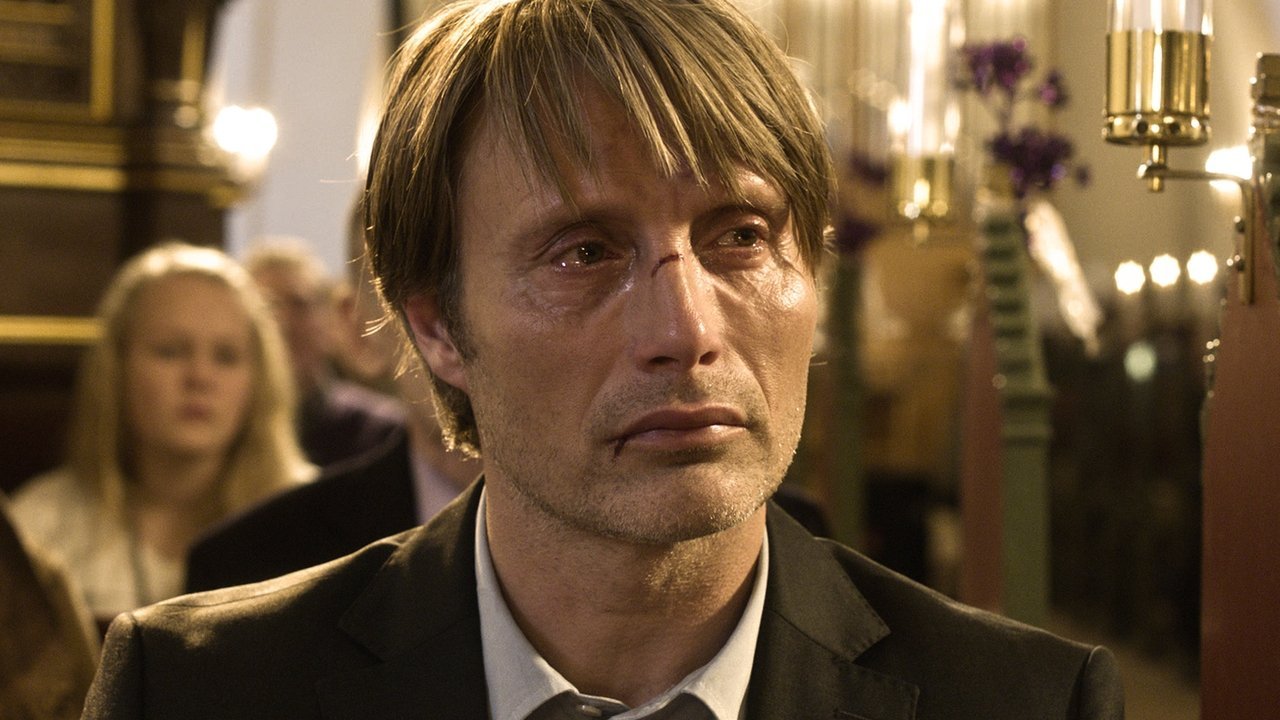
Lucas works at a kindergarten in a small Danish town where he has lived all his life and where everyone hunts together, drinks together and minds each other's children. A five-year-old says something she does not understand the weight of, an adult repeats it, and the town begins to reorganise itself around a fact that is not one.
Mads Mikkelsen won Best Actor at Cannes and the film was nominated for the Academy Award for Best International Feature. Vinterberg, who made Festen about the opposite case, films this one as a slow procedural of social contagion: no villains, only neighbours behaving reasonably given what they believe. It is among the most stressful films on this list and there is not a single act of violence in its first hour.
6. Caché (2005)
Dir. Michael Haneke · France / Austria / Germany / Italy · Thriller / Mystery
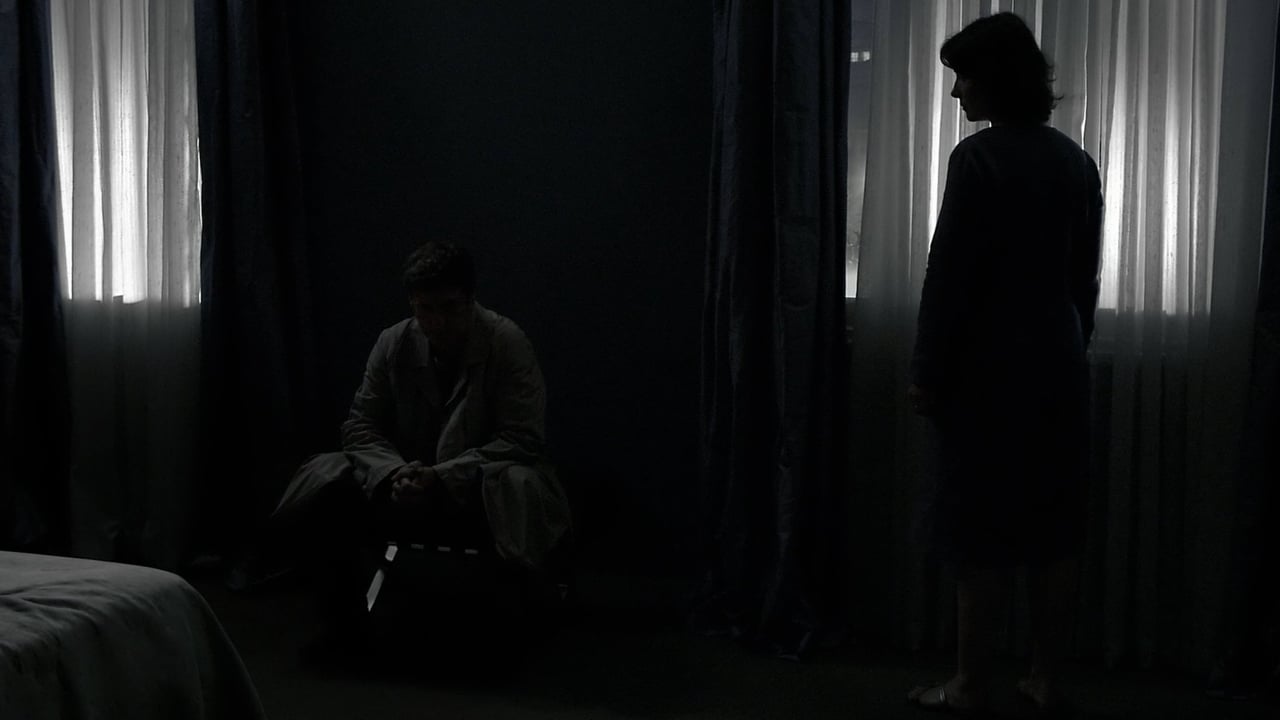
A Parisian television host and his wife, played by Daniel Auteuil and Juliette Binoche, start receiving videotapes on their doorstep. The tapes are long static shots of their own front door, filmed from the street. Later ones arrive wrapped in childlike drawings. Nobody has broken in; nothing has been taken.
Haneke won Best Director at Cannes and the film took the European Film Award for Best Film. The surveillance is the surface; underneath it is a private guilt that opens onto a national one, France's suppressed memory of the 1961 massacre of Algerian protesters in Paris. Haneke shoots much of it in the same flat, unblinking style as the tapes themselves, so you are never entirely sure whether you are watching the film or the footage.
7. The Wages of Fear (1953)
Dir. Henri-Georges Clouzot · France / Italy · Thriller
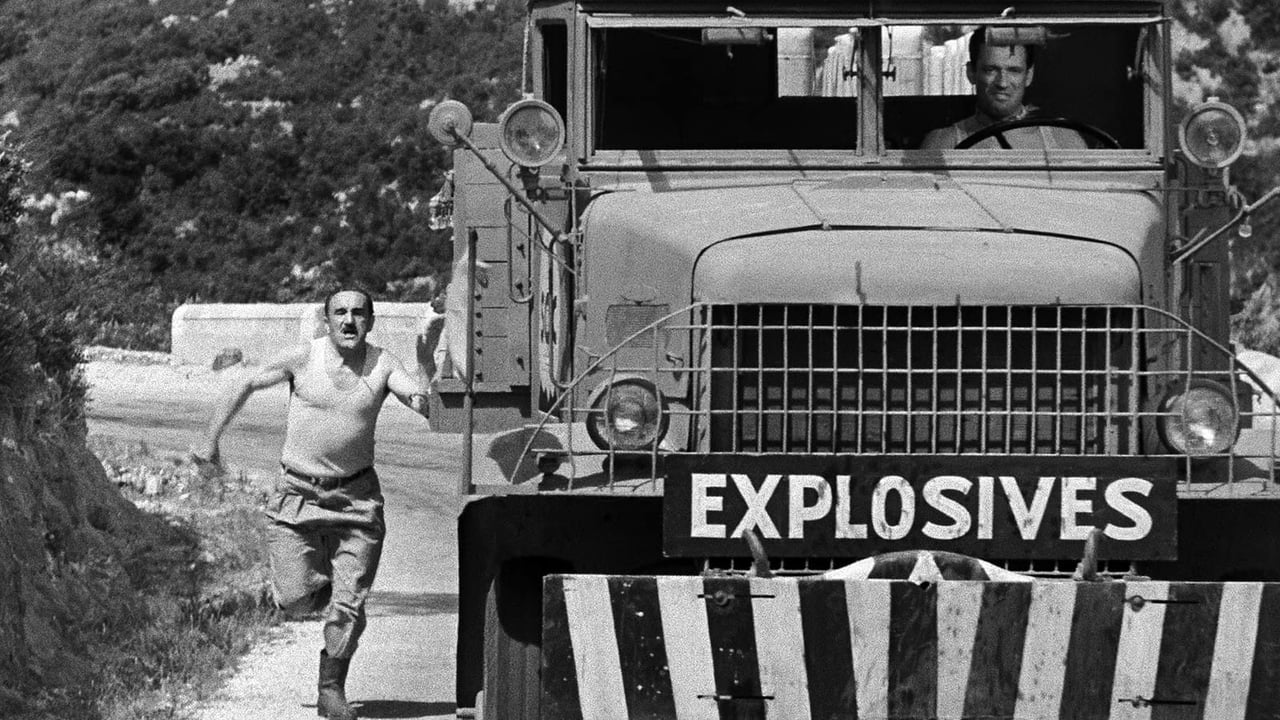
Four men are stranded in a South American oil town with no money and no way out. An American company needs two truckloads of nitroglycerine driven three hundred miles over unmade mountain roads to cap a well fire, and is willing to pay anyone desperate enough to try. The nitroglycerine detonates if it is jolted.
It won the Palme d'Or at Cannes and the BAFTA for Best Film, and it is still the benchmark for sustained physical suspense — Clouzot spends a full hour establishing the town and the men before a single truck moves, so that when they do you know exactly what is being risked. The famous sequences involving a rotten wooden platform and a patch of oil are studied by directors to this day. Yves Montand's performance made him a film star.
8. Room (2015)
Dir. Lenny Abrahamson · Ireland / Canada / UK / US · Drama / Thriller
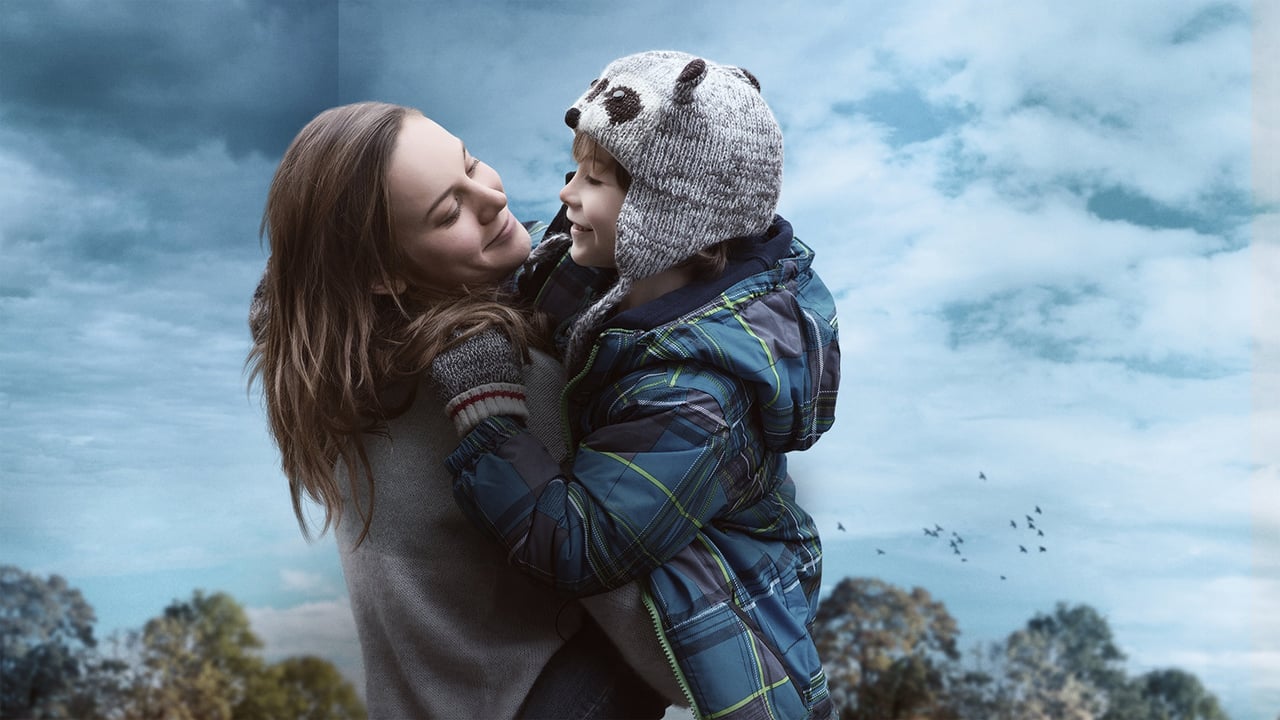
Jack is five and has spent his whole life in a single windowless room with his mother. He believes the room is the world and that everything on the small television is invented. Brie Larson plays a woman sustaining that belief deliberately, as the only kindness available to her, while planning.
Larson won the Academy Award for Best Actress and the film was nominated for Best Picture and Best Director. Abrahamson films Emma Donoghue's novel almost entirely at Jack's eye level, which turns the confinement into something stranger than horror — for the child it is simply home. Jacob Tremblay is astonishing. It is the most emotionally punishing film here and, unusually for this list, not a cynical one.
9. Z (1969)
Dir. Costa-Gavras · France / Algeria · Thriller / Drama
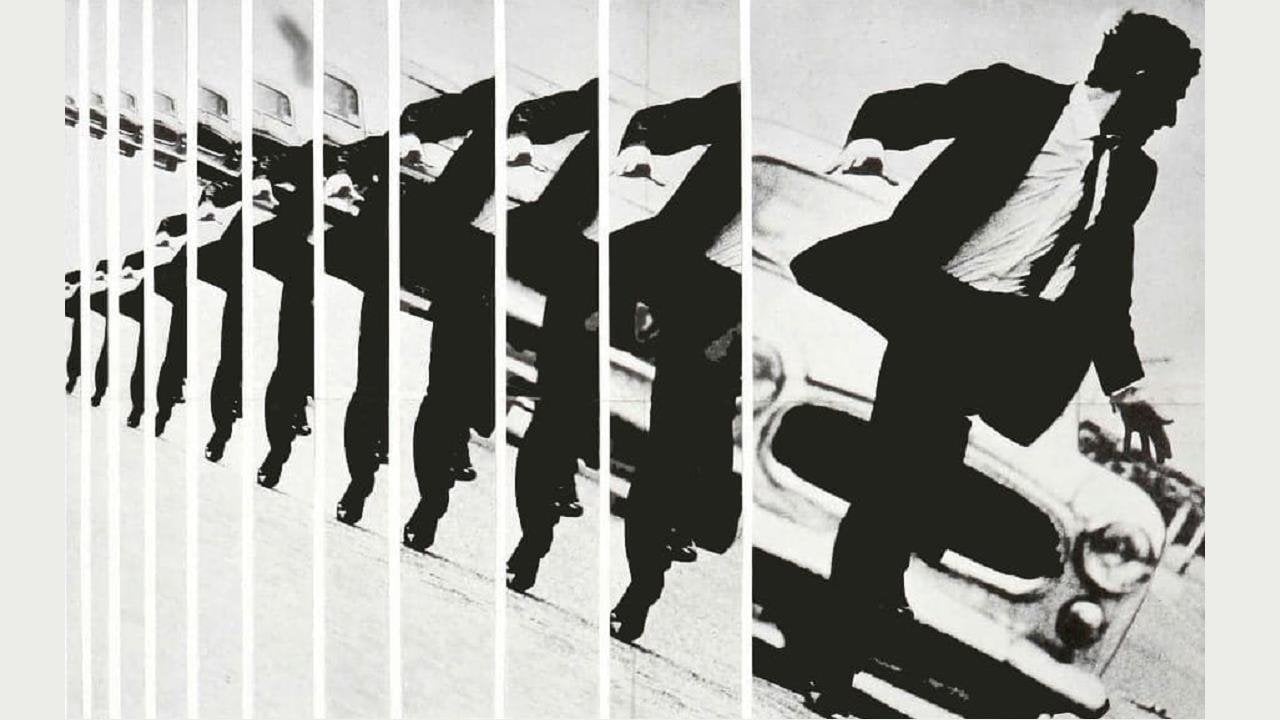
In an unnamed Mediterranean country that is transparently Greece, a charismatic opposition politician is struck down after a rally and the authorities record it as a traffic accident. An examining magistrate, working under enormous official pressure and with no particular interest in politics, begins checking the details.
Costa-Gavras made the template that every political thriller since has borrowed: the procedural rhythm, the documentary texture, the mounting sense that the institutions themselves are the antagonist. Made in French with a largely French cast because the Greek junta was still in power, scored by Mikis Theodorakis from house arrest. It won the Academy Award for Best Foreign Language Film and the Cannes Jury Prize, and was nominated for Best Picture — still a rarity for a subtitled film.
10. As Bestas (2022)
Dir. Rodrigo Sorogoyen · Spain / France · Drama / Thriller
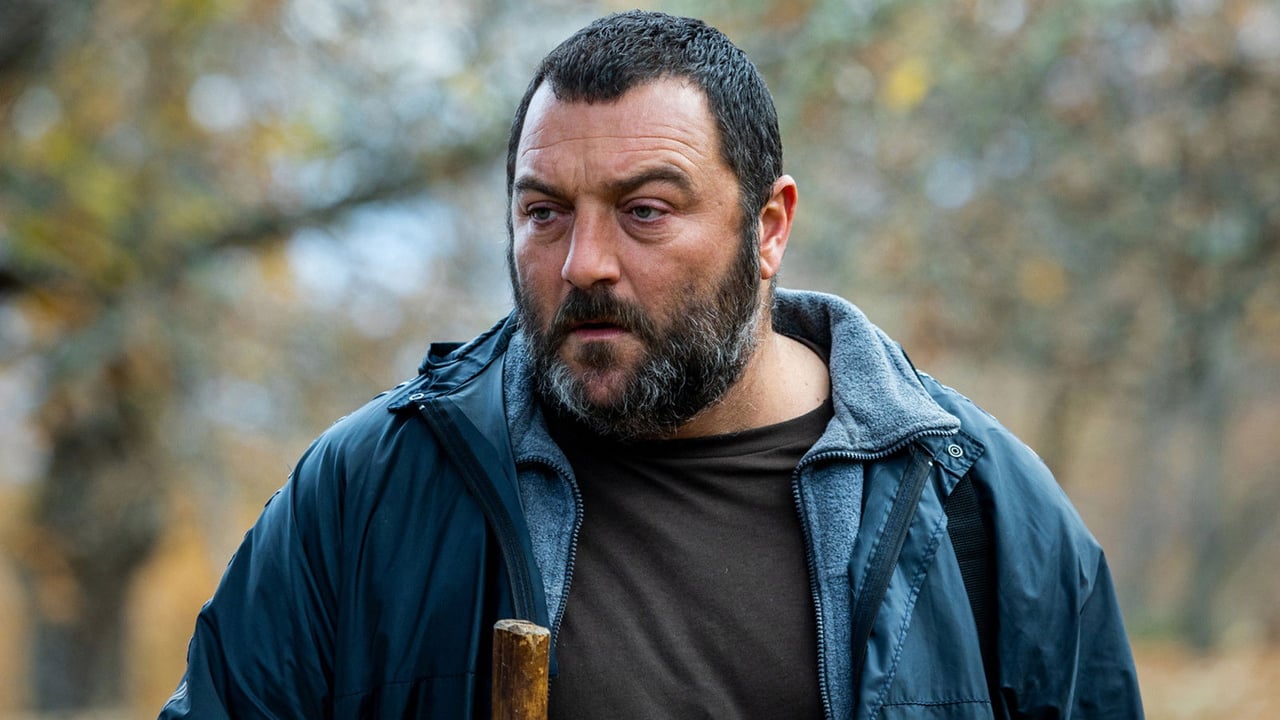
A French couple have moved to a depopulated village in Galicia to farm organically. A wind-farm company offers to buy out the whole village, which would make several very poor families solvent, and the incomers vote against. Two local brothers make it clear that this is not going to be the end of the matter.
It won the Goya for Best Film and the César for Best Foreign Film after premiering in the Cannes Premiere section. Denis Ménochet and Luis Zahera circle each other for two hours in a bar and a field, and Sorogoyen keeps the camera at a documentary distance so nothing is underlined. The dread is agricultural: slow, seasonal, entirely made of neighbours who are not going anywhere and neither are you.
11. The Prestige (2006)
Dir. Christopher Nolan · UK / US · Mystery / Thriller
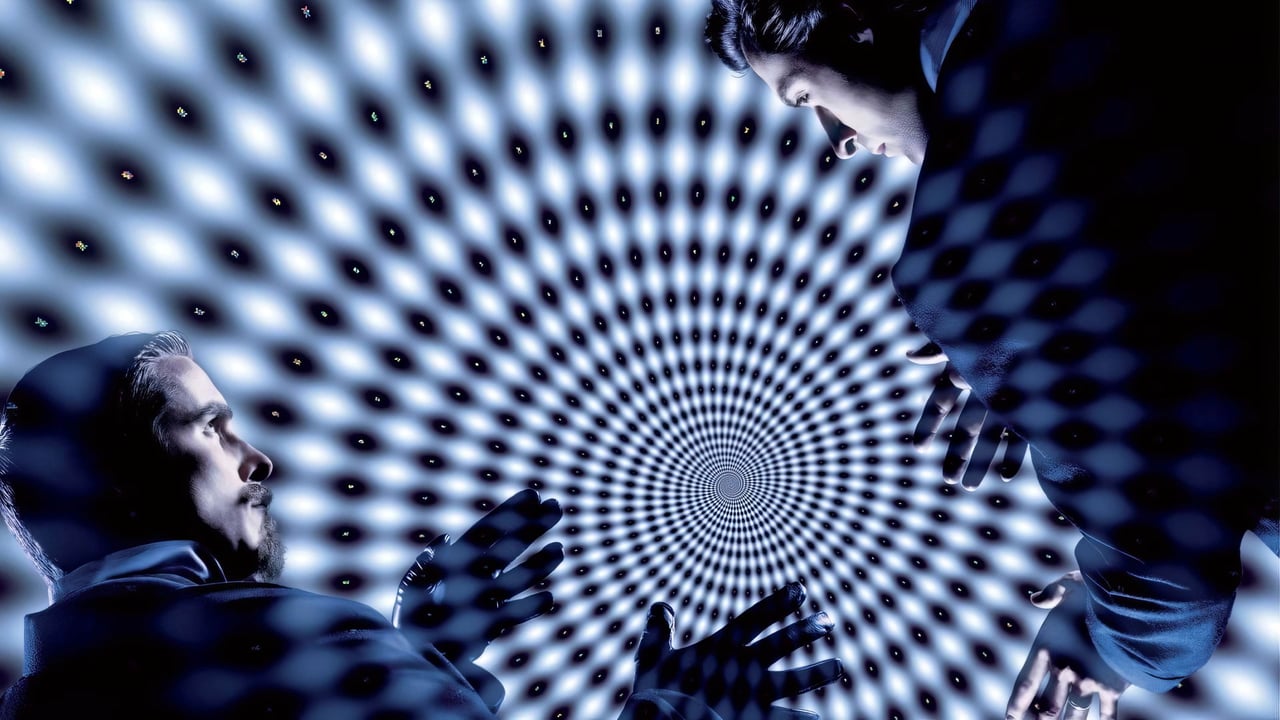
Two Victorian stage magicians begin as colleagues in the same act. An accident during a performance turns them into enemies, and the rivalry escalates from sabotage into obsession, each man dismantling his own life to work out how the other does the trick.
Nominated for Academy Awards for cinematography and art direction, and structured, appropriately, as a magic trick — Nolan builds the whole film around the three-part structure of an illusion that Michael Caine's stage engineer explains in the opening minutes. Hugh Jackman and Christian Bale are both playing men who have decided that a secret is worth more than a life. Nolan is British, the production is British, and the London of gaslight and sawdust is filmed as a genuinely dangerous place.
12. V for Vendetta (2005)
Dir. James McTeigue · UK / Germany / US · Thriller / Political
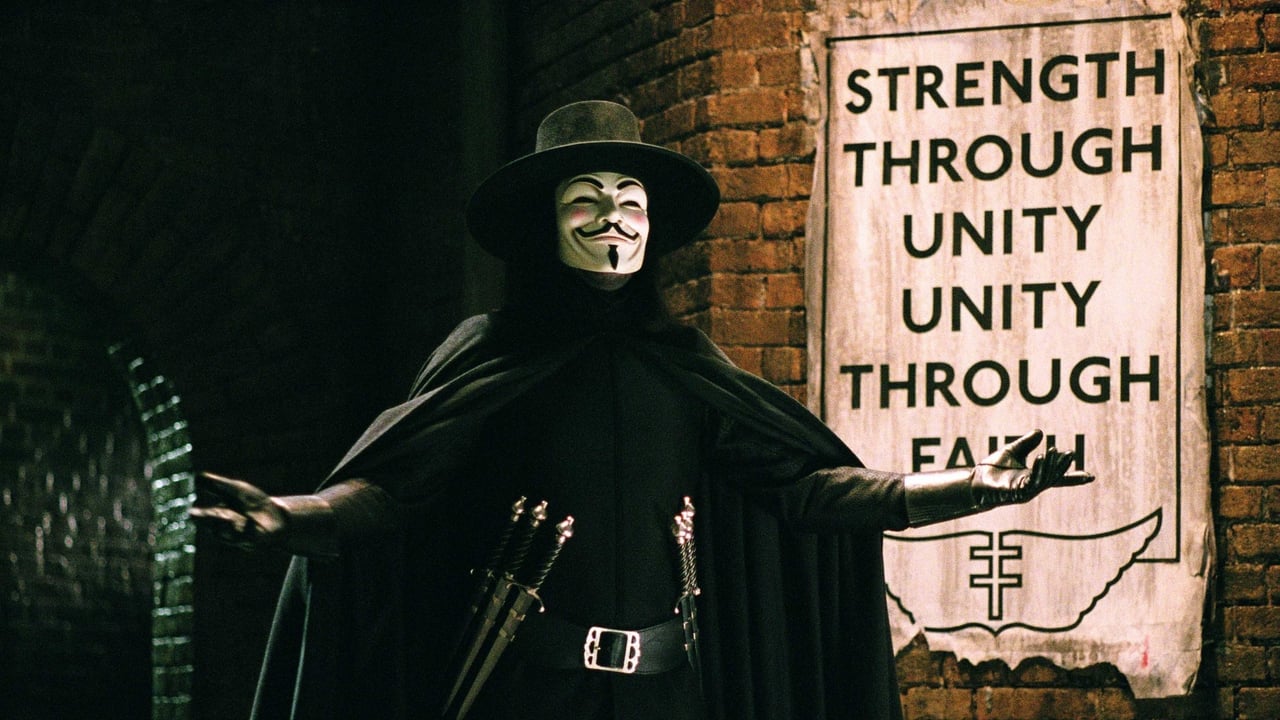
Britain under the Norsefire party: curfew, a state broadcaster, a virus nobody is allowed to ask about. A masked man who calls himself V pulls a young television worker out of the hands of the secret police, takes her to a basement gallery of banned art, and invites her to watch what he intends to do to the government.
Adapted by the Wachowskis from Alan Moore's graphic novel and shot in Berlin and London, it won the Hugo Award for Best Dramatic Presentation. Hugo Weaving performs the entire role behind a fixed mask, which forces everything into the voice and the hands. Natalie Portman carries the film's actual argument. Its imagery escaped the film almost immediately — the mask has been worn at protests on every continent since, which is a strange fate for a piece of studio filmmaking.
13. Dogtooth (2009)
Dir. Yorgos Lanthimos · Greece · Drama / Thriller

Three adult children have been raised inside the walls of a family compound and have never left it. Their parents have taught them a deliberately falsified vocabulary — the word for sea means armchair — and a mythology in which the outside is lethal and adulthood arrives when a canine tooth falls out.
It won the Un Certain Regard prize at Cannes and was nominated for the Academy Award for Best International Feature, and it announced Lanthimos as a major and genuinely unpleasant talent. The framing is deadpan and often decapitates its subjects at the neck; the violence, when it comes, is delivered in the same flat register as everything else. It is a thriller about language as a cage, and it is not remotely comfortable viewing.
14. Rififi (1955)
Dir. Jules Dassin · France · Crime / Thriller
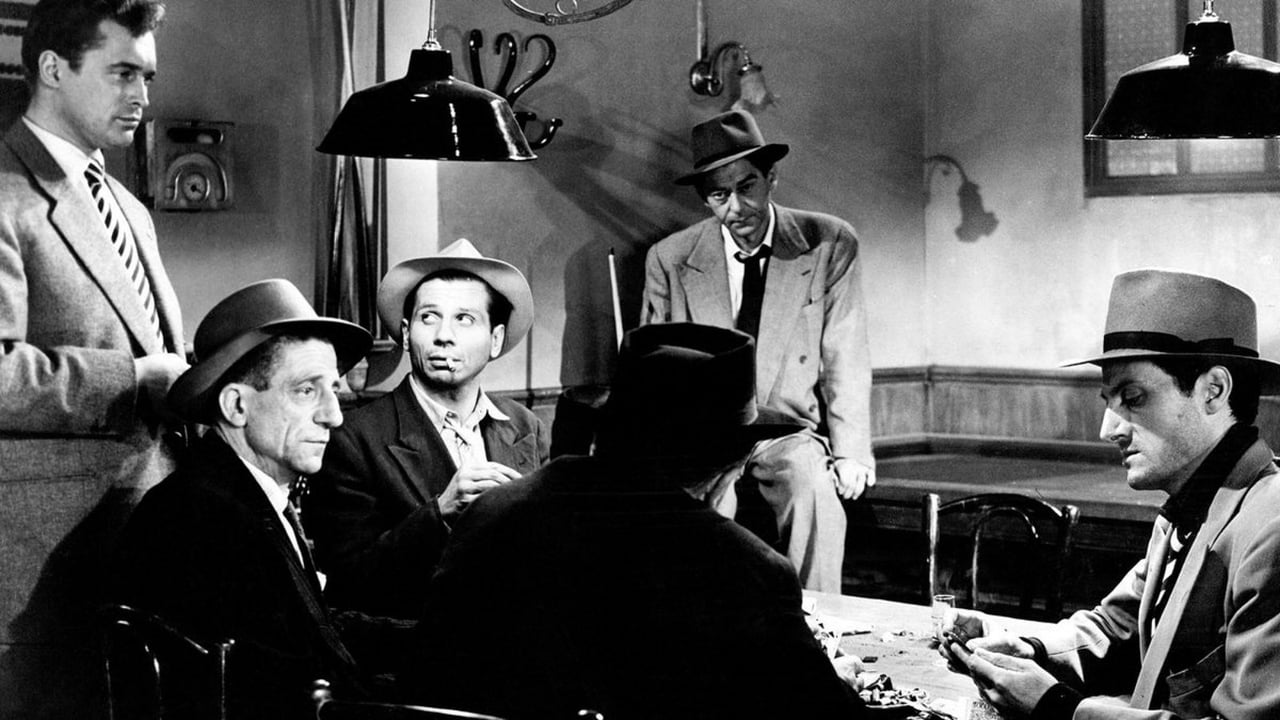
Tony le Stéphanois comes out of prison after five years, ill and broke, and lets his old crew talk him into a jewellery robbery on the Rue de Rivoli. The break-in occupies almost half an hour of screen time and contains no dialogue and no music whatsoever — only scraping, breathing and the sound of a floor being opened.
Dassin won Best Director at Cannes, which is remarkable given that he made the film in France as a blacklisted American with almost no money. That silent central sequence became the template for every heist film that followed and was imitated so precisely, so often, that several countries reportedly worried it was instructional. What surrounds it is bleaker than the imitations: a study of ageing men in a criminal economy that has no use for loyalty.
15. The Others (2001)
Dir. Alejandro Amenábar · Spain / US / France · Mystery / Thriller
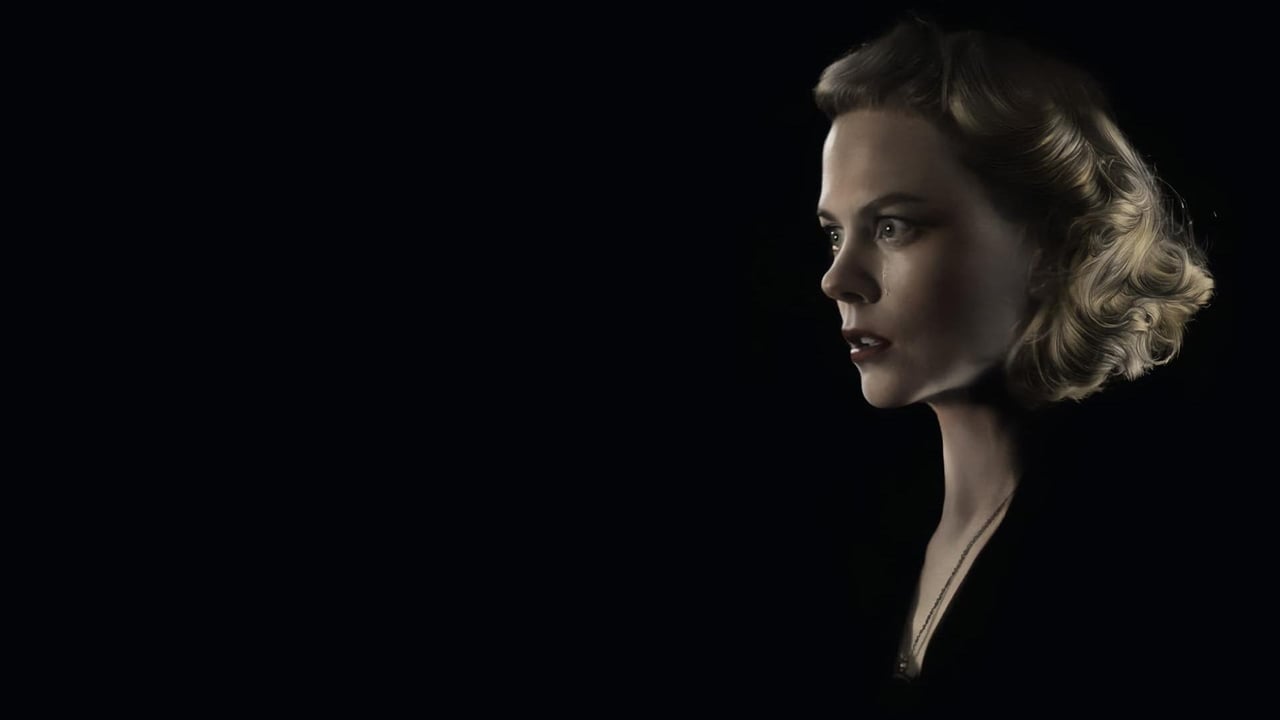
A fog-bound house on Jersey, just after the war. Nicole Kidman's devout, rigid mother waits for a husband who has not come back from the front and cares for two children with a condition that makes daylight dangerous to them, so the house is kept dark and every door locked behind you. Three servants arrive looking for work.
It won the Goya for Best Film and Best Director, the first English-language film ever to do so, and was nominated for the European Film Award. Amenábar wrote, directed and scored it, and builds almost everything from restriction: closed curtains, held keys, oil lamps carried from room to room. Kidman gives one of her best performances as a woman whose faith and her fear have become the same instrument.
16. Promising Young Woman (2020)
Dir. Emerald Fennell · UK / US · Drama / Thriller

Cassie dropped out of medical school and works in a coffee shop. Her evenings are spent in bars, apparently too drunk to stand, waiting for a decent man to offer her a lift home. Carey Mulligan plays her with a flat, exhausted competence that is far more unsettling than rage would be.
Emerald Fennell won the Academy Award for Best Original Screenplay and the film took the BAFTA for Outstanding British Film. It is shot in sweet-shop pinks and scored to pop, which is the trap: the surface keeps promising a comedy and the film keeps declining to be one. Bo Burnham is very well used. It provoked genuine argument on release, and the argument was the point rather than a side effect.
17. The Vanishing (1988)
Dir. George Sluizer · Netherlands / France · Thriller / Mystery
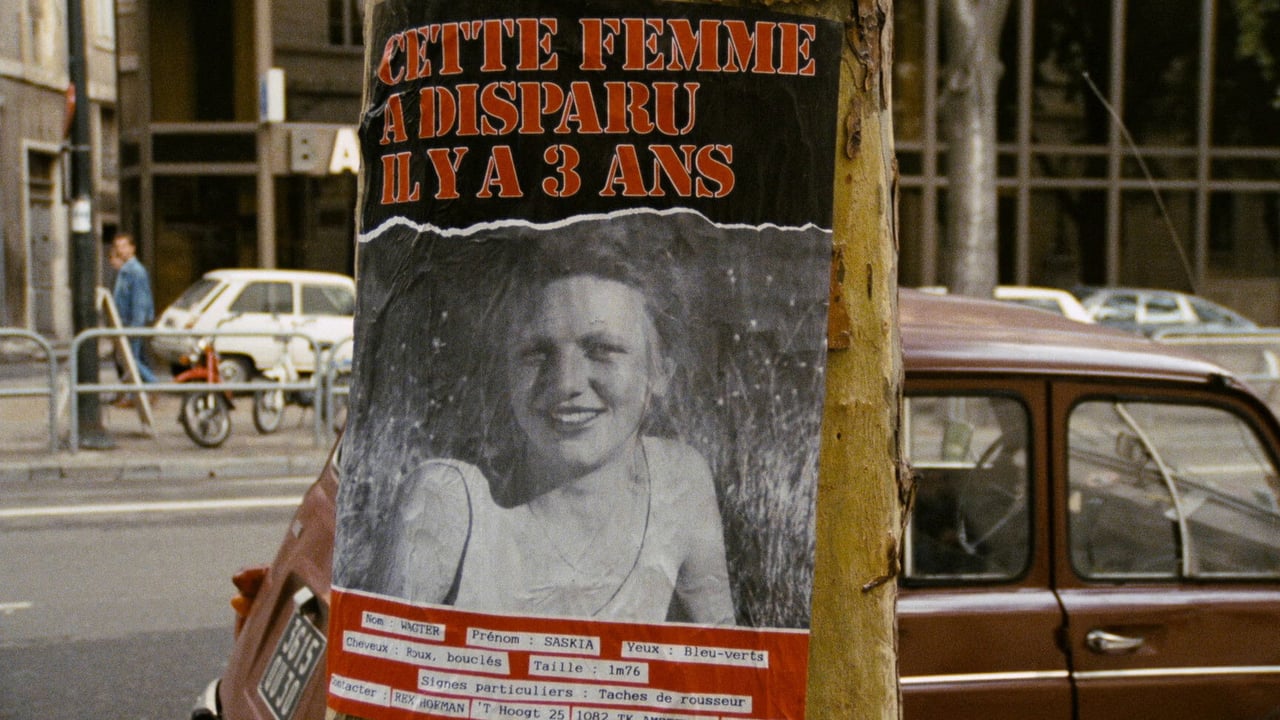
A Dutch couple stop at a busy motorway service station in France. She goes inside to buy drinks and does not come back. Three years later he is still looking, and has stopped being able to do anything else. The film tells you early who took her, and then shows you his family life.
It won the European Film Award for Best Film, and its structure is the reason it is still discussed: by removing the mystery of who, Sluizer leaves only the far worse question of what happened, and lets the boyfriend's need to know become as frightening as the crime. Bernard-Pierre Donnadieu plays the abductor as a pedantic, self-satisfied family man rehearsing a project. Avoid the English-language remake, which the same director made and which loses its nerve completely.
18. Conclave (2024)
Dir. Edward Berger · UK / US · Drama / Thriller
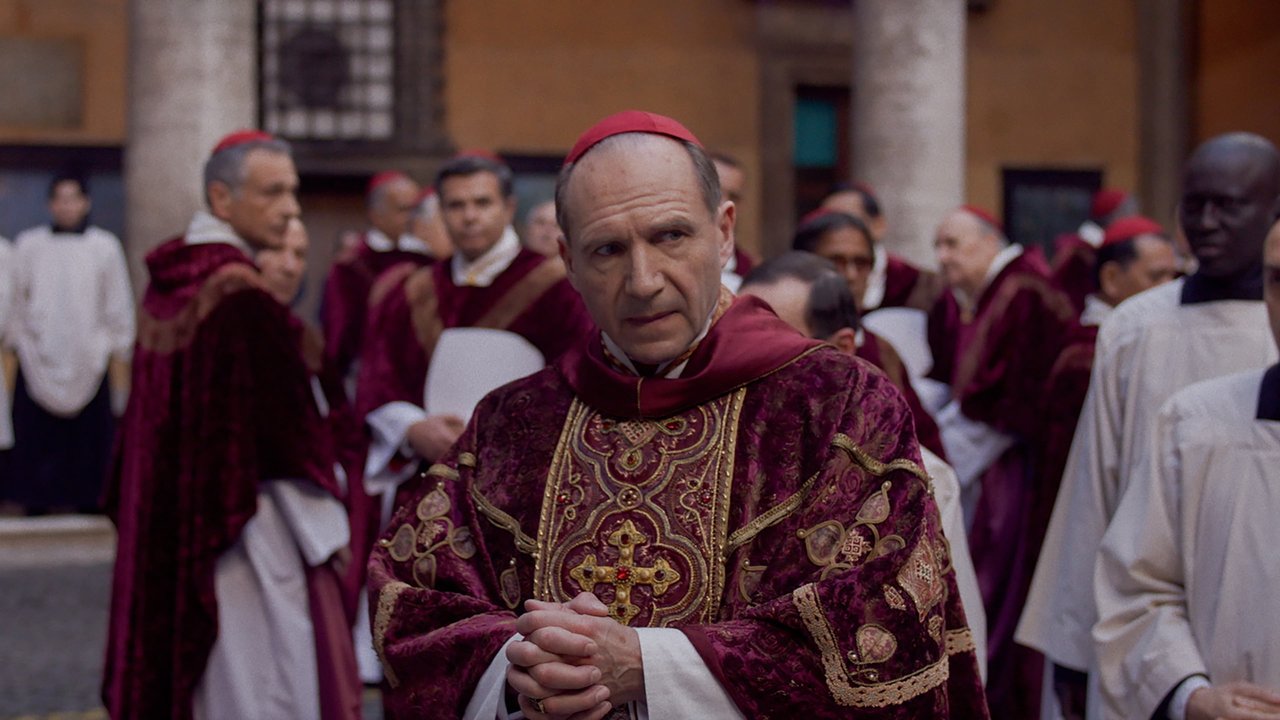
The Pope dies and Ralph Fiennes's Dean of the College of Cardinals must lock a hundred and eight men inside the Vatican until they produce a successor. He would rather not be doing it, believes in very little at this point, and discovers almost immediately that several of the leading candidates have things they would prefer the others not to learn.
It won the Academy Award for Best Adapted Screenplay and the BAFTA for Best Film. Berger, who made Deutschland 83 and All Quiet on the Western Front, shoots Robert Harris's novel as a procedural: ballots counted, corridors walked, whispered arithmetic in stairwells. Stanley Tucci, John Lithgow and Isabella Rossellini circle Fiennes, and Volker Bertelmann's score treats a sealed room of elderly men as a genuine pressure vessel.
19. Run Lola Run (1998)
Dir. Tom Tykwer · Germany · Thriller / Action
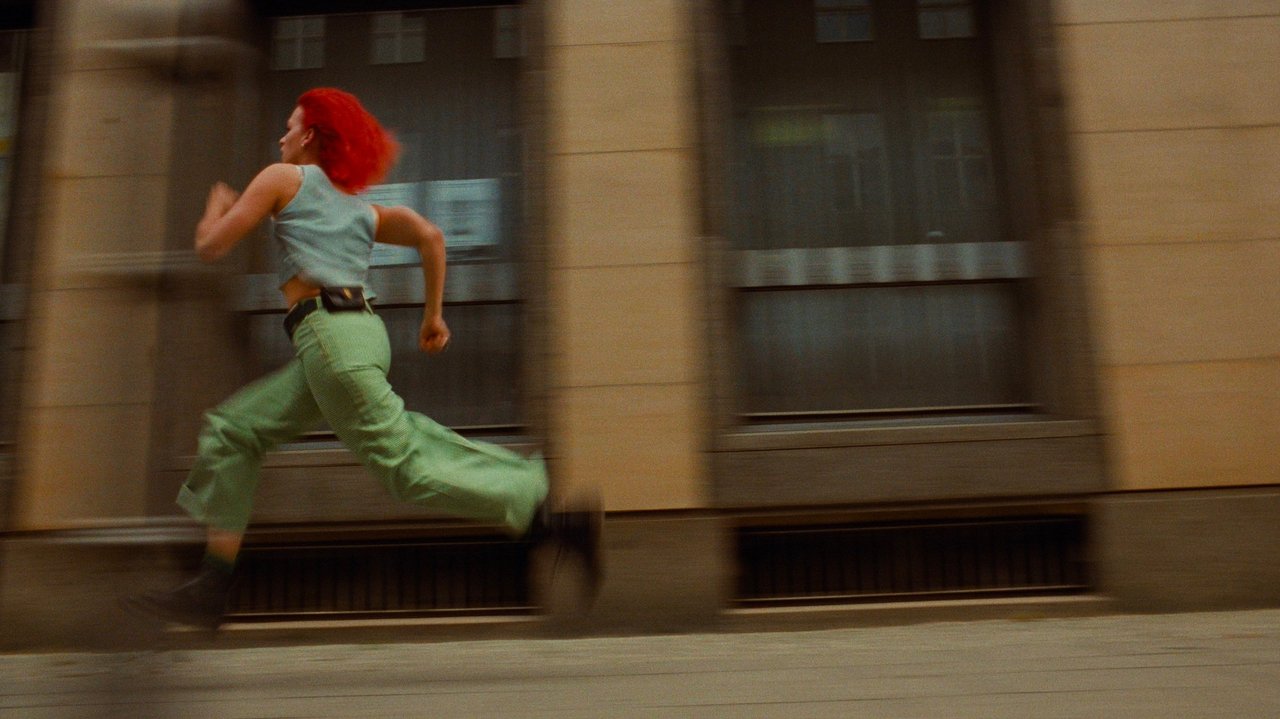
Lola's boyfriend has lost a bag containing a hundred thousand marks belonging to people who will kill him for it. She has twenty minutes to find the money and reach him. Then the twenty minutes happen again, from the start, with one small thing different — and again.
It won the German Film Award for Best Feature and the Audience Award at Sundance, and it did more than any other film to persuade the world that German cinema could be fast. Franka Potente runs for most of the eighty-minute running time through a Berlin shot in saturated colour and cut to a techno score Tykwer co-wrote. Underneath the kinetics is a serious proposition about contingency: tiny variations, wildly different lives, delivered at a sprint.
20. The Last King of Scotland (2006)
Dir. Kevin Macdonald · UK / Germany · Drama / Thriller
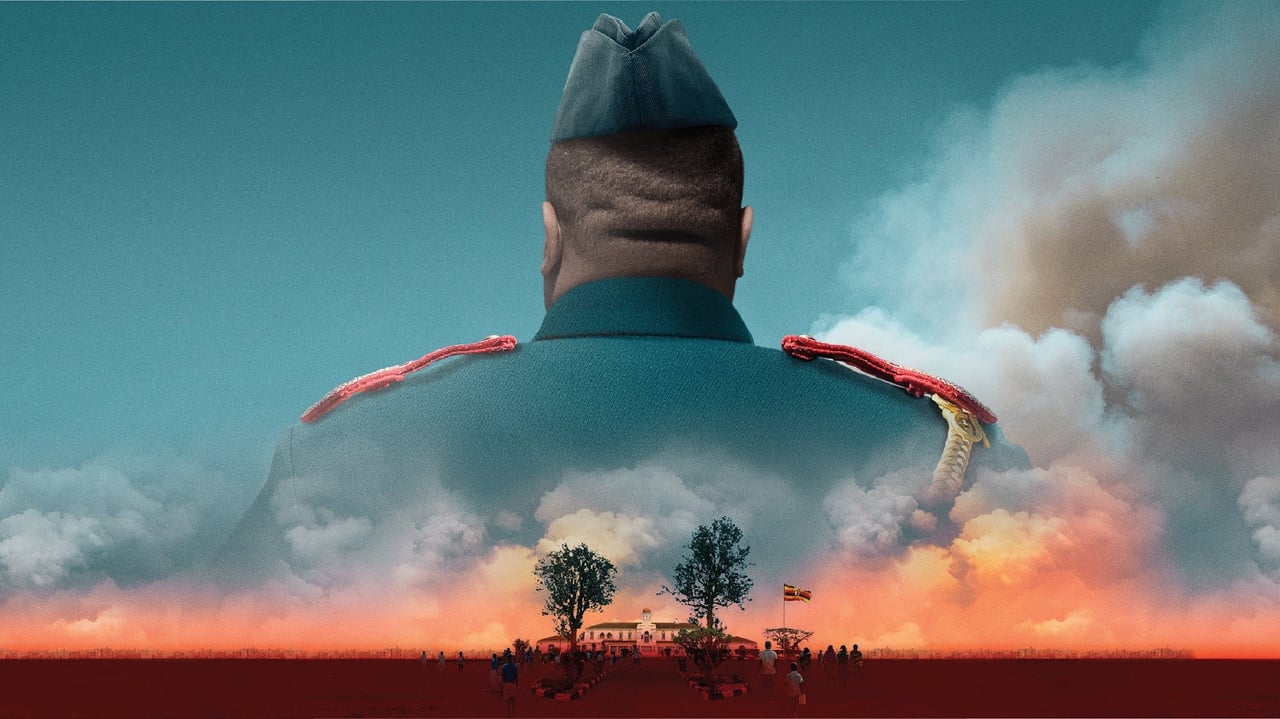
A newly qualified Scottish doctor arrives in Uganda in 1971 looking for adventure and talks his way into the orbit of the new president. James McAvoy plays him as callow and flattered; Forest Whitaker plays Idi Amin as enormous, funny, warm and entirely unpredictable, which is far more frightening than a monster would be.
Whitaker won the Academy Award and the BAFTA for Best Actor. Kevin Macdonald came from documentary and shoots it accordingly, on 16mm and largely on location, so the charm of the early scenes is as convincing as what follows it. The film is careful about its own device: the Scottish doctor is fictional, and the story is finally about how easily an outsider mistakes proximity to power for safety.
Where to Start
For pure momentum, The Wages of Fear — nothing here grips harder once the trucks move, and nothing else on this list has been imitated so often. The Lives of Others is the one to watch if you want to understand what the European thriller does that the American one does not. M is the historical foundation and still startlingly modern. Run Lola Run is the shortest and the most fun. The Hunt and Room are the hardest to sit through and the ones most likely to stay with you, and The Vanishing is the one you are least likely to have heard of and most likely to thank us for.
The television equivalent of this list is our 15 Must-Watch European Thriller Series. For the neighbouring genre, see our 10 Must-Watch European Crime Films, and for the point where tension tips into something darker, our 10 Must-Watch European Horror Films.