From the Canal+ spy-thriller golden age to the Netflix-French breakthroughs that have travelled the world, ten essential series from a national television culture finally in full bloom.
French television spent decades in the shadow of French cinema. The Cahiers tradition treated the small screen as a junior medium, and for most of the 20th century the country's writers and directors funnelled their ambition into features. That changed, slowly through the 2000s and then decisively in the 2010s, when Canal+ began commissioning a generation of series that could stand on their own terms — among them Engrenages, Les Revenants, and the work that defined the new French prestige register, Le Bureau des Légendes. By the middle of the decade, France had a body of television that the rest of the continent was watching closely.
The Netflix era then pushed the corpus further. Lupin became the most-watched non-English-language series in the platform's history on its 2021 launch. International co-productions — Marie Antoinette with the BBC, Drops of God with Apple TV+, ZeroZeroZero with Sky Italia and Amazon — have given French producers access to budgets that the domestic market alone could never have supported. The result is a national television culture that is now exporting prestige drama at a scale comparable to Britain's or Scandinavia's.
The ten series below span fifteen years of production, from the founding works of the Canal+ wave through to the most recent Arte and Netflix premieres. Whether you're new to French television or filling in the gaps, here are ten series you need to watch.
1. The Bureau (2015)
Created by Éric Rochant · France · 5 seasons · 50 episodes
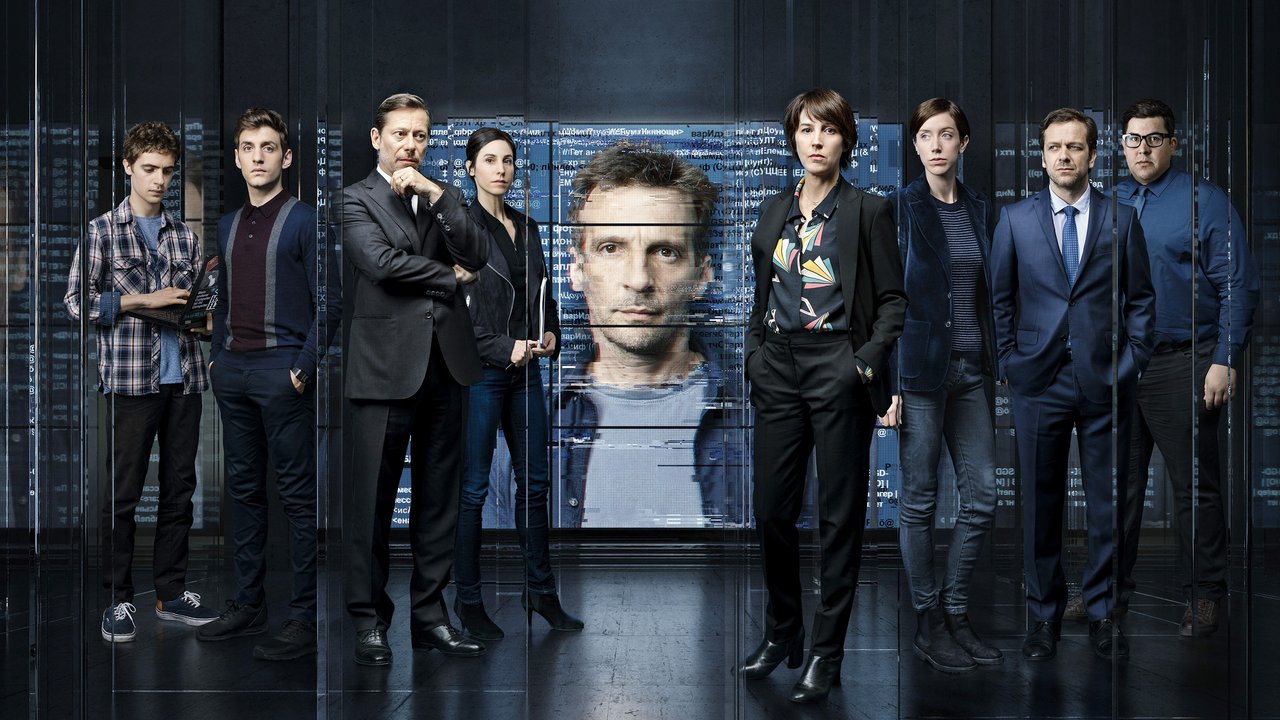
The most acclaimed French series of the modern era, and the one against which everything else on this list is, fairly or unfairly, measured. Éric Rochant's Canal+ production follows the DGSE's Bureau des Légendes — the directorate that runs France's deep-cover foreign intelligence officers. Mathieu Kassovitz plays Guillaume Debailly, codename Malotru, returning to Paris after six years undercover in Damascus and finding that he has not quite come back in.
The show's tradecraft has been praised by serving intelligence officers as the most plausible ever put on screen, but its real subject is the psychological cost of long-term clandestine work — the slow erosion of an officer's sense of where his real life is. Across fifty episodes the supporting ensemble (Florence Loiret-Caille, Sara Giraudeau, Jonathan Zaccaï, Mathieu Amalric in season five) builds one of the densest portraits of an institution in television. The Bureau is to French TV what The Wire is to American: a procedural so attentive to the texture of its world that it begins to feel like documentary.
2. Call My Agent (2015)
Created by Dominique Besnehard, Fanny Herrero · France · 4 seasons · 24 episodes
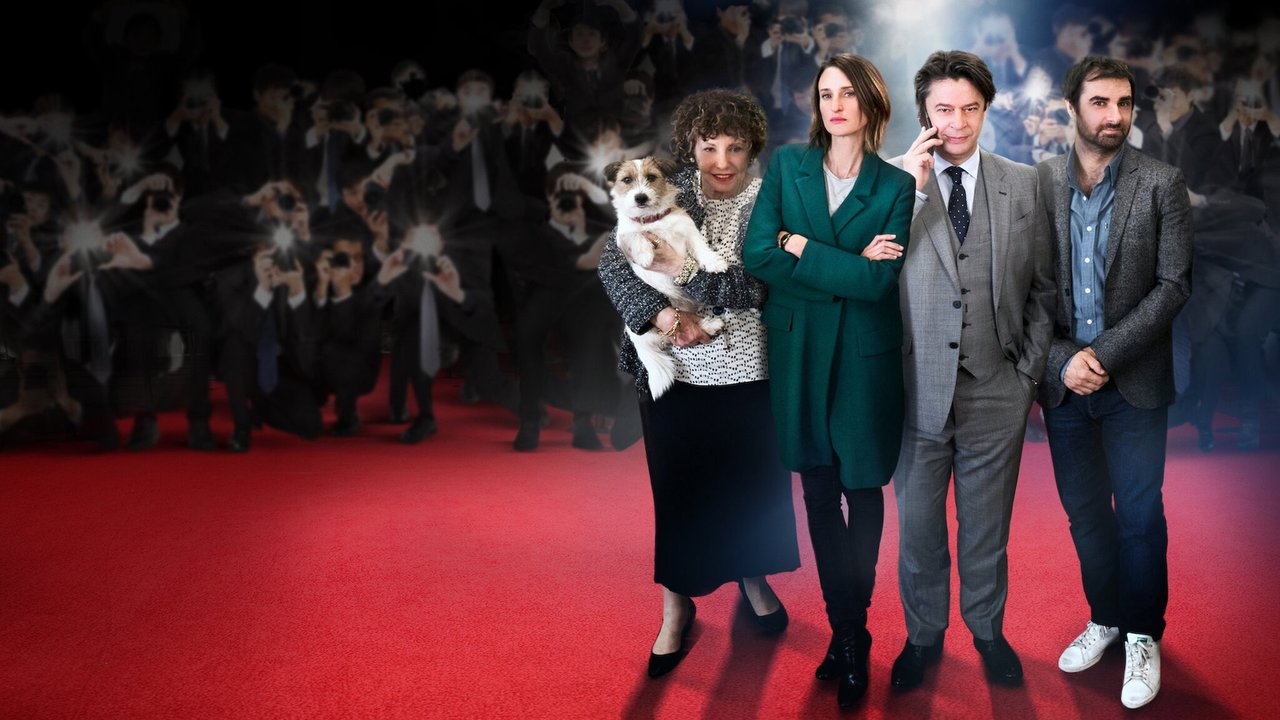
A small Paris talent agency, ASK, juggles its roster of capricious clients, internal romances, and the slow ambient panic of a business model under threat. Each episode brings a real French star — Cécile de France, Juliette Binoche, Isabelle Huppert, Monica Bellucci, Jean Dujardin, Sigourney Weaver in the fourth season — playing a heightened, often very funny version of themselves. The agency's four agents (Camille Cottin, Thibault de Montalembert, Grégory Montel, Liliane Rovère) absorb the chaos.
Created by Dominique Besnehard, a former agent himself, and developed across its four seasons by Fanny Herrero, the show became the most successful French comedy export of the decade, picked up by Netflix and adapted in Britain, Italy, and India. The original remains the definitive version: warmer, more specific to the Parisian film industry, more interested in its supporting characters than any of the remakes. It also gave Camille Cottin, as the abrasively brilliant agent Andréa, the role that made her an international star. The closest French television has come to 30 Rock, and a strong contender for the best European comedy of its decade.
3. Lupin (2021)
Created by George Kay, François Uzan · France · 3 parts · 17 episodes
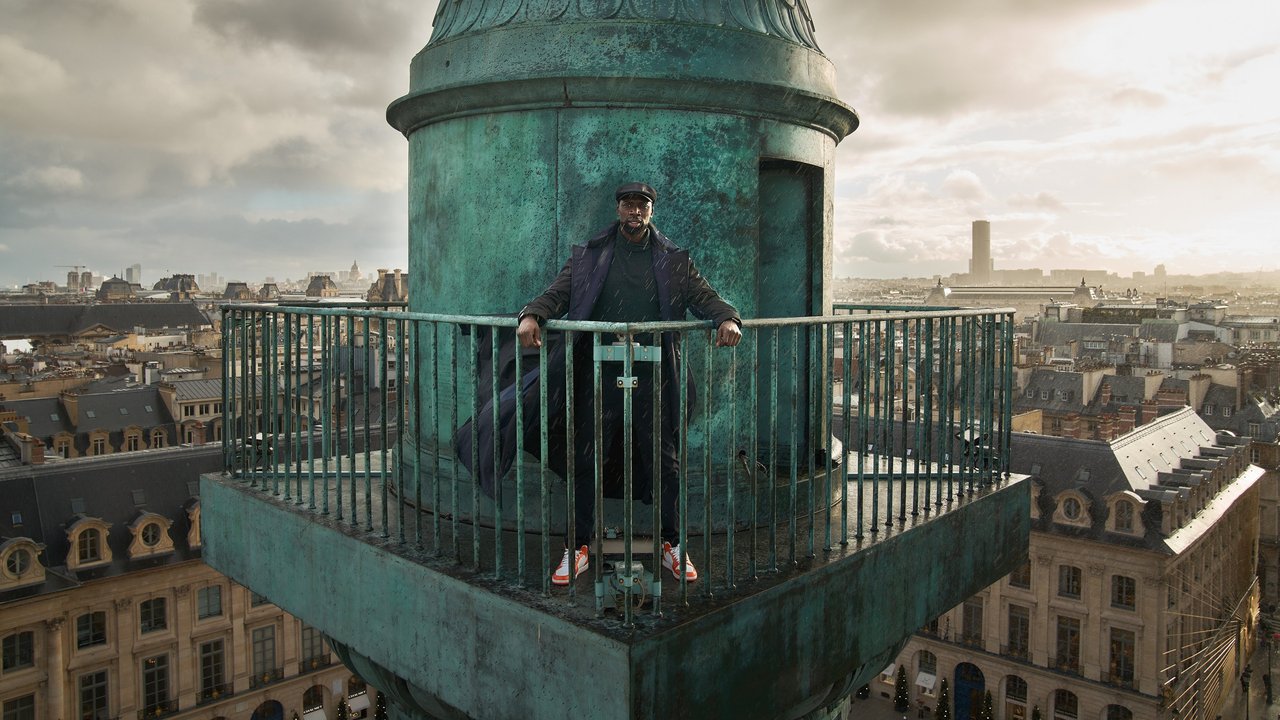
Omar Sy plays Assane Diop, the Senegalese-born son of a Parisian chauffeur who, twenty-five years after his father was framed for a theft by a wealthy industrialist family, sets out to avenge him — using the literary methods of Maurice Leblanc's gentleman thief Arsène Lupin as his template. Created by the British writer George Kay with the French screenwriter François Uzan, the show is a heist series, a Paris travelogue, and a story about race and class in contemporary France, all in compact ten-episode runs.
Lupin became, on its January 2021 launch, the most-watched non-English-language series in Netflix history, drawing more than 70 million households in its first month and turning Sy into a global star outside the Francophone world. The locations alone — the Louvre, the Arc de Triomphe, the Étretat cliffs of Leblanc's original stories — gave the show a postcard quality that travelled effortlessly. Three parts have aired, with a fourth in production. The most successful French television export ever made.
4. Spiral (2005)
Created by Alexandra Clert · France · 8 seasons · 86 episodes
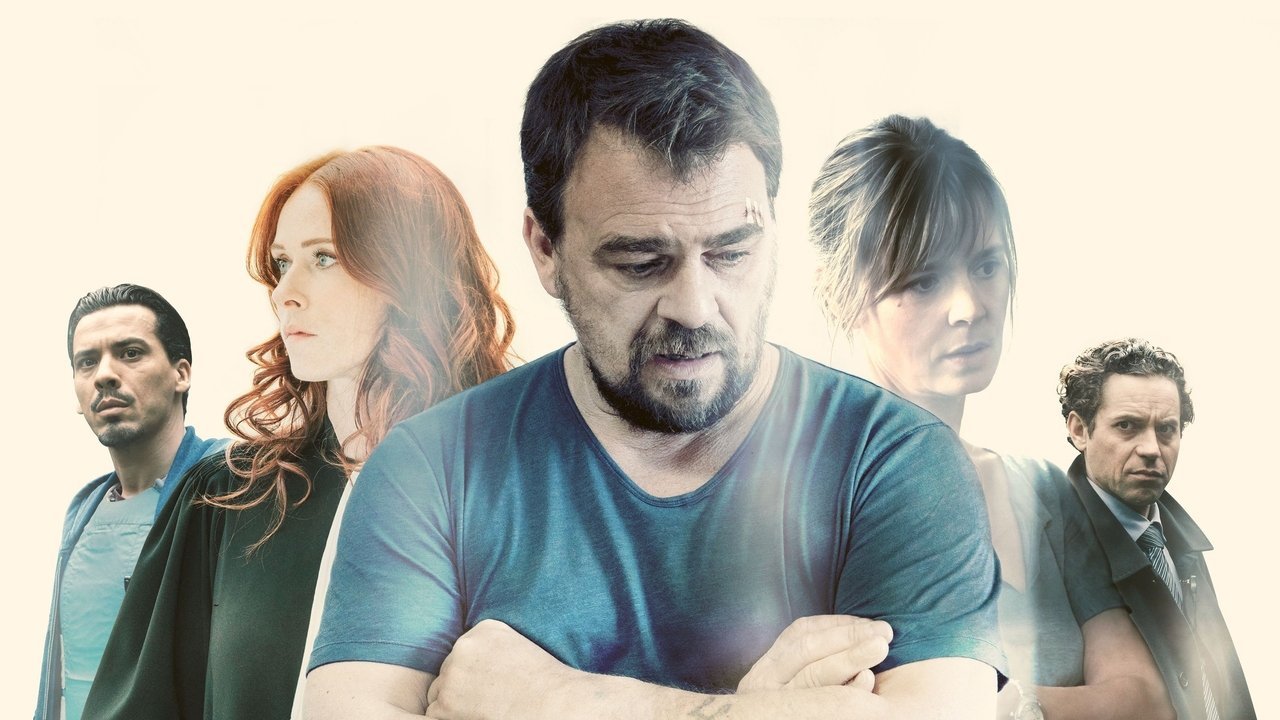
Known in French as Engrenages, this Canal+ procedural is the foundational work of the modern French television tradition. Alexandra Clert's series follows a Paris ensemble across the three sides of the judicial system: a homicide unit headed by Captain Laure Berthaud (Caroline Proust), an examining magistrate (Philippe Duclos), and a defence lawyer (Audrey Fleurot) who slides between her clients and the police she once worked alongside. Each season takes one major case and lets it ramify across all three institutions.
The series ran for fifteen years and eight seasons, ending in 2020 — an extraordinary feat of continuity for a European drama. Its influence on the French television that followed is impossible to overstate: half the writers currently working in French prestige drama came through Engrenages' writers' room, and the show's commitment to procedural specificity (real Paris courthouses, real police argot, real bureaucratic frustration) set the standard the Canal+ wave would inherit. On BBC Four it became the longest-running foreign-language drama the channel ever aired. The starting point for anyone serious about French TV.
5. The Returned (2012)
Created by Fabrice Gobert · France · 2 seasons · 16 episodes
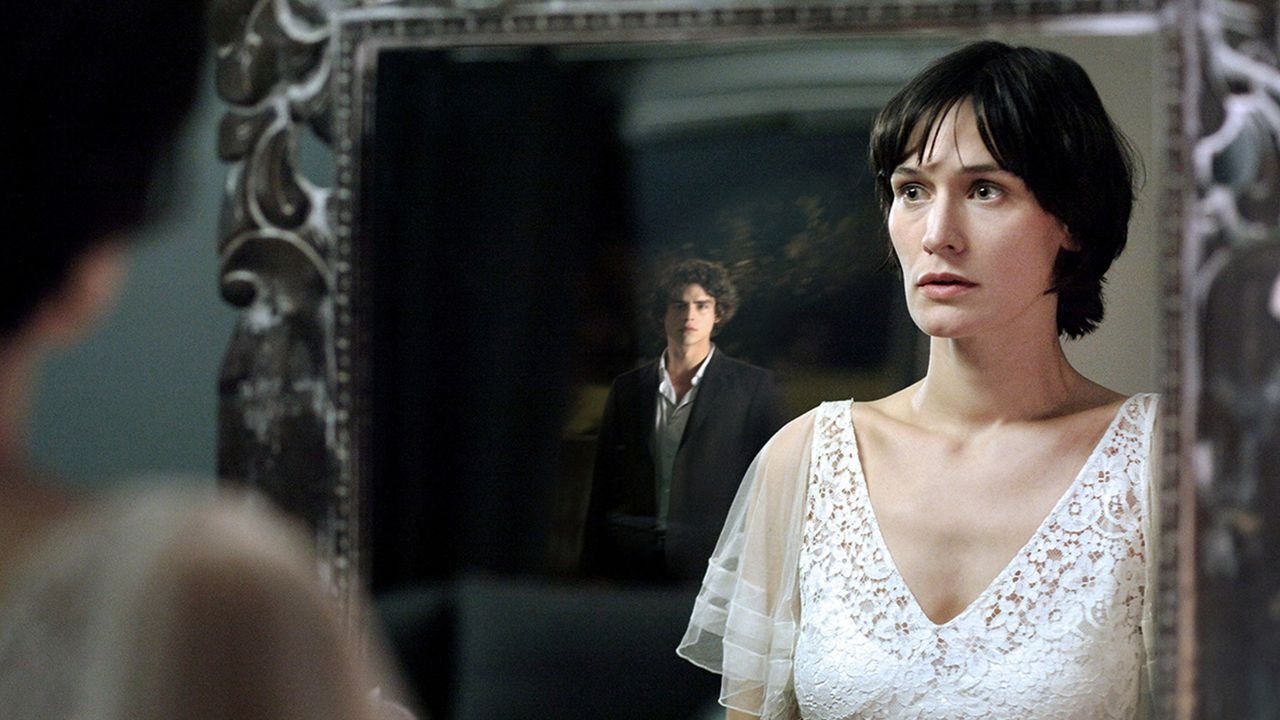
In a remote Alpine mountain town overlooked by a hydroelectric dam, several recently deceased residents return home — apparently unaware that they have died, apparently unchanged from the night they were last seen alive. Fabrice Gobert's Canal+ series, adapted from his own 2004 feature film Les Revenants, treats this premise with extraordinary restraint: less a horror show than a slow, melancholic study in grief, in what it would actually mean for a town to be visited by the people it had been mourning.
The cinematography by Patrick Blossier, the unsettling Mogwai score, and the performances (Anne Consigny, Clotilde Hesme, Frédéric Pierrot, Céline Sallette) anchor a show that became one of the most influential European productions of the early 2010s. It won the International Emmy for Best Drama Series in 2013 — the first French series to take the prize — and was widely cited as the catalyst that prompted American and British networks to start commissioning supernatural drama with the same patience and tonal control. An A&E remake followed but never approached the original's atmosphere. Two seasons, sixteen episodes, and one of the great mood pieces in European television.
6. Marie Antoinette (2022)
Created by Deborah Davis · France / UK · 2 seasons · 16 episodes
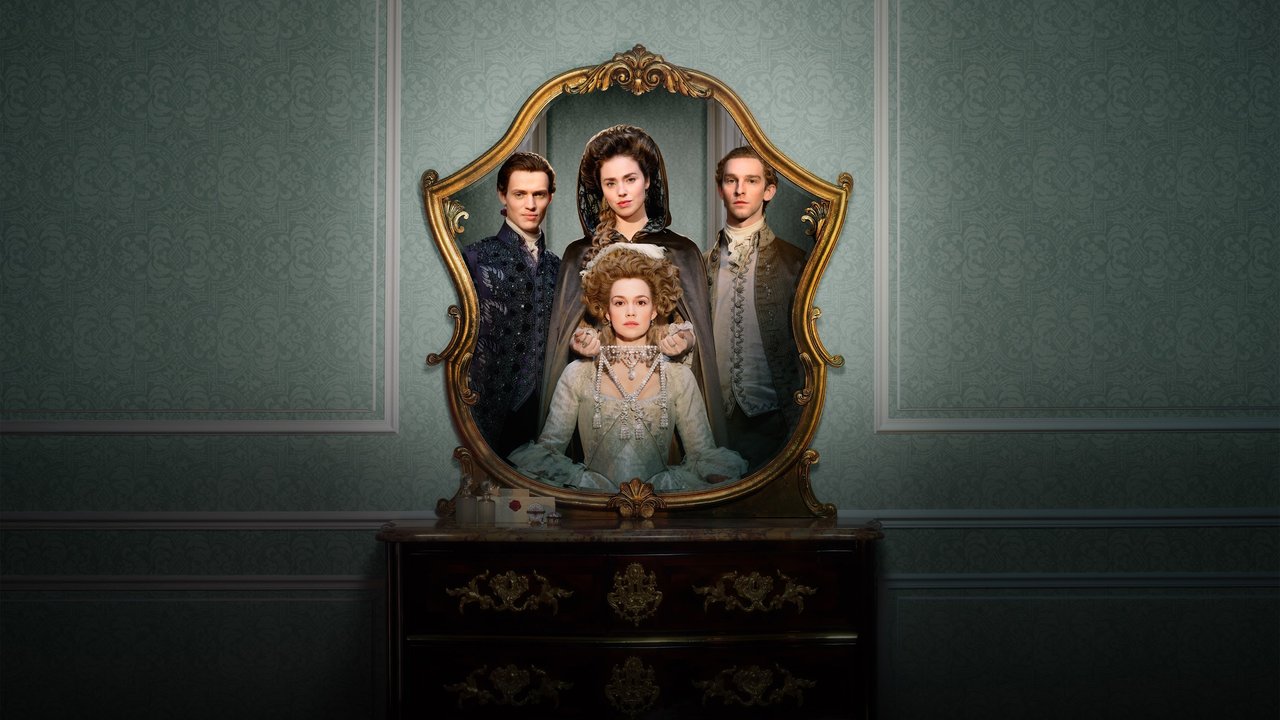
A Canal+/BBC co-production written by Deborah Davis (the screenwriter of The Favourite), this lavish period drama follows the Austrian archduchess Maria Antonia from her arrival at Versailles as a 14-year-old bride through her early years as a young queen navigating the court's coded cruelties. Emilia Schüle takes the title role, with Louis Cunningham as the awkward, scholarly Dauphin who would become Louis XVI.
The show's interest is less in the iconography of doomed monarchy than in the everyday machinery of an absolute court — the etiquette, the surveillance, the calculated humiliations through which a foreign queen could be isolated. Davis's writing brings the same arch, contemporary sensibility that animated The Favourite, and the locations (shot in the genuine royal palaces of Vaux-le-Vicomte and Versailles itself) give the production an authority no studio could replicate. Two seasons aired between 2022 and 2025, with the show now widely cited as one of the most accomplished European period dramas of the streaming era. A reminder that France can do prestige history with the best of them.
7. Drops of God (2023)
Created by Quoc Dang Tran · France / Japan · 1 season · 8 episodes
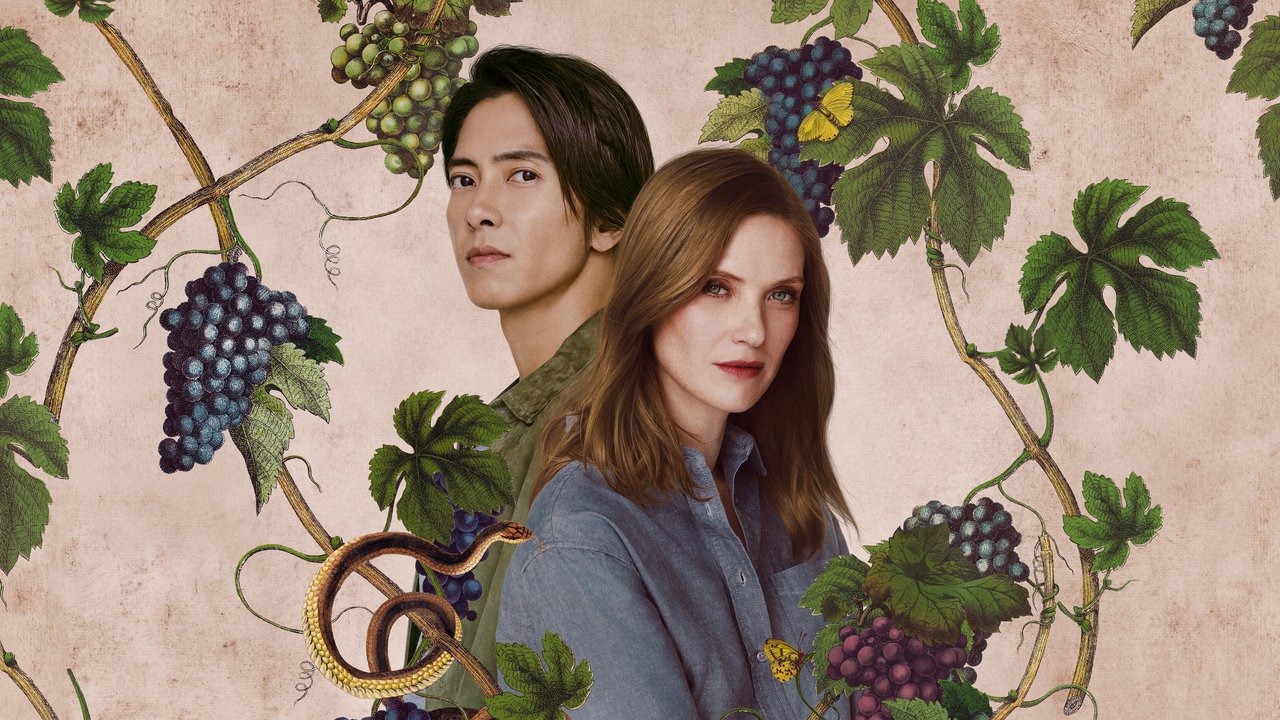
An Apple TV+ Franco-Japanese co-production adapted from the bestselling manga Kami no Shizuku. Camille Léger (Fleur Geffrier), a young French woman with no apparent palate, learns on the death of her estranged wine-collector father that his vast Tokyo cellar will pass to whichever of two heirs — herself or his Japanese protégé Issei Tomine (Tomohisa Yamashita) — wins a tasting competition spanning three rounds.
Created by the French screenwriter Quoc Dang Tran, the show moves between Tokyo and Burgundy with the same patient attention to its central craft that defines the best food television. The wine itself is treated with seriousness (a Bordeaux sommelier consulted on every scene) but the show's real subject is inheritance — what passes between fathers and children, what passes between cultures. The series won the International Emmy for Best Drama Series in 2024, making it the second French production to take the prize after The Returned. Among the most original European premieres of recent years.
8. ZeroZeroZero (2019)
Created by Stefano Sollima, Leonardo Fasoli, Mauricio Katz · Italy / France · 1 season · 8 episodes
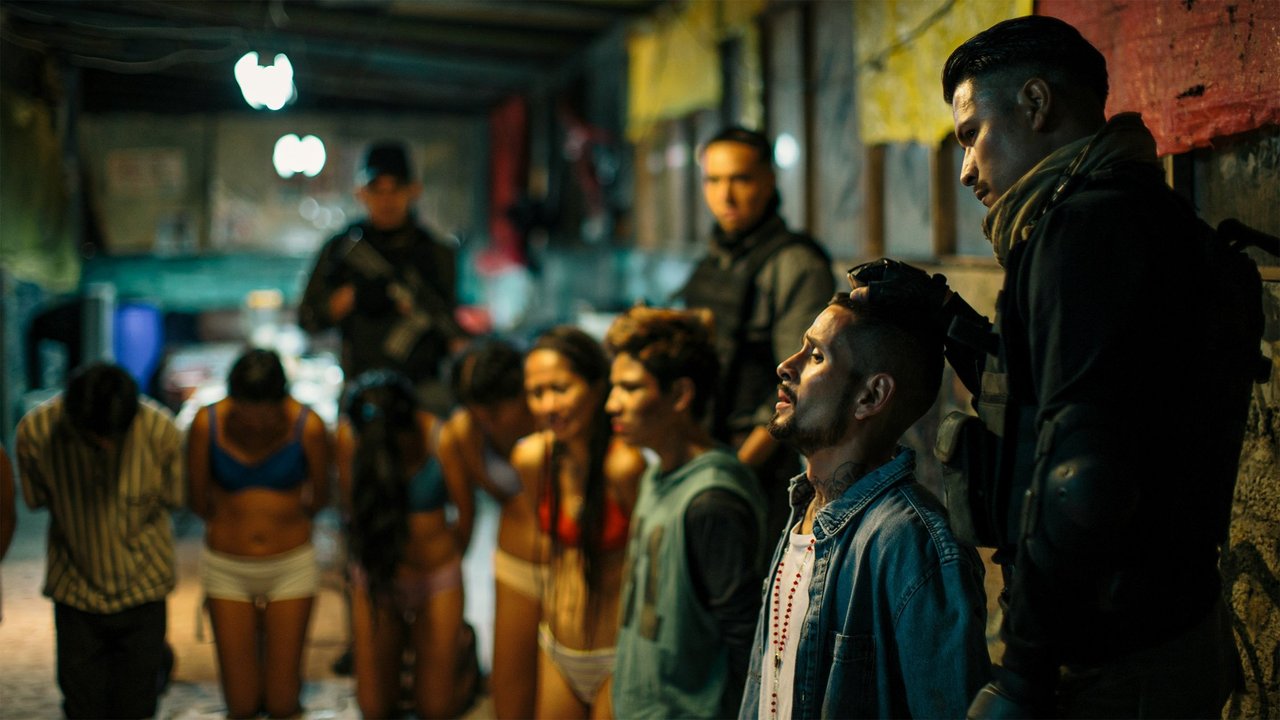
An Italian-led, French co-produced epic following a single five-tonne cocaine shipment across three continents — from the Mexican cartel that synthesises it, through the American broker family (Andrea Riseborough, Dane DeHaan, Gabriel Byrne) that arranges its transport, to the Calabrian 'Ndrangheta clans that have ordered it. Stefano Sollima, the director of Suburra and Sicario: Day of the Soldado, runs the project with cinematic ambition unusual for episodic television.
The show is a French co-production with Canal+ alongside Sky Italia and Amazon, with significant French capital and post-production work, and the French-language version was one of Canal+'s flagship premieres of 2020. Mogwai supplied an unsettling score that runs almost continuously beneath the action. Sollima's commitment to filming on actual locations — Calabrian fishing villages, Mexican deserts, Senegalese ports — gives the series a weight no green-screen production could match. A miniseries that argues, persuasively, that the cocaine economy is one of the central organising structures of the global present.
9. The Young Pope (2016)
Created by Paolo Sorrentino · Italy / France / Spain / UK · 1 season · 10 episodes
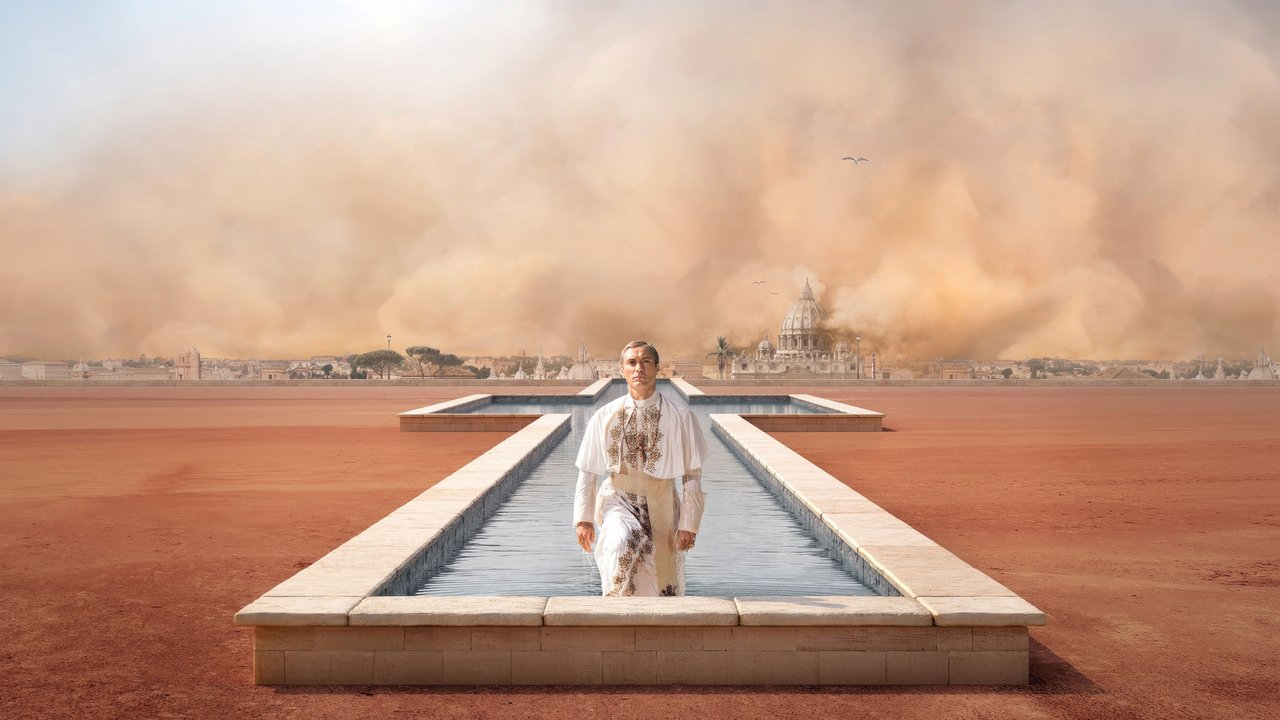
Paolo Sorrentino's Italian-led co-production, with significant French backing from Canal+ alongside Sky Italia and HBO, casts Jude Law as Lenny Belardo — Pius XIII, the first American pope, an obscure outsider candidate elected as a compromise after the cardinals' conclave deadlocks. Diane Keaton plays the American nun who raised him in a Brooklyn orphanage and who follows him to Rome as part of his personal staff.
The series is unmistakably Sorrentino: long Steadicam shots through Vatican corridors, an opening-credits sequence that became a meme but doubled as a serious essay on the iconography of papacy, and a score that runs from Jimi Hendrix to LMFAO. Across ten episodes Sorrentino uses the Vatican as a setting through which to ask the most basic theological questions — what faith is, what authority is, what mercy is — while the supporting cast (Silvio Orlando as the labyrinthine Cardinal Voiello, James Cromwell, Cécile de France) builds one of the strangest ensembles in prestige television. A French co-production in the technical sense; an Italian masterpiece in every other.
10. Machine (2024)
Created by Fred Grivois, Thomas Bidegain · France · 1 season · 6 episodes
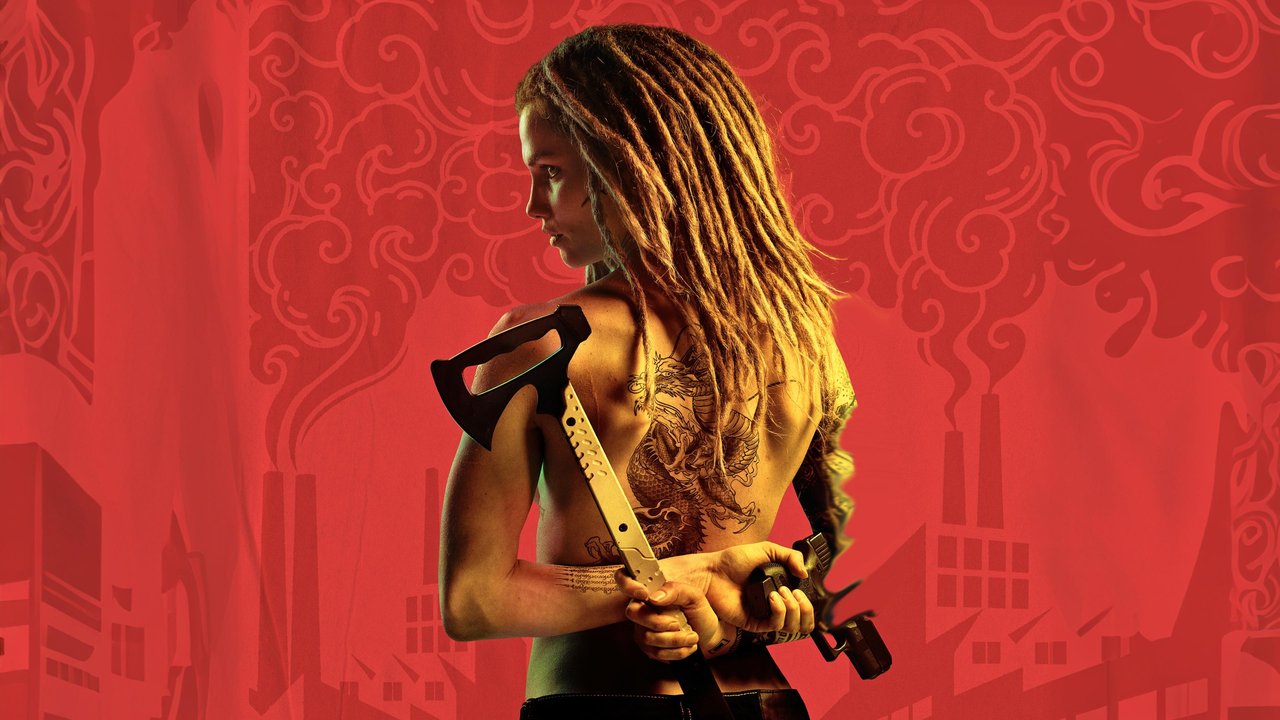
A young woman with a slight frame and a black hoodie steps off a train at a small provincial station in eastern France and walks into the local industrial estate looking for work on the factory floor. She is hired. She also happens to be a former special-forces operative trained in close-quarters combat. As tensions inside the factory escalate, Machine (Margot Bancilhon) finds herself drawn into a confrontation between the union, the management, and forces from her own past.
Created for Arte by the screenwriter Thomas Bidegain (long-time collaborator of Jacques Audiard, co-writer of A Prophet and Rust and Bone) and the director Fred Grivois, Machine is one of the most original recent French series — a martial-arts action show with a serious political reading of the French industrial decline of the past two decades. The fight choreography is the equal of any contemporary Hong Kong or Korean production; the politics are unmistakably French. Bancilhon's central performance carries it. Six episodes, self-contained, and a sign of how confident the French auteur-led series tradition has become.
The French Tradition
What is striking, looking at these ten series together, is how recent the French prestige tradition is. Engrenages began in 2005 but the rest of this list belongs to the past fifteen years — and the majority to the past decade. The infrastructure that produces them (Canal+'s commissioning model, the Arte-ZDF co-production pipeline, the streaming-era international partnerships with the BBC, Apple, Netflix, and Sky) has only just settled into place. The result is a national television culture finally producing work at the scale and ambition of its cinema.
The other through-line is the continuing weight of Paris as a setting. The Bureau, Call My Agent, Lupin, and Spiral are all unmistakably Parisian — each one of them a different portrait of the same city, from intelligence headquarters to talent-agency corridors to magistrates' chambers. French television, like French cinema, has always been organised around the capital; the present generation has used that concentration to produce a body of work that feels of a piece in a way few national television cultures manage.
Where to Start
If you're new to French television, The Bureau is the most ambitious entry point and the one most likely to convert sceptics. Call My Agent is the most enjoyable if you want lighter watching; Lupin is the most accessible recent breakout. For something stranger and more atmospheric, The Returned remains unmatched, and for the most original recent release, Machine is the natural choice.
If you enjoyed this list, explore our companion guides — our 10 Must-Watch French Films, our 10 Must-Watch French Crime Films, and our 10 Must-Watch European Crime Series.