
Film
Pusher
Frank is a small-time Copenhagen heroin dealer working the city alongside his loud, tattooed sidekick Tonny. When a bigger-than-usual deal arrives — a chance to clear his ledger with his Serbian supplier Milo — Frank takes it. The buy goes badly wrong, the heroin disappears, and Frank is suddenly a week away from paying back a debt he doesn't have. What follows is seven days on the streets of Copenhagen with the clock ticking.
About
Nicolas Winding Refn was twenty-four when Pusher opened in Copenhagen in August 1996, shooting his debut on handheld 16mm in the neighbourhoods around Vesterbro. The film became the foundational text of Danish gritty-realist crime cinema and the first part of what would, almost a decade later, expand into a trilogy — Pusher II in 2004 and Pusher III in 2005, each centred on a different secondary character from the original.
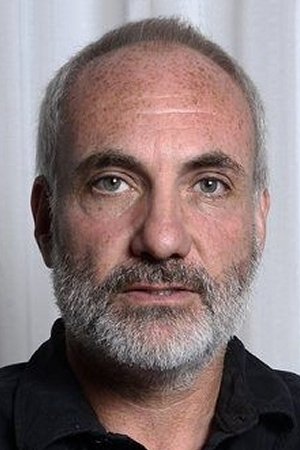
Frank, a small-time heroin dealer played by Kim Bodnia, takes a deal that promises to clear his account with his Serbian supplier Milo (Zlatko Burić, all menace wrapped in gentle hospitality). The buy collapses, the drugs vanish, and Frank has a week to find the money. Refn keeps the camera locked to Frank for the full seven days, shooting in long handheld takes that follow him in and out of cars, kitchens and back rooms. The film is also the screen debut of Mads Mikkelsen, six years before Open Hearts and the international career that followed — his Tonny, head tattooed with the word RESPECT, is already a complete creation. Laura Drasbæk's Vic and Slavko Labović's enforcer Radovan round out an ensemble of faces that became fixtures of Danish screen culture.
Burić took the Bodil Award for Best Supporting Actor in 1997 and the film built a steady cult through the late nineties before its reputation widened with the trilogy. Refn would go on to Bronson, Drive and The Neon Demon, each further from Pusher's grain-and-fluorescent register, but the line back is direct. Its influence on the Forbrydelsen-and-Borgen generation of Danish crime television, and on the wider Nordic noir wave, is now part of the standard account of how that current began.
Where to Watch
Not currently available in your country.
Available in: , , , , , , , , , , , , ,





























Streaming availability via JustWatch. Last checked 2026-09-13.
Top Cast
Kim Bodnia
Frank

Zlatko Burić
Milo

Laura Drasbæk
Vic

Mads Mikkelsen
Tonny

Slavko Labović
Radovan
Awards, Festivals & Mentions
-

Winner — Bodil Award Best Supporting Actor (Zlatko Burić, 1997)


