
Film★ Editor's Pick
Umberto D.
Umberto Domenico Ferrari, a retired civil servant living on a meager pension, struggles to pay his rent in postwar Rome while the world around him remains indifferent to his plight. His only companions are his devoted dog Flike and a young housemaid, and he is forced to ever more desperate measures to survive. One of the pinnacles of Italian neorealism, the film is a profoundly humane and quietly devastating study of loneliness, poverty, and the bond between a man and his dog.
About
Vittorio De Sica's Umberto D. opened in 1952, the third of his masterpieces with screenwriter Cesare Zavattini after Shoeshine and Bicycle Thieves. The film was a critical success but a commercial failure; Italian Prime Minister Giulio Andreotti famously denounced it for showing the country in an unflattering light, and the political pressure on Italian neorealism began to push the movement toward its end. Umberto D. sits permanently in the upper tier of every Sight & Sound poll and is widely considered the most emotionally exact of the De Sica-Zavattini collaborations.
Umberto Domenico Ferrari (Carlo Battisti, an actual retired professor of linguistics in his only film role) is an elderly civil servant in Rome attempting to live on a state pension that no longer covers his rent. His landlady is preparing to evict him; his only meaningful relationships are with his small dog Flike and the young pregnant maid Maria (Maria Pia Casilio). The film follows him over a small handful of days, on the brink of a decision he cannot finally make. The sequences in which Maria prepares to face her own crisis, and Umberto's attempt to find a home for Flike before the worst, are among the most patient and unsentimental observations of poverty in cinema.
De Sica's commitment to an ordinary protagonist (to refusing every dramatic crescendo, every musical cue, every redeeming twist) became a formal model for the post-Italian-neorealist tradition that runs through Pasolini, the Iranian New Wave, and recent socially attentive cinema like the Dardennes brothers'.
Why it's an Editor's Pick: The most quietly devastating of the neorealist masterpieces. Ozu admired it; few films honour a small life with comparable seriousness.
Where to Watch
Not currently available in your country.
Available in: , , , , , ,

















Streaming availability via JustWatch. Last checked 2026-10-11.
Top Cast
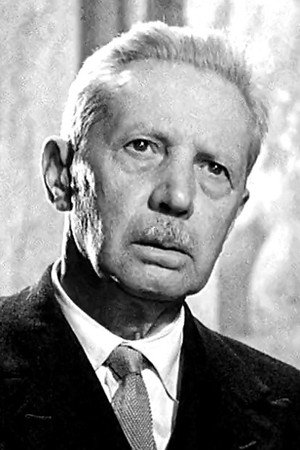
Carlo Battisti
Umberto Domenico Ferrari
Napoleone the Dog
Flike

Maria Pia Casilio
Maria
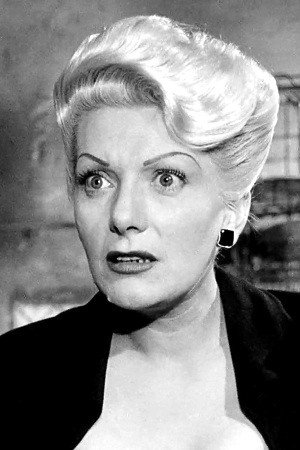
Lina Gennari
Antonia Belloni
Elena Rea
The Nun at the Hospital
Awards, Festivals & Mentions
-

Winner — New York Film Critics Circle Award for Best Foreign Language Film
-

Nominee — Academy Award Best Story


